

- M.B.B.S.
- M.S. Orthopaedics
- Fellow in Knee and Hip Replacement, Mumbai
- Fellow In Knee and Hip Surgery, Germany
- Fellow in Knee and Hip Surgery, NHS, Singapore
- Fellowship in Complex and revesion knee and Hip replacement, London, Lancaster, UK
Minimally Invasive Hip Surgery In Adilabad
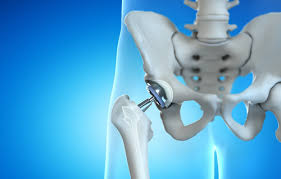
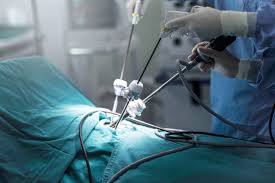
The primary objective of minimally invasive hip procedures is to restore joint alignment while maintaining structural stability. Therefore, surgeons aim to address damaged joint surfaces without unnecessary disturbance to healthy tissues. This approach supports accurate correction while respecting the body’s natural mechanics.
Moreover, surgical goals extend beyond immediate correction. Long-term joint performance, load distribution, and movement efficiency are carefully considered during planning. Consequently, treatment decisions are based on detailed anatomical assessment rather than symptom relief alone. This goal-oriented approach ensures that surgical intervention supports sustainable joint function rather than short-term improvement.
Who is evaluated for minimally invasive hip surgery
Patients with persistent hip joint issues may be evaluated through clinical assessment. Suitability depends on joint condition and overall health rather than symptoms alone.
How is surgical accuracy maintained
Accuracy is maintained through planning, technology, and standardized protocols. Experienced surgical teams follow defined clinical pathways.
Does minimally invasive surgery compromise joint stability
Joint stability depends on precise alignment and execution. Minimally invasive techniques focus on maintaining anatomical balance.
Why is clinical oversight important
Clinical oversight ensures safety, ethical practice, and consistency. It supports reliable outcomes through structured quality control.
How can patients support long-term hip health
Patients are guided on posture, activity balance, and follow-up care. These measures support joint durability and confidence.