
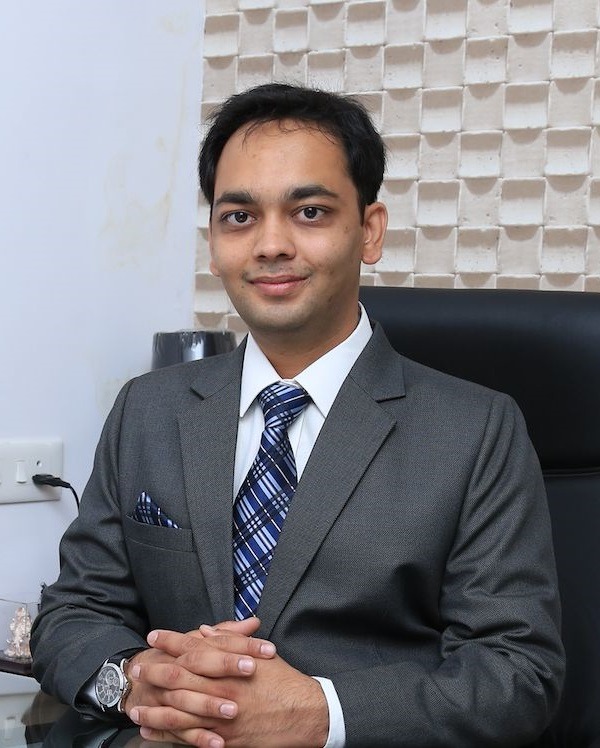
- M.B.B.S.
- M.S. Orthopaedics
- Fellow in Knee and Hip Replacement, Mumbai
- Fellow In Knee and Hip Surgery, Germany
- Fellow in Knee and Hip Surgery, NHS, Singapore
- Fellowship in Complex and revesion knee and Hip replacement, London, Lancaster, UK
ACL Ligament Surgery in Bhandara
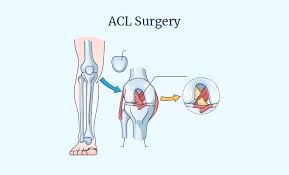
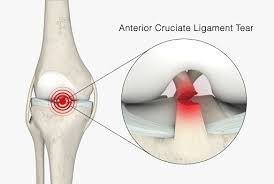
Accurate diagnosis is the first step toward successful ACL treatment. At Varunam hospital, Bhandara, patients undergo detailed clinical examination, X-rays, and MRI scans to assess ligament damage and associated injuries. Moreover, Dr. Utsav Agrawal provides professional oversight in interpreting imaging results and formulating individualized treatment plans. Therefore, patients receive precise evaluation that guides surgical and non-surgical decisions. As a result, optimal care is ensured for each patient.
ACL reconstruction surgery involves replacing the torn ligament with a graft, which can be autograft (from the patient) or allograft (donor tissue). Modern surgical techniques use minimally invasive arthroscopic approaches, which reduce tissue damage and facilitate faster recovery. Moreover, precise graft placement ensures restored knee stability and natural joint movement. Therefore, patients experience reduced post-operative pain and quicker return to daily activities. Dr. Utsav Agrawal oversees surgical planning and ensures adherence to international clinical standards at Varunam hospital, Bhandara.
Rehabilitation is a critical component of ACL recovery. Early physiotherapy focuses on restoring range of motion, reducing swelling, and strengthening surrounding muscles. Therefore, patients are encouraged to follow structured exercise programs closely. In addition, progressive weight-bearing exercises improve joint stability and functional recovery. As a result, patients regain confidence in walking, running, and other physical activities. Close monitoring at Varunam hospital, Bhandara ensures rehabilitation progresses safely and effectively.
After ACL reconstruction, maintaining joint health is crucial. Patients are advised to avoid high-risk movements initially and follow ongoing physiotherapy programs. Moreover, maintaining a healthy weight and regular low-impact exercise supports long-term knee function. Therefore, patients under Dr. Utsav Agrawal’s guidance at Varunam hospital, Bhandara receive structured advice for injury prevention. As a result, long-term stability and joint health are preserved, ensuring lasting mobility and safety.
Patients in Bhandara prefer Varunam hospital, Bhandara for its advanced orthopedic facilities, experienced surgical teams, and structured rehabilitation programs. The hospital follows standardized protocols for patient safety and post-surgical care. Moreover, Dr. Utsav Agrawal provides professional oversight in surgical planning and clinical governance. Therefore, patients receive reliable, ethical, and effective orthopedic care. As a result, outcomes remain consistent, safe, and successful.
1. When is ACL reconstruction necessary?
Surgery is recommended for patients with persistent knee instability, high activity demands, or secondary joint injuries.
2. How long is recovery after ACL surgery?
Most patients regain daily mobility within weeks, while full return to sports may take 6–9 months.
3. Is ACL surgery safe for adults of all ages?
Yes, with proper preoperative assessment, ACL reconstruction is safe for most adult patients.
4. Is physiotherapy mandatory after ACL reconstruction?
Yes, physiotherapy is essential for restoring knee strength, range of motion, and stability.
5. Can ACL surgery prevent future knee arthritis?
While surgery restores stability and reduces secondary injuries, maintaining joint health is essential to minimize arthritis risk.