Varunam Super Speciality Hospital

Specialist Orthopaedic and Hip Replacement Surgeon

Best h replacement surgeon in nagpur

Chief Knee and Hip Replacement, Complex Trauma Surgeon

Experience : 15 years / 15000+ Successfully Surgery completed
Edit Template
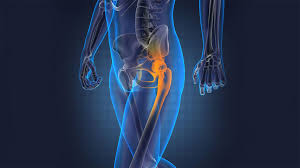
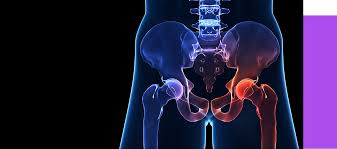
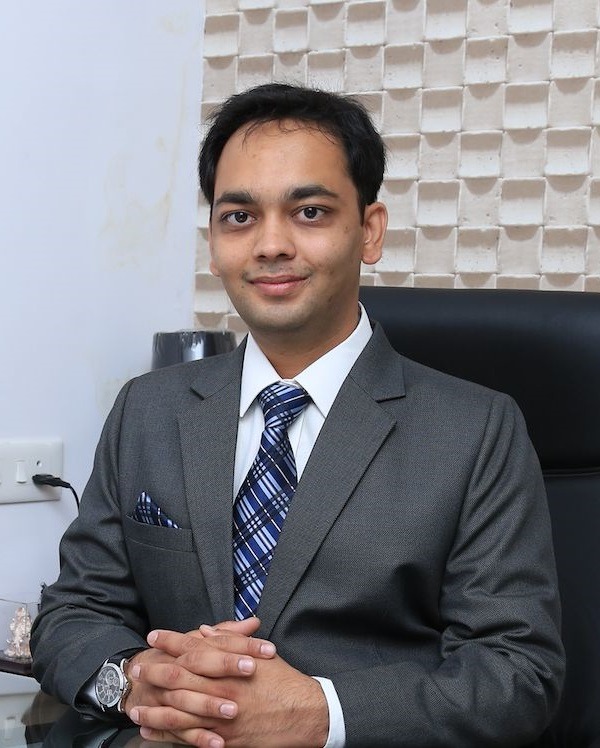
Avascular necrosis (AVN) is a condition that occurs when blood supply to a bone is disrupted, leading to bone tissue death. It commonly affects the hip, though other joints may also be involved. If left untreated, AVN can result in joint collapse, severe pain, and loss of mobility. AVN treatment in Harda provides patients with access to advanced diagnostic tools, surgical interventions, and personalised rehabilitation programs. At Varunam Super Speciality Hospital, Dr. Utsav Agrawal offers comprehensive AVN management, combining modern techniques with patient-focused care to restore joint function and improve quality of life.
AVN treatment Harda
AVN occurs when blood flow to the bone is restricted, which can result from trauma, long-term steroid use, excessive alcohol consumption, or certain medical conditions. Patients often experience pain, stiffness, and difficulty in moving the affected joint. Early diagnosis is critical because timely treatment can prevent joint collapse and reduce the need for major surgery. Dr. Utsav Agrawal evaluates each patient thoroughly to determine the severity of AVN and the most effective treatment plan.
Timely AVN treatment offers several advantages. Firstly, it relieves pain and discomfort, allowing patients to regain mobility. Secondly, early interventions prevent further deterioration of the affected joint, reducing the likelihood of complex surgeries. Thirdly, advanced surgical procedures, including core decompression, bone grafting, or joint replacement, restore joint function with precision. Additionally, personalised physiotherapy and rehabilitation help patients regain strength and flexibility. Overall, AVN treatment in Harda ensures long-term joint stability and improved quality of life.
Eligibility for AVN treatment depends on the stage of the condition and the patient’s overall health. Early-stage AVN may respond to non-surgical treatments, while advanced stages often require surgical intervention. At Varunam Super Speciality Hospital, patients undergo comprehensive medical evaluation, imaging studies, and blood tests to determine suitability for treatment. Hospital coordinators assist with documentation, approvals, and insurance verification, making the process seamless for patients seeking AVN treatment in Harda.

Accurate diagnosis is crucial for effective AVN treatment. Patients undergo a thorough clinical evaluation, including physical examination, X-rays, MRI scans, and other imaging techniques. These assessments help determine the stage of AVN, identify the affected bone, and guide treatment planning. Dr. Utsav Agrawal reviews all findings to develop a personalised care plan. Patients are informed about treatment options, recovery timelines, and post-operative care to enhance confidence and preparedness.

In the early stages of AVN, non-surgical interventions may help manage symptoms and slow disease progression. These include medications to improve blood flow and reduce pain, activity modifications to minimize joint stress, and physiotherapy to strengthen surrounding muscles. Additionally, patients are advised to maintain a healthy lifestyle, avoid alcohol and smoking, and follow a balanced diet. These measures support overall joint health and may delay the need for surgical intervention.

Advanced AVN often requires surgical intervention to restore joint function. Surgical procedures may include core decompression to relieve pressure, bone grafting to support the affected bone, or total joint replacement in cases of severe joint collapse. Minimally invasive techniques are employed whenever possible to reduce tissue damage and accelerate recovery. Dr. Utsav Agrawal performs all procedures with precision, ensuring accurate implant placement, joint alignment, and long-term stability. These surgical approaches significantly reduce pain and improve mobility.

Structured post-operative care is essential for successful AVN treatment. Patients begin gentle exercises soon after surgery and gradually progress to walking, strengthening exercises, and physiotherapy programs. Varunam Super Speciality Hospital provides personalised rehabilitation plans, continuous monitoring, and guidance to ensure safe and effective recovery. Patients are also educated on activity modifications, home exercises, and long-term joint care. This approach minimizes complications and ensures sustainable improvements in mobility and joint function.

Maintaining joint health after AVN treatment is crucial. Patients should follow physiotherapy routines consistently, perform low-impact exercises to strengthen muscles, maintain a healthy weight to reduce stress on the joint, and attend regular follow-ups with Dr. Utsav Agrawal. Avoiding high-impact activities until cleared by the doctor protects the joint and ensures smooth recovery. These measures support long-term joint function, improved mobility, and sustained quality of life.

Varunam Super Speciality Hospital combines advanced diagnostic tools, expert surgical care, and personalised rehabilitation programs for AVN treatment in Harda. Under Dr. Utsav Agrawal’s supervision, patients benefit from precise pre-operative planning, minimally invasive surgery, and structured recovery programs. Ethical practice, patient comfort, and long-term joint mobility are prioritized, making the hospital an ideal choice for effective, safe, and affordable AVN treatment. Patients experience reduced pain, faster recovery, and restored independence.

Q1. Who performs AVN treatment at Varunam Super Speciality Hospital?
Dr. Utsav Agrawal supervises and performs all AVN treatments, ensuring expert care and precision.

Q2. What are the common causes of AVN?
AVN can occur due to trauma, long-term steroid use, excessive alcohol, or medical conditions affecting blood supply to the bone.

Q3. Is AVN treatment covered under government schemes or insurance?
Eligible patients may receive cashless or subsidised treatment, including surgical care, hospital stay, implants, and post-operative rehabilitation.

Q4. How long is recovery after AVN surgery?
Recovery depends on the stage of AVN and type of surgery, but structured rehabilitation usually enables patients to regain mobility within weeks.

Q5. Can early-stage AVN be treated without surgery?
Yes, early-stage AVN may respond to medications, physiotherapy, and lifestyle modifications, potentially delaying the need for surgery.