
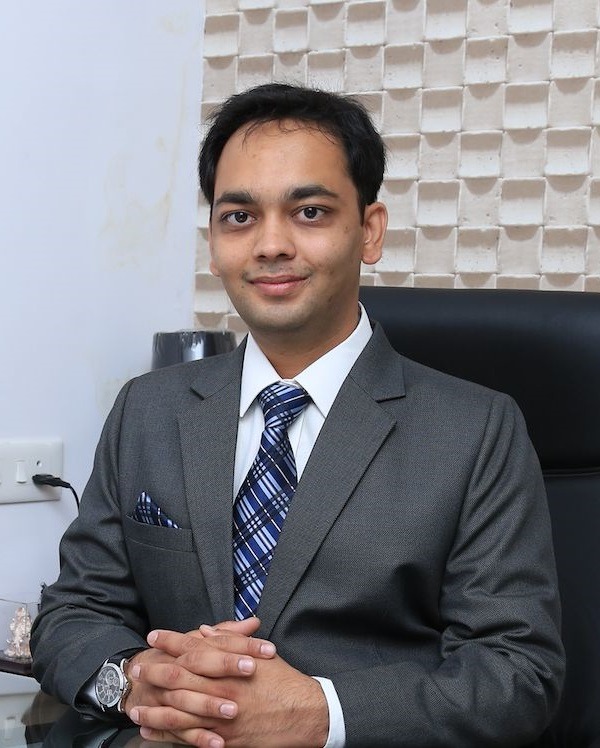
- M.B.B.S.
- M.S. Orthopaedics
- Fellow in Knee and Hip Replacement, Mumbai
- Fellow In Knee and Hip Surgery, Germany
- Fellow in Knee and Hip Surgery, NHS, Singapore
- Fellowship in Complex and revesion knee and Hip replacement, London, Lancaster, UK
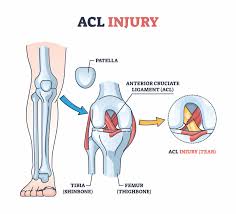
Eligibility for ACL treatment depends on the severity of the injury, the patient’s activity level, and overall health. Non-surgical treatment may be suitable for partial tears or less active patients, while complete ACL tears often require surgical reconstruction. At Varunam Super Speciality Hospital, patients undergo a detailed medical assessment, including imaging studies and physical evaluation, to determine the best course of action. Hospital coordinators assist with documentation, insurance approvals, and scheduling, ensuring a smooth process for patients seeking ACL ligament treatment in Harda.
Accurate diagnosis is essential for effective ACL management. Patients undergo a comprehensive clinical evaluation, including physical examination, stability tests, X-rays, and MRI scans. These assessments help determine the type and extent of the injury and guide the treatment plan. Dr. Utsav Agrawal reviews all findings to develop a personalised care strategy. Patients are educated about the treatment options, expected recovery timelines, and post-treatment care, enhancing confidence and adherence to the plan.
In certain cases, non-surgical treatment may effectively manage ACL injuries. These options include physical therapy to strengthen muscles around the knee, activity modification to prevent strain, and braces or supports to stabilize the joint. Pain management techniques, such as medications or injections, may also be employed. Non-surgical management is typically recommended for partial tears, patients with lower activity demands, or those who are not ideal candidates for surgery.
Structured rehabilitation is critical for successful ACL treatment. Patients begin gentle exercises soon after surgery or injury and gradually progress to strength training, balance exercises, and functional movement drills. Physiotherapy focuses on restoring range of motion, strengthening surrounding muscles, and improving overall knee stability. At Varunam Super Speciality Hospital, patients receive personalised rehabilitation plans, continuous monitoring, and guidance to ensure safe recovery. Following these protocols significantly reduces complications and enhances long-term outcomes.
Varunam Super Speciality Hospital combines advanced surgical techniques, expert care, and personalised rehabilitation programs for ACL ligament treatment in Harda. Under Dr. Utsav Agrawal’s supervision, patients benefit from precise diagnosis, minimally invasive surgery, and structured recovery programs. Ethical practice, patient comfort, and long-term knee stability are prioritized, making the hospital an ideal choice for effective, safe, and reliable ACL treatment. Patients experience reduced pain, faster recovery, and restored knee function without unnecessary delays.
Q1. Who performs ACL ligament surgeries at Varunam Super Speciality Hospital?
Dr. Utsav Agrawal performs all ACL treatments and surgeries, ensuring precise and expert care.
Q2. Which patients require ACL reconstruction surgery?
Patients with complete ACL tears, knee instability, or those wishing to resume active sports or physically demanding activities are recommended for surgery.
Q3. Can ACL injuries be treated without surgery?
Yes, partial ACL tears or patients with lower activity demands may benefit from physiotherapy, activity modification, and bracing.
Q4. How long does recovery take after ACL surgery?
Recovery varies depending on injury severity and adherence to rehabilitation, but structured physiotherapy usually allows safe return to daily activities and sports within 6–9 months.
Q5. What are the long-term benefits of ACL treatment?
Proper ACL treatment restores knee stability, prevents recurrent injuries, reduces pain, and supports long-term mobility and joint health.