

- M.B.B.S.
- M.S. Orthopaedics
- Fellow in Knee and Hip Replacement, Mumbai
- Fellow In Knee and Hip Surgery, Germany
- Fellow in Knee and Hip Surgery, NHS, Singapore
- Fellowship in Complex and revesion knee and Hip replacement, London, Lancaster, UK
AVN Treatment Bhandara
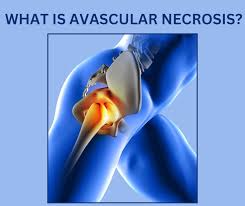
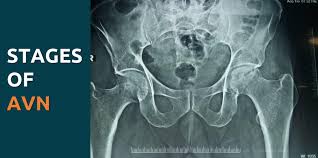
Accurate diagnosis is the foundation of effective AVN treatment. At Varunam hospital, Bhandara, patients undergo clinical examination, X-rays, MRI scans, and sometimes CT scans to assess bone and joint integrity. MRI is particularly useful for detecting early-stage AVN before bone collapse occurs. Dr. Utsav Agrawal provides professional oversight in interpreting results and formulating individualized treatment plans. Therefore, patients receive precise diagnosis and targeted care.
When AVN progresses and joint collapse occurs, surgical intervention may become necessary. Options include core decompression to relieve pressure and restore blood flow, bone grafting, or partial/total joint replacement. At Varunam hospital, Bhandara, these procedures are performed with modern techniques to ensure precision and safety. Dr. Utsav Agrawal leads the surgical planning and oversees clinical protocols. As a result, patients achieve better joint function and reduced pain after surgery.
Rehabilitation plays a crucial role in restoring mobility and joint strength after AVN treatment. Early post-surgical physiotherapy helps reduce stiffness, improve range of motion, and build muscle around the affected joint. Therefore, patients are encouraged to follow structured exercise programs tailored to their condition. At Varunam hospital, Bhandara, rehabilitation is monitored closely to ensure steady and safe progress. As a result, patients regain functional independence faster.
Patients in Bhandara trust Varunam hospital, Bhandara for its advanced orthopedic facilities, structured treatment protocols, and patient-centered care. The hospital ensures high standards of safety during both non-surgical and surgical interventions. Dr. Utsav Agrawal provides clinical leadership and oversight, ensuring treatment is ethical, effective, and tailored to each patient. Therefore, patients experience reliable care and improved long-term outcomes.
1. What is AVN, and which joints are commonly affected?
AVN is bone tissue death due to reduced blood supply, commonly affecting the hip, knee, and shoulder.
2. Can early AVN be treated without surgery?
Yes, medications, physiotherapy, and lifestyle modifications may help slow progression in early-stage AVN.
3. How is AVN diagnosed?
Diagnosis includes clinical examination, X-rays, MRI scans, and sometimes CT scans to assess joint damage.
4. Is surgery safe for AVN patients?
Yes, modern surgical techniques at Varunam hospital, Bhandara, under Dr. Utsav Agrawal’s guidance, ensure safe and effective outcomes.
5. How long is recovery after AVN surgery?
Recovery varies, but structured rehabilitation helps restore joint function and mobility within weeks to months.