
Specialist Orthopaedic and Hip Replacement Surgeon
Chief Knee and Hip Replacement, Complex Trauma Surgeon
- M.B.B.S.
- M.S. Orthopaedics
- Fellow in Knee and Hip Replacement, Mumbai
- Fellow In Knee and Hip Surgery, Germany
- Fellow in Knee and Hip Surgery, NHS, Singapore
- Fellowship in Complex and revesion knee and Hip replacement, London, Lancaster, UK
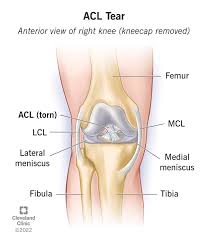
ACL injuries vary in severity, and treatment depends on the extent of damage and lifestyle needs. Patients who may require ACL treatment include those with:
- Complete ACL tears resulting in functional instability
- Athletes or active individuals seeking full functional recovery
- Associated injuries such as meniscus tears or cartilage damage
- Persistent pain and knee “giving way” despite conservative management
Early evaluation helps determine the best treatment approach. Dr. Utsav Agrawal conducts a thorough clinical assessment and imaging review to decide whether non-surgical care or ACL reconstruction surgery is the best option for each patient.
ACL treatment options span non-surgical and surgical pathways, depending on injury severity and patient goals:
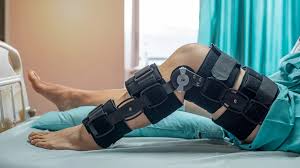
- Conservative therapy including physiotherapy, bracing, and activity modification for mild partial tears
- Arthroscopic ACL reconstruction using high-quality grafts for complete tears
- Combined repair techniques when other structures like menisci are involved
- Revision surgery for failed previous ACL repairs
Each treatment plan is tailored to the patient’s age, activity level, and lifestyle goals to maximise recovery.
Varunam Super Speciality Hospital provides advanced facilities to support ACL treatment, including:
- State-of-the-art imaging for accurate diagnosis (X-ray, MRI)
- Arthroscopic surgical systems for minimally invasive repair
- High-quality graft and fixation materials
- Dedicated physiotherapy and rehabilitation units
These facilities allow patients in Jabalpur to access comprehensive knee care without compromising quality, safety, or outcomes.
- Smaller incisions with reduced tissue trauma
- Faster postoperative recovery and less pain
- Short hospital stay with early mobilisation
- Lower risk of infection and complications
Minimally invasive arthroscopic procedures enable patients to achieve quicker and more comfortable recovery while maintaining high surgical standards.
Maintaining knee health after ACL treatment requires consistent care and awareness. Patients are advised to:
- Follow physiotherapy and strengthening routines thoroughly
- Maintain a healthy weight to reduce knee joint stress
- Avoid high-impact activities until cleared by the surgeon
- Warm up before exercise to prevent reinjury
- Attend regular follow-ups with Dr. Utsav Agrawal
These steps support long-term knee stability, flexibility, and function, helping patients enjoy active lifestyles with confidence and safety.
Q1. Who performs ACL treatments at Varunam Super Speciality Hospital?
All ACL surgeries and treatments are performed and supervised by Dr. Utsav Agrawal.
Q2. How long does recovery take after ACL reconstruction?
Recovery usually progresses over several months, with structured physiotherapy guiding strength and mobility restoration.
Q3. Can ACL tears heal without surgery?
Partial tears may respond to conservative therapy, but complete tears often need surgical reconstruction for long-term stability.
Q4. Will I regain full knee function after treatment?
With accurate surgery and consistent rehabilitation, most patients return to normal daily activities and athletic pursuits safely.
Q5. When can I resume sports after ACL surgery?
Patients typically return to sports after 6–9 months of guided physiotherapy and strength training, depending on progress.