
Specialist Orthopaedic and Hip Replacement Surgeon

Chief Knee and Hip Replacement, Complex Trauma Surgeon
- M.B.B.S.
- M.S. Orthopaedics
- Fellow in Knee and Hip Replacement, Mumbai
- Fellow In Knee and Hip Surgery, Germany
- Fellow in Knee and Hip Surgery, NHS, Singapore
- Fellowship in Complex and revesion knee and Hip replacement, London, Lancaster, UK
Advanced Hip Replacement In Balaghat
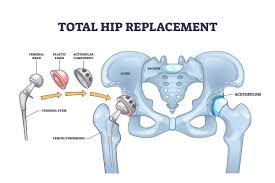
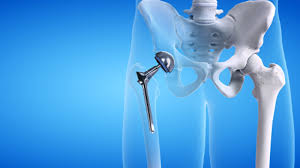
Several hip disorders progress to a stage where surgery offers meaningful benefit. Therefore, advanced arthritis, avascular necrosis, severe joint degeneration, and post-traumatic hip damage often require surgical correction. Moreover, persistent groin pain and reduced walking tolerance usually indicate advanced joint involvement.
In addition, deformities affecting hip alignment place excessive stress on surrounding muscles and ligaments. Consequently, untreated imbalance worsens functional limitation. Surgical intervention becomes appropriate only when diagnostic findings match clinical symptoms, ensuring responsible and targeted treatment.
1. When do doctors recommend advanced hip replacement
Doctors recommend surgery when hip joint damage causes persistent pain and limits daily function. Clinical examination and imaging guide the decision.
2. How is advanced hip replacement planned
Surgeons evaluate joint structure, alignment, and muscle balance. This process ensures personalised surgical planning.
3. Is advanced hip replacement safe
The procedure follows strict safety and quality standards. Established protocols protect patients throughout treatment.
4. Why is follow-up important after hip replacement
Follow-up visits help doctors monitor joint performance and alignment. Regular reviews support long-term outcomes.
5. How does hospital infrastructure affect hip replacement outcomes
Advanced infrastructure supports surgical accuracy and patient safety. A controlled environment improves treatment consistency.