
Specialist Orthopaedic and Hip Replacement Surgeon
Chief Knee and Hip Replacement, Complex Trauma Surgeon
- M.B.B.S.
- M.S. Orthopaedics
- Fellow in Knee and Hip Replacement, Mumbai
- Fellow In Knee and Hip Surgery, Germany
- Fellow in Knee and Hip Surgery, NHS, Singapore
- Fellowship in Complex and revesion knee and Hip replacement, London, Lancaster, UK
Avascular Necrosis, commonly known as AVN, is a serious bone condition that gradually damages joint health. It occurs when blood supply to the bone reduces or stops. As a result, bone tissue weakens and may collapse if untreated. AVN often affects the hip joint and can severely limit mobility.
At Varunam Super Speciality Hospital, Dr. Utsav Agrawal provides advanced AVN treatment in Chhindwara with a focus on early diagnosis, joint preservation, and long-term recovery. With modern diagnostic tools and personalized treatment planning, patients receive timely care that helps prevent permanent joint damage.
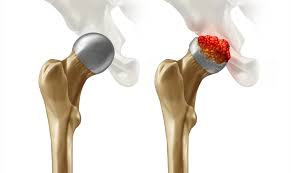
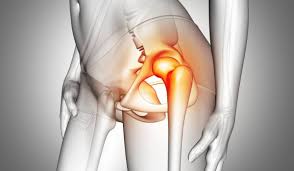
AVN develops when bones fail to receive enough blood supply. Over time, the bone loses strength and structure. Consequently, the joint surface collapses, leading to pain and stiffness. The hip joint remains the most commonly affected area, although knees and shoulders may also suffer.
Several factors increase AVN risk, including long-term steroid use, alcohol consumption, trauma, and certain medical conditions. However, early detection can significantly slow disease progression. Therefore, prompt evaluation by Dr. Utsav Agrawal improves treatment success.
In the early stage, AVN may not cause noticeable symptoms. However, pain gradually appears during walking or standing. Later, pain persists even at rest. Patients may also experience stiffness, limping, and reduced joint movement.
As symptoms worsen, daily activities become difficult. Therefore, early consultation at Varunam Super Speciality Hospital helps protect the joint and avoid major surgery. Recognizing symptoms early plays a key role in successful AVN treatment.
AVN develops due to various underlying causes. Trauma to the joint can damage blood vessels. Long-term steroid use can affect blood flow. Excessive alcohol intake also increases risk.
Additionally, conditions like sickle cell disease, autoimmune disorders, and previous joint injuries may contribute. Dr. Utsav Agrawal carefully evaluates medical history to identify risk factors. This evaluation allows targeted treatment planning and better long-term outcomes.
Accurate diagnosis determines treatment success. At Varunam Super Speciality Hospital, AVN diagnosis involves clinical examination and advanced imaging. X-rays help identify bone changes in later stages. MRI scans detect AVN early, even before symptoms worsen.
Dr. Utsav Agrawal uses these findings to stage the disease. Early-stage AVN allows joint-saving treatment. Advanced stages may require surgical intervention. This structured diagnostic approach ensures precise and timely care.
AVN treatment depends on disease stage and patient condition. In early stages, non-surgical management helps preserve the joint. Treatment may include medications, activity modification, and physiotherapy.
For progressive AVN, surgical options provide effective relief. Procedures such as core decompression reduce bone pressure and improve blood flow. In advanced cases, hip replacement may become necessary. Dr. Utsav Agrawal focuses on preserving the natural joint whenever possible, ensuring long-term mobility and comfort.
Varunam Super Speciality Hospital is a trusted center for AVN treatment in Chhindwara. The hospital offers modern infrastructure, advanced imaging, and experienced orthopedic care.
Dr. Utsav Agrawal follows a patient-centric approach with ethical treatment practices. Clear communication, personalized care plans, and structured rehabilitation ensure optimal outcomes. Additionally, eligible patients receive guidance for government health schemes, making treatment accessible and reliable.
Q1. What is AVN and why is it serious?
AVN causes bone tissue death due to reduced blood supply and may lead to joint collapse if untreated.
Q2. Which joint is most commonly affected by AVN?
The hip joint is most commonly affected.
Q3. Can AVN be treated without surgery?
Yes, early-stage AVN can often be treated with non-surgical methods.
Q4. When is surgery required for AVN?
Surgery is recommended in advanced stages when joint damage progresses.
Q5. How is AVN diagnosed early?
MRI scans help detect AVN in early stages.
Q6. Is hip replacement the only solution for AVN?
No, joint-preserving treatments are possible if AVN is detected early.
Q7. Why consult Dr. Utsav Agrawal for AVN treatment in Chhindwara?
His expertise, early diagnosis approach, and advanced treatment planning ensure better outcomes.