
Specialist Orthopaedic and Hip Replacement Surgeon
Chief Knee and Hip Replacement, Complex Trauma Surgeon
- M.B.B.S.
- M.S. Orthopaedics
- Fellow in Knee and Hip Replacement, Mumbai
- Fellow In Knee and Hip Surgery, Germany
- Fellow in Knee and Hip Surgery, NHS, Singapore
- Fellowship in Complex and revesion knee and Hip replacement, London, Lancaster, UK
Choosing AVN treatment in Mandla at Varunam Super Speciality Hospital ensures comprehensive care focused on preserving joint structure and mobility. The hospital follows a patient-centric approach, offering stage-specific treatment plans tailored to individual needs.
From early diagnosis and non-surgical management to advanced surgical interventions and rehabilitation, every step is carefully managed. Physiotherapy programs aim to improve joint strength, reduce stiffness, and support long-term recovery. Continuous follow-up helps monitor disease progression and treatment success.
For patients experiencing hip pain, stiffness, or restricted movement due to AVN, opting for AVN treatment in Mandla at Varunam Super Speciality Hospital provides expert orthopedic care, advanced technology, and personalized treatment strategies, enabling better joint health and improved quality of life.
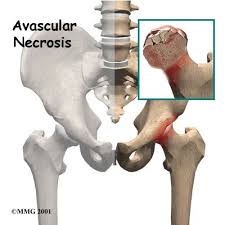
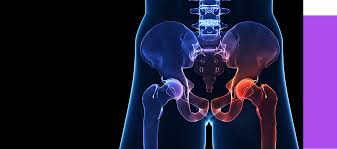
AVN occurs when blood flow to a bone reduces or stops completely. Without oxygen and nutrients, bone tissue begins to die. Gradually, the affected bone weakens and collapses. Most commonly, AVN affects weight-bearing joints such as the hip. However, the knee, shoulder, and ankle may also be involved.
At Varunam Super Speciality Hospital, Dr. Utsav Agrawal explains the condition clearly to every patient. Early identification helps prevent joint damage. Therefore, timely medical attention plays a crucial role in treatment success.
Several factors contribute to AVN development. Long-term steroid use remains a major cause. Additionally, excessive alcohol consumption increases risk significantly. Trauma, hip fractures, dislocations, and certain medical conditions also reduce blood flow to bones.
Sometimes, AVN develops without a clear cause. This condition is known as idiopathic AVN. Regardless of cause, early medical evaluation at Varunam Super Speciality Hospital helps limit disease progression and protects joint health.
In early stages, AVN may not cause noticeable symptoms. However, pain gradually develops as bone damage increases. Patients often feel discomfort during movement or weight-bearing activities. Later, pain may persist even at rest.
Other symptoms include joint stiffness, reduced range of motion, limping, and difficulty performing daily tasks. When these symptoms appear, consulting Dr. Utsav Agrawal promptly helps prevent irreversible joint damage.
Accurate diagnosis determines treatment success. At Varunam Super Speciality Hospital, AVN diagnosis begins with a detailed clinical evaluation. Dr. Utsav Agrawal reviews symptoms, medical history, and risk factors carefully.
Advanced imaging plays a key role in early detection. X-rays help identify advanced disease, while MRI scans detect AVN at early stages. As a result, patients receive timely treatment that preserves joint structure and function.
AVN treatment depends on disease stage and patient condition. In early stages, non-surgical methods help slow progression. These include medications, activity modification, pain management, and physiotherapy.
For moderate stages, joint-preserving procedures such as core decompression may be advised. This procedure reduces pressure inside the bone and improves blood flow. In advanced stages, when joint collapse occurs, surgical intervention becomes necessary. At Varunam Super Speciality Hospital, treatment always aims to preserve the natural joint whenever possible.
When AVN progresses significantly, surgery offers the best relief. Dr. Utsav Agrawal performs surgical procedures with precision and care. The hospital uses modern operation theatres and strict safety protocols.
Surgical options include core decompression, bone grafting, or joint replacement in advanced cases. High-quality implants and precise alignment restore mobility and reduce pain. Because of careful planning, patients experience improved outcomes and long-term joint stability.
Recovery depends on disease stage and treatment method. Early-stage AVN patients often recover faster with conservative care. Surgical patients require structured rehabilitation for optimal results.
At Varunam Super Speciality Hospital, rehabilitation programs include physiotherapy, muscle strengthening, and movement training. Dr. Utsav Agrawal monitors recovery progress closely. With consistent rehabilitation, patients regain strength, mobility, and confidence gradually.
Varunam Super Speciality Hospital offers advanced AVN treatment in Mandla, providing specialized orthopedic care for patients suffering from avascular necrosis of the hip and other joints. The hospital focuses on early diagnosis, stage-based treatment, and personalized care to preserve joint function and reduce pain.
Equipped with modern diagnostic facilities such as MRI and digital imaging, and supported by experienced orthopedic surgeons, Varunam provides both non-surgical and surgical AVN treatments. Depending on the stage of the disease, options may include medication, physiotherapy, core decompression, or joint replacement. The hospital emphasizes minimally invasive techniques and structured rehabilitation to improve outcomes, making it a reliable center for AVN treatment in Mandla.
Q1. What is avascular necrosis (AVN)?
AVN is a condition where reduced blood supply leads to bone tissue damage, commonly affecting the hip joint.
Q2. What causes AVN?
Common causes include long-term steroid use, alcohol consumption, trauma, and certain medical conditions.
Q3. How is AVN diagnosed?
AVN is diagnosed using clinical examination and imaging tests such as X-rays and MRI scans.
Q4. Can AVN be treated without surgery?
Yes. In early stages, medications, lifestyle changes, and physiotherapy may help slow disease progression.
Q5. When is surgery required for AVN?
Surgery may be required in advanced stages to relieve pain and restore joint function, often through joint replacement.