
Specialist Orthopaedic and Hip Replacement Surgeon
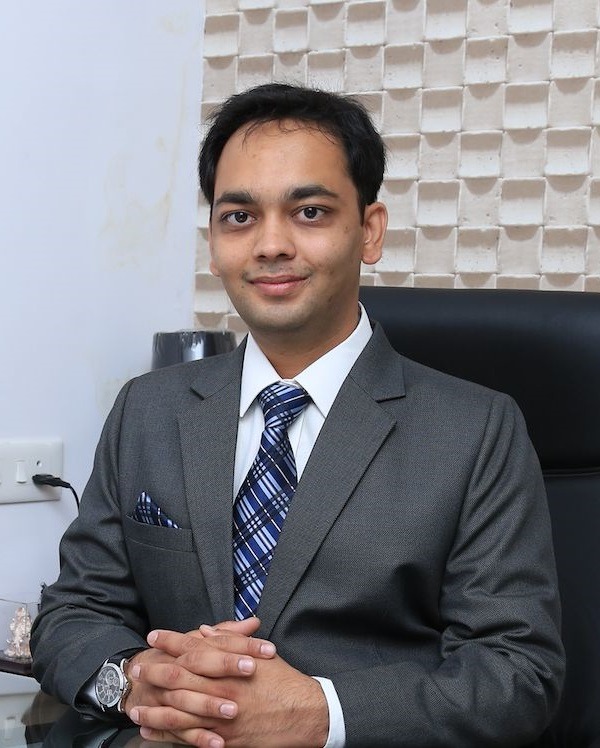
Chief Knee and Hip Replacement, Complex Trauma Surgeon
- M.B.B.S.
- M.S. Orthopaedics
- Fellow in Knee and Hip Replacement, Mumbai
- Fellow In Knee and Hip Surgery, Germany
- Fellow in Knee and Hip Surgery, NHS, Singapore
- Fellowship in Complex and revesion knee and Hip replacement, London, Lancaster, UK
Choosing AVN treatment in Shahdol at Varunam Super Speciality Hospital ensures advanced care with a focus on accurate diagnosis, personalized treatment, and effective rehabilitation. The hospital emphasizes early detection, precise surgical planning, and comprehensive post-operative care to prevent joint deterioration and restore mobility.
From initial evaluation and imaging to conservative therapy or surgical management, every stage of treatment is carefully handled. Physiotherapy programs focus on strengthening the affected joint, improving mobility, and reducing pain, while continuous follow-up ensures long-term joint health.
For patients suffering from hip or joint pain due to AVN, opting for AVN treatment in Shahdol at Varunam Super Speciality Hospital provides expert orthopedic care, modern facilities, and a structured recovery plan, enabling patients to regain mobility and lead an active life.
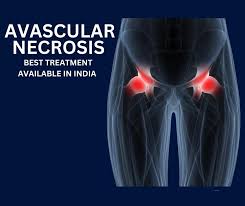
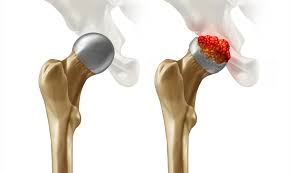
Timely AVN treatment offers several advantages. Firstly, it relieves pain and discomfort, allowing patients to regain mobility. Secondly, early interventions prevent further deterioration of the affected joint, reducing the likelihood of complex surgeries. Thirdly, advanced surgical procedures, including core decompression, bone grafting, or joint replacement, restore joint function with precision. Additionally, personalised physiotherapy and rehabilitation help patients regain strength and flexibility. Overall, AVN treatment in Shahdol ensures long-term joint stability and improved quality of life.
Eligibility for AVN treatment depends on the stage of the condition and the patient’s overall health. Early-stage AVN may respond to non-surgical treatments, while advanced stages often require surgical intervention. At Varunam Super Speciality Hospital, patients undergo comprehensive medical evaluation, imaging studies, and blood tests to determine suitability for treatment. Hospital coordinators assist with documentation, approvals, and insurance verification, making the process seamless for patients seeking AVN treatment in Shahdol.
Accurate diagnosis is crucial for effective AVN treatment. Patients undergo a thorough clinical evaluation, including physical examination, X-rays, MRI scans, and other imaging techniques. These assessments help determine the stage of AVN, identify the affected bone, and guide treatment planning. Dr. Utsav Agrawal reviews all findings to develop a personalised care plan. Patients are informed about treatment options, recovery timelines, and post-operative care to enhance confidence and preparedness.
Advanced AVN often requires surgical intervention to restore joint function. Surgical procedures may include core decompression to relieve pressure, bone grafting to support the affected bone, or total joint replacement in cases of severe joint collapse. Minimally invasive techniques are employed whenever possible to reduce tissue damage and accelerate recovery. Dr. Utsav Agrawal performs all procedures with precision, ensuring accurate implant placement, joint alignment, and long-term stability. These surgical approaches significantly reduce pain and improve mobility.
Maintaining joint health after AVN treatment is crucial. Patients should follow physiotherapy routines consistently, perform low-impact exercises to strengthen muscles, maintain a healthy weight to reduce stress on the joint, and attend regular follow-ups with Dr. Utsav Agrawal. Avoiding high-impact activities until cleared by the doctor protects the joint and ensures smooth recovery. These measures support long-term joint function, improved mobility, and sustained quality of life.
Q1. What is AVN?
Avascular Necrosis (AVN) is a condition where blood supply to the bone is reduced, leading to bone tissue death and joint deterioration.
Q2. What are the treatment options for AVN?
Treatment includes medication, physiotherapy, core decompression surgery, bone grafting, or hip replacement depending on severity.
Q3. How is AVN diagnosed?
Advanced imaging techniques like X-rays, MRI, and CT scans help assess the extent of bone damage and guide treatment.
Q4. Can AVN be managed without surgery?
Early-stage AVN can sometimes be managed with medication, activity modification, and physiotherapy, but advanced cases may require surgical intervention.
Q5. How can I get AVN treatment in Shahdol?
Patients can consult the orthopedic specialists at Varunam Super Speciality Hospital for evaluation, diagnosis, and personalized treatment planning.