Varunam Super Speciality Hospital

Specialist Orthopaedic and Hip Replacement Surgeon

Best h replacement surgeon in nagpur

Chief Knee and Hip Replacement, Complex Trauma Surgeon

Experience : 15 years / 15000+ Successfully Surgery completed
Edit Template
The first month of a newborn’s life is the most delicate and critical period for growth, immunity, and development. Parents often feel anxious about feeding difficulties, weight concerns, jaundice, breathing patterns, and temperature regulation. Therefore, choosing the best neonatal OPD (1 day to 1 month) in Betul is essential for early detection, preventive care, and timely treatment. At Varunam Super Speciality Hospital, families receive compassionate, evidence‑based neonatal care led by Dr. Utsav Agrawal, ensuring each infant gets personalised attention, continuous monitoring, and guidance from the very first check‑ups.
Best Neonatal OPD (1 day to 1 month) in Betul
Newborns adapt rapidly in their first few weeks, and subtle signs can indicate underlying issues. Consequently, regular evaluations in a specialised neonatal OPD help clinicians detect and manage concerns such as jaundice, feeding intolerance, dehydration, or early infection. Early care prevents complications, supports healthy growth, and reassures parents through structured follow‑ups. Moreover, expert guidance on breastfeeding, weight gain, and vaccination schedules empowers families to care confidently for their baby at home while knowing that professional support is readily available whenever needed.

Parents visiting the neonatal OPD at Varunam Super Speciality Hospital receive comprehensive newborn care, including:

  • Evaluation of feeding patterns, weight gain, and hydration
  • Assessment and management of neonatal jaundice
  • Growth monitoring and immunisation advice
  • Early recognition of developmental concerns

Dr. Utsav Agrawal and his team focus on detailed clinical assessment combined with support for parental concerns, ensuring that each infant thrives during this crucial early phase.

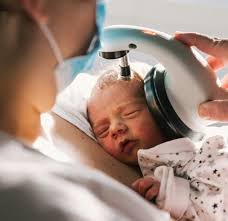
At Varunam Super Speciality Hospital, clinical evaluations begin with detailed history taking, including birth details, feeding regimen, and family history. After that, the neonatal specialist conducts a head‑to‑toe examination to assess skin colour, muscle tone, reflexes, breathing pattern, and overall alertness. Moreover, weight checks and body measurements are recorded at every visit to monitor growth trajectory. Since early detection matters, liver and bilirubin levels are checked when necessary, and pulse oximetry may be used to ensure proper oxygenation. Continuous monitoring allows Dr. Utsav Agrawal to tailor care plans that suit each newborn’s needs, and families receive clear instructions to promote healthy development.
Breastfeeding establishes nutrition, immunity, and bonding, but many new mothers encounter challenges such as latch difficulties, sore nipples, or insufficient milk supply. Therefore, neonatal OPD care at Varunam Super Speciality Hospital includes skilled lactation support to assess feeding technique and offer practical advice. The team provides positioning guidance, helps manage tongue‑tie issues, and supports mothers through feeding schedules that promote adequate caloric intake. Consequently, babies receive optimal nourishment, and mothers gain confidence in feeding their newborns, ensuring a healthy start.
Vaccination protects infants from life‑threatening infections right from birth. In the neonatal OPD, parents receive clear guidance on immunisation schedules recommended by national and international health authorities. Beginning with the BCG and hepatitis B vaccines, the team ensures families understand the timing, benefits, and potential mild side effects of each vaccine. Additionally, parents learn infection prevention strategies, including hand hygiene, safe sleep practices, and measures to reduce exposure to contagious illnesses. This proactive support contributes to a strong foundation for long‑term health.
The transition to parenthood can be overwhelming, especially when caring for a newborn only days old. Therefore, emotional support and counselling are integral parts of neonatal OPD care at Varunam Super Speciality Hospital. Dr. Utsav Agrawal and the neonatal team patiently address parental questions about crying patterns, sleep routines, weight gain expectations, and safe bathing practices. Moreover, they help families recognise danger signs such as persistent fever, difficulty breathing, or feeding refusal, ensuring swift escalation of care when needed. Through empathetic communication, parents feel supported and equipped to nurture their newborn confidently.

At Varunam Super Speciality Hospital, neonatal OPD services incorporate advanced facilities to provide accurate and efficient care:

  • Digital growth monitoring and infant scales
  • Bilirubin measurement devices for jaundice assessment
  • Pulse oximetry for oxygen saturation checks
  • Lactation support and feeding assessment tools

These facilities support high‑quality neonatal care, and Dr. Utsav Agrawal ensures that each newborn receives precise evaluation and follow‑up tailored to their unique needs. Moreover, complementary laboratory services and easy scheduling make it convenient for parents to access all necessary care under one roof.

Parents should bring their newborn to the OPD promptly after discharge and continue regular visits during the first month. Key indications for earlier or more frequent visits include:

  • Jaundice or yellowing of the skin and eyes
  • Poor feeding or inadequate weight gain
  • Increased irritability or lethargy
  • Difficulty breathing or persistent cough
  • High fever or signs of dehydration

Prompt evaluation leads to early intervention, which often prevents progression and ensures smooth development.

Investing in structured neonatal OPD visits during the first month yields significant long‑term benefits. Early care enhances physical growth, supports neurodevelopmental milestones, and lays the groundwork for future wellness. Parents who engage with professionals like Dr. Utsav Agrawal learn to anticipate challenges, maintain healthy routines, and adopt preventive measures that protect their child from common childhood illnesses. Over time, this early support translates to improved cognitive, immunologic, and emotional outcomes for the child.
  • Always ensure comfortable and safe sleep, ideally on the back in a firm cot.
  • Practice hand hygiene before every feeding or handling of the newborn.
  • Keep the baby well‑hydrated and follow feeding schedules recommended by the neonatal team.
  • Monitor for signs of illness and seek prompt evaluation if concerns arise.
  • Attend all scheduled neonatal OPD visits for timely assessment and guidance.
Varunam Super Speciality Hospital stands out for its compassionate, evidence‑based neonatal services. Under the leadership of Dr. Utsav Agrawal, families receive personalised attention, 24/7 support, and expert guidance tailored to newborn needs. The hospital blends modern technology with human‑centred care, ensuring that infants in Betul receive the best possible start in life. Moreover, transparent communication, ethical practices, and collaborative decision‑making make it a trusted choice for parents seeking comprehensive care from day one to one month and beyond.

Q1. What conditions are commonly checked in a neonatal OPD?
Newborns are evaluated for jaundice, feeding issues, weight gain, temperature regulation, developmental readiness, and early signs of infection.

Q2. How often should newborns visit the OPD in the first month?
Initial visit soon after discharge and then follow‑ups at 1 week, 2 weeks, and as advised based on clinical needs.

Q3. Who leads neonatal care at Varunam Super Speciality Hospital?
Newborn care is supervised by Dr. Utsav Agrawal with specialised support from trained nursing and paediatric teams.

Q4. Is breastfeeding support included in neonatal OPD care?
Yes, mothers receive practical guidance on breastfeeding techniques, positioning, and milk supply management.

Q5. When should parents immediately return to the OPD?
Visit sooner if the baby has high fever, difficulty breathing, persistent vomiting, refusal to feed, or unusual lethargy.