
Specialist Orthopaedic and Hip Replacement Surgeon

Chief Knee and Hip Replacement, Complex Trauma Surgeon
- M.B.B.S.
- M.S. Orthopaedics
- Fellow in Knee and Hip Replacement, Mumbai
- Fellow In Knee and Hip Surgery, Germany
- Fellow in Knee and Hip Surgery, NHS, Singapore
- Fellowship in Complex and revesion knee and Hip replacement, London, Lancaster, UK
Best Pediatric OPD (1 Month to 18 Years) in Amaravti
Every child deserves specialized medical attention that respects their growth patterns, age-specific needs, and changing health concerns. Therefore, parents in Amaravti seek the best pediatric OPD for children aged 1 month to 18 years to ensure complete care — from newborn wellness checks to adolescent health guidance. Pediatric care differs significantly from general adult medicine because children’s immune systems, organ development, and growth rates vary at every age. Consequently, pediatric OPDs focus on evaluating growth, preventing disease, guiding nutrition, and treating all common and complex childhood illnesses. Because early life health sets the foundation for lifelong well-being, it’s essential to choose a pediatric service that offers comprehensive support, trusted expertise, and a child-friendly environment that puts both children and parents at ease.
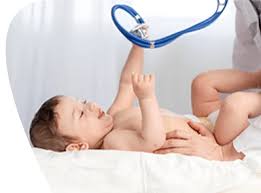
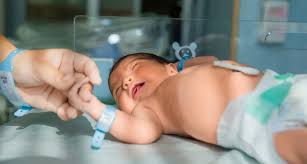
While Dr Utsav Agrawal is best known for his orthopedic expertise, he recognizes how vital overall health support is for children, especially when growth and mobility intersect, as in juvenile bone and joint concerns. In addition to directing orthopedic services, Dr Utsav Agrawal supports initiatives to expand pediatric care awareness in Amaravti. Therefore, he encourages families to seek well-rounded pediatric care at trusted facilities where holistic health is the priority. Because child health often involves overlapping muscular, skeletal, nutrition, and growth factors, Dr Utsav Agrawal’s approach highlights early assessment and referral to appropriate pediatric specialists when needed.
Varunam hospital in Amaravti offers a trusted outpatient department that caters to children from 1 month up to 18 years of age. This facility combines experienced physicians, updated pediatric protocols, and a child-friendly atmosphere to reduce anxiety for both children and parents. Because pediatric visits can be overwhelming for young patients, varunam hospital focuses on creating calm waiting areas, gentle examination environments, and staff trained in child communication, ensuring every child feels heard and safe.
Regular pediatric check-ups play a crucial role in maintaining lifelong health. Babies and toddlers require frequent evaluations to monitor weight gain, motor milestones, sensory development, and immunizations. As children grow, pediatric visits help identify vision or hearing concerns, monitor academic performance-related stress or anxiety, and support healthy lifestyle choices. Teenagers often undergo rapid physical and emotional changes, making it essential for pediatric OPDs to provide guidance on nutrition, mental health, sports safety, and preventive screenings.
Moreover, children do not always verbalize symptoms clearly. Therefore, pediatricians employ careful observation, comprehensive history taking, and age-appropriate examinations to assess health concerns early. This proactive approach improves disease prevention, enhances growth outcomes, and builds a trusted care relationship between families and healthcare providers.
Pediatric OPDs treat a wide range of conditions that vary with age. In infants, frequent concerns include feeding difficulties, minor infections, colic, jaundice follow-ups, and immunization side effects. Toddlers and preschool-aged children commonly present with respiratory infections, digestive issues, skin disorders, and allergy concerns. School-aged children often need support for recurrent infections, vision or dental referrals, nutrition advice, or behavioral guidance. Adolescents may seek help for puberty-related changes, sports injuries, mood concerns, or routine health screenings.
Because children’s immune systems and bodies change rapidly, pediatric doctors tailor treatment plans to age-specific concerns, using medications, therapies, or lifestyle strategies that support safe and natural development.
Vaccination remains one of the most powerful tools in pediatric care. Pediatric OPDs ensure children follow national immunization schedules to protect against preventable diseases such as measles, polio, tetanus, and whooping cough. Preventive care also includes nutrition counseling to prevent anemia and obesity, dental and vision screening referrals, and anticipatory guidance — where doctors counsel parents on injury prevention, sleep routines, and social development.
At varunam hospital, pediatricians work with families to create a comprehensive wellness plan that includes routine check-ups, booster immunizations, growth tracking, and developmental milestones. This structured preventive care helps reduce future health risks and fosters a proactive approach to long-term well-being.
Visiting a clinic can be daunting for young children, which is why pediatric OPDs emphasize supportive, friendly environments that ease anxiety. At varunam hospital in Amaravti, staff interact with children using age-appropriate language, comfort-based techniques, and gentle care practices. This approach encourages children to cooperate during examinations, fosters trust, and reduces fear.
Moreover, pediatric OPDs provide parental support through clear communication, practical advice, and emotional reassurance. Pediatricians explain diagnoses, treatment plans, and home care instructions in understandable terms, empowering parents to manage health concerns at home. This empathetic, educational model strengthens family involvement in a child’s healthcare journey.
Parents seeking the best pediatric OPD in Amaravti should consider several key factors: pediatrician experience, clinic infrastructure, preventive care programs, immunization services, follow-up support, and a child-friendly atmosphere. A comprehensive pediatric OPD should also integrate referrals for specialists when needed and coordinate continuity of care as children grow older.
Because routine check-ups help detect health issues early, parents should choose an OPD that offers reliable growth monitoring, developmental evaluation, and consistent follow-through on health concerns. A dependable pediatric OPD helps families navigate health questions comfortably while providing structured care that evolves with each child’s needs.
Structured pediatric care ensures that children undergo age-appropriate evaluations that address both common and complex health concerns. This comprehensive care model helps prevent serious conditions from developing, supports normal growth patterns, and fosters strong immunity against preventable diseases. Parents who choose trusted pediatric services in Amaravti invest in long-term health outcomes for their children.
Furthermore, when pediatricians collaborate with family support systems, children benefit from continuity of care — an approach that strengthens health monitoring, improves treatment responsiveness, and encourages open communication about health concerns.
What age group does a pediatric OPD serve?
A pediatric OPD serves children from 1 month to 18 years, offering age-specific medical care, immunizations, growth monitoring, and developmental support.
Why are regular pediatric visits important?
Regular pediatric visits help track growth, catch early warning signs, update immunizations, and address health concerns before they worsen.
What services does a pediatric OPD provide?
Services include routine check-ups, preventive care, immunizations, illness management, nutrition counseling, and developmental assessments.
How does a pediatric OPD help with preventive care?
Pediatric OPDs provide immunizations, nutrition advice, lifestyle guidance, and anticipatory counseling to prevent illnesses and support healthy growth.
When should parents take their child to the pediatric OPD?
Parents should visit for routine wellness check-ups, immunizations, sudden illness, persistent symptoms, injuries, or anytime they notice unusual changes in health or behavior.