
Specialist Orthopaedic and Hip Replacement Surgeon

Chief Knee and Hip Replacement, Complex Trauma Surgeon
- M.B.B.S.
- M.S. Orthopaedics
- Fellow in Knee and Hip Replacement, Mumbai
- Fellow In Knee and Hip Surgery, Germany
- Fellow in Knee and Hip Surgery, NHS, Singapore
- Fellowship in Complex and revesion knee and Hip replacement, London, Lancaster, UK
Best Robotic Hip Surgeon in Satna – Dr. Utsav Agrawal at Varunam Super Speciality Hospital
Why Robotic Hip Surgery Requires a Specialist
Expertise of Dr. Utsav Agrawal – Best Robotic Hip Surgeon in Satna
Advantages of Choosing a Robotic Hip Specialist
Opting for a surgeon experienced in robotic hip replacements offers many benefits. First, precise implant placement improves joint alignment, balance, and stability. Second, smaller incisions and controlled surgical movements preserve soft tissue, reducing post‑operative pain. Moreover, controlled accuracy reduces the risk of complications and implant misalignment. As a result, patients enjoy shorter hospital stays and quicker return to daily activities. Additionally, precise joint mechanics achieved with robotic support often enhance implant longevity, delaying or even preventing future revision surgeries. Dr. Agrawal’s detailed approach also includes personalized rehabilitation plans and close follow‑up care, which further improves outcomes.
The Treatment Journey with Satna’s Best Robotic Hip Surgeon
The robotic hip surgery process begins with a comprehensive consultation. During this visit, Dr. Utsav Agrawal listens to the patient’s medical history, examines clinical findings, and coordinates imaging studies such as X‑rays or CT scans. These images help in forming a customized surgical blueprint. Next, pre‑operative planning uses computer navigation and robotic guidance systems that assist during surgery. Using this strategy, Dr. Agrawal achieves precise bone cuts, accurate implant positioning, and balanced joint mechanics. After surgery, structured post‑operative care, pain management, and physiotherapy support recovery. Because post‑surgical rehabilitation is essential, the hospital’s team works with patients to improve strength, flexibility, and confidence in movement. With this step‑by‑step support, patients experience smoother, faster, and more predictable recovery.
Surgery Process and Recovery
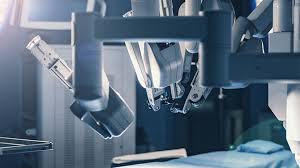
The robotic-assisted hip replacement process starts with comprehensive pre-operative assessment. Dr. Utsav Agrawal examines the hip joint, reviews imaging studies, and develops a patient-specific surgical plan. During surgery, robotic assistance provides real-time guidance, ensuring accurate implant placement and minimal tissue damage.
After surgery, patients receive personalized care, including pain management, physiotherapy, and rehabilitation guidance. Early mobilization restores strength, balance, and flexibility. Regular follow-ups allow Dr. Agrawal to monitor recovery and ensure optimal joint function. Most patients resume normal activities within 4–6 weeks, while full recovery usually occurs in 2–3 months. The hospital’s multidisciplinary approach guarantees comprehensive care from diagnosis to full recovery.
Why Varunam Super Speciality Hospital Is Trusted
Varunam Super Speciality Hospital is recognized for excellence in orthopedic care, advanced technology, and patient-focused services. Its modern operation theatres, robotic systems, and trained support staff ensure safe and precise surgery. Patients benefit from ethical practice, transparent communication, and continuous follow-up care. With Dr. Utsav Agrawal leading robotic hip surgery, patients receive expert guidance and superior outcomes. These factors make the hospital the preferred destination for robotic hip replacement in Satna.
FAQs
Q1. Who qualifies for robotic-assisted hip replacement?
Patients with severe arthritis, AVN, post-traumatic hip damage, or congenital deformities may benefit.
Q2. Is robotic-assisted hip surgery less painful than conventional surgery?
Yes, smaller incisions and precise robotic guidance reduce post-operative pain and tissue trauma.
Q3. How soon can patients resume daily activities?
Most patients return to normal activities within 4–6 weeks, while full recovery may take 2–3 months.
Q4. How long do robotic hip implants last?
Modern implants typically last 15–20 years with proper care.
Q5. Who performs robotic hip surgery in Satna?
Dr. Utsav Agrawal at Varunam Super Speciality Hospital performs all robotic hip replacements.
Q6. Is physiotherapy necessary after surgery?
Yes, structured physiotherapy restores strength, flexibility, and long-term joint function.