Varunam Super Speciality Hospital

Specialist Orthopaedic and Hip Replacement Surgeon

Best h replacement surgeon in nagpur

Chief Knee and Hip Replacement, Complex Trauma Surgeon

Experience : 15 years / 15000+ Successfully Surgery completed
Edit Template

Government Approved Joint Surgery In Jabalpur

Government Approved Joint Surgery In Jabalpur provides patients with access to regulated orthopaedic care that follows nationally recognised medical and administrative standards. Therefore, these procedures operate under structured guidelines that emphasise safety, transparency, and affordability. Moreover, government approval ensures that hospitals meet strict requirements related to infrastructure, clinical expertise, and ethical practices. As a result, patients gain confidence in pursuing joint surgery without uncertainty about treatment quality. In addition, this approval framework supports uniformity across surgical practices. Consequently, patients experience consistent evaluation, procedural planning, and post-surgical monitoring. This structured approach helps families make informed decisions while maintaining trust in the healthcare system within Jabalpur.
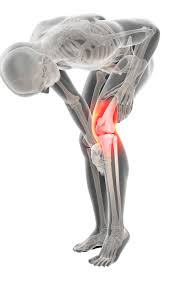
Government Approved Joint Surgery In Jabalpur
Several joint disorders may require surgical management when conservative treatments no longer provide relief. Therefore, advanced osteoarthritis, inflammatory joint disease, severe cartilage damage, and post-traumatic joint degeneration often prompt surgical evaluation. Moreover, symptoms such as persistent pain, stiffness, and limited joint movement signal progressive structural deterioration. In addition, untreated joint conditions may affect posture, balance, and overall mobility. Consequently, delayed treatment can lead to further functional decline. Doctors recommend surgery only after correlating clinical findings with diagnostic imaging, ensuring that intervention remains medically justified and patient-specific.
Government Approved Joint Surgery In Jabalpur at Varunam Hospital follows a structured care model aligned with regulatory and clinical benchmarks. Therefore, patients receive coordinated services that include diagnostic evaluation, surgical treatment, and monitored follow-up within a single healthcare system. Moreover, the hospital maintains modern operation theatres, advanced imaging facilities, and trained orthopaedic teams. Clinical governance and quality oversight operate under the leadership supervision of Dr. Utsav Agrawal, who ensures adherence to approved surgical protocols and ethical medical standards. Consequently, Varunam Hospital delivers consistent and accountable joint surgery services that align with government approval requirements.
Accurate diagnosis forms the foundation of effective joint surgery. Therefore, orthopaedic specialists conduct detailed physical examinations along with imaging studies such as X-rays and MRI scans. Moreover, assessments of joint alignment, ligament stability, and muscle strength guide treatment planning. In addition, surgeons personalise surgical strategies based on joint anatomy, disease severity, and functional needs. Consequently, implant selection and alignment correction remain patient-specific rather than standardised. This precise planning improves predictability and supports clear communication between doctors and patients regarding treatment goals.
Modern joint surgery relies on refined surgical techniques that prioritise accuracy and joint stability. Therefore, surgeons focus on precise bone preparation, balanced soft-tissue handling, and controlled implant positioning. Moreover, adherence to standardised operative protocols supports consistent outcomes. In addition, intraoperative monitoring ensures alignment accuracy and joint balance. Consequently, patients benefit from improved joint mechanics and functional reliability. These techniques reflect advancements in orthopaedic care and reinforce confidence in government-approved surgical services.
Patient safety remains central to government-approved joint surgery. Therefore, hospitals implement strict sterilisation practices, infection control protocols, and perioperative monitoring systems. Moreover, clinical teams follow evidence-based guidelines to maintain consistency across all stages of care. At Varunam Hospital, regular audits and outcome reviews strengthen accountability and continuous improvement. Consequently, patients receive care within a controlled environment where safety, accuracy, and ethical responsibility guide every clinical decision.
Government Approved Joint Surgery In Jabalpur includes structured follow-up care to support long-term joint health. Therefore, doctors schedule regular reviews to assess joint alignment, movement, and overall function. Moreover, clinicians provide guidance on posture awareness and activity moderation. In addition, ongoing monitoring allows early identification of functional concerns. Consequently, timely medical support helps maintain surgical benefits and joint stability. This continuity of care ensures that patients receive support beyond the surgical procedure itself.
Sustaining joint health requires long-term medical supervision and lifestyle balance. Therefore, follow-up consultations focus on evaluating joint performance and reinforcing preventive strategies. Moreover, doctors guide patients on maintaining healthy activity levels and joint protection practices. In addition, consistent engagement with healthcare providers supports early intervention when needed. Consequently, patients preserve joint comfort and function over time. This comprehensive approach strengthens long-term outcomes and patient confidence.

1. What does government approved joint surgery involve

Government approved joint surgery follows regulated clinical and financial standards. Approval ensures quality, safety, and transparency.

2. Who is eligible for government approved joint surgery

Eligibility depends on medical evaluation and diagnostic findings. Doctors assess each case individually.

3. How is patient safety maintained during joint surgery

Hospitals follow strict safety protocols and evidence-based practices. These measures protect patients throughout care.

4. Why is follow-up important after joint surgery

Follow-up helps monitor joint alignment and function. Regular reviews support long-term outcomes.

5. How does hospital infrastructure influence joint surgery

Advanced infrastructure supports surgical accuracy and patient safety. A controlled environment improves treatment reliability.