
Specialist Orthopaedic and Hip Replacement Surgeon

Chief Knee and Hip Replacement, Complex Trauma Surgeon
- M.B.B.S.
- M.S. Orthopaedics
- Fellow in Knee and Hip Replacement, Mumbai
- Fellow In Knee and Hip Surgery, Germany
- Fellow in Knee and Hip Surgery, NHS, Singapore
- Fellowship in Complex and revesion knee and Hip replacement, London, Lancaster, UK
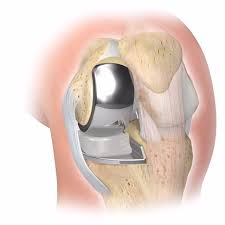
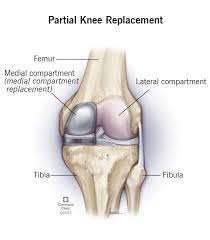
During knee replacement, minimally invasive techniques are used whenever possible to preserve healthy tissues and accelerate healing. Damaged cartilage and bone are carefully removed, and high-quality implants are positioned precisely to restore knee alignment and stability. Dr. Utsav Agrawal supervises each step of the procedure, combining surgical expertise with advanced technology. Patients experience less post-operative pain, shorter hospital stays, and faster rehabilitation, allowing them to regain mobility and return to daily life safely and efficiently.
Knee replacement surgery is safer due to multiple factors. Accurate implant placement prevents complications and improves long-term joint stability. Minimally invasive techniques minimize tissue damage and post-operative pain. Personalised care ensures patients follow a structured recovery plan and receive ongoing support. These measures collectively enhance mobility, improve quality of life, and provide lasting results, making knee replacement a reliable solution for chronic knee conditions.
Maintaining knee health after replacement surgery is vital. Patients should follow physiotherapy routines consistently, perform low-impact exercises to strengthen surrounding muscles, maintain a healthy weight to reduce joint stress, and attend regular follow-ups with Dr. Utsav Agrawal. Avoiding high-impact activities until cleared by the surgeon protects the implant and ensures smooth recovery. Following these steps preserves knee function, improves mobility, and supports long-term joint health.
Q1. Who performs knee replacement surgeries at Varunam Super Speciality Hospital?
All procedures are performed and supervised by Dr. Utsav Agrawal, ensuring expert care and precision.
Q2. Is knee replacement covered under government schemes or insurance?
Eligible patients can receive cashless or subsidised treatment under government schemes or approved insurance plans, including hospital stay, surgery, implants, and post-operative care.
Q3. How is eligibility for knee replacement determined?
Eligibility depends on severity of the condition, failure of conservative treatments, and overall health. Hospital coordinators assist with documentation, medical clearances, and approvals.
Q4. How long does recovery take after knee replacement?
Recovery varies based on individual health and type of surgery. Structured rehabilitation typically enables patients to regain safe mobility within a few weeks.
Q5. What knee conditions are treated with replacement surgery?
Knee replacement treats osteoarthritis, rheumatoid arthritis, AVN, ligament injuries, fractures, and chronic knee pain unresponsive to medications or physiotherapy.