Varunam Super Speciality Hospital

Specialist Orthopaedic and Hip Replacement Surgeon

Best h replacement surgeon in nagpur

Chief Knee and Hip Replacement, Complex Trauma Surgeon

Experience : 15 years / 15000+ Successfully Surgery completed
Edit Template

Minimally Invasive Hip Surgery In Adilabad
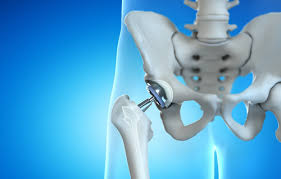
Hip joint disorders affect far more than physical movement. They influence posture, daily independence, and overall confidence. Therefore, modern orthopedic care focuses on methods that correct joint issues while protecting surrounding muscles and soft tissues. Earlier surgical approaches often required wider exposure, which increased physical stress on the joint area. However, medical advancements now allow surgeons to work with refined access, preserving natural anatomy as much as possible.
Minimally Invasive Hip Surgery In Adilabad
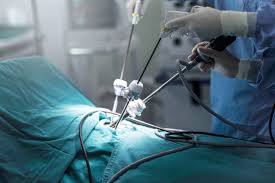

The primary objective of minimally invasive hip procedures is to restore joint alignment while maintaining structural stability. Therefore, surgeons aim to address damaged joint surfaces without unnecessary disturbance to healthy tissues. This approach supports accurate correction while respecting the body’s natural mechanics.

Moreover, surgical goals extend beyond immediate correction. Long-term joint performance, load distribution, and movement efficiency are carefully considered during planning. Consequently, treatment decisions are based on detailed anatomical assessment rather than symptom relief alone. This goal-oriented approach ensures that surgical intervention supports sustainable joint function rather than short-term improvement.

Hip surgery is considered only after careful medical evaluation confirms structural joint compromise. Therefore, conditions such as advanced joint degeneration, cartilage breakdown, or loss of joint congruency are closely examined. These conditions may gradually reduce movement efficiency and joint stability. In addition, trauma-related changes can alter hip alignment, leading to uneven stress distribution. Consequently, untreated structural issues may progress if not medically addressed. Thorough evaluation helps determine whether surgical correction is necessary, ensuring that intervention is justified and beneficial for long-term joint health.
Early orthopedic consultation allows clinicians to understand joint changes before complications increase. Therefore, timely assessment supports better clinical decision-making. Diagnostic imaging, physical examination, and movement evaluation together provide clarity regarding joint condition. Moreover, early consultation helps patients understand available treatment pathways. As a result, informed decisions can be made without unnecessary delay. Structured consultation reduces uncertainty and allows treatment planning to align with both medical needs and patient expectations.
Every hip joint presents unique anatomical characteristics. Therefore, preoperative assessment focuses on bone structure, joint alignment, and movement patterns. This evaluation allows surgeons to plan the most appropriate surgical approach for each individual. Furthermore, medical history and functional demands are reviewed to tailor treatment planning. Consequently, surgery is not approached as a standardized procedure but as a personalized medical intervention. Individualized planning supports safety, predictability, and optimal joint correction.
Minimally invasive techniques rely on controlled access and accurate instrumentation. Therefore, surgeons operate through refined pathways that allow focused correction without unnecessary exposure. Precision remains central to achieving balanced joint alignment. Moreover, refined surgical techniques reduce variability during complex procedures. As a result, joint positioning and structural balance are maintained with consistency. Precision-focused surgery reflects the integration of experience, planning, and advanced medical tools.
Technology plays a supportive role in enhancing surgical accuracy. Consequently, advanced imaging and guidance systems assist in visualizing joint structures clearly. This clarity supports informed intraoperative decisions. Furthermore, technology improves consistency across procedures. As a result, surgeons can maintain alignment accuracy while adapting to individual anatomy. Technology-driven support strengthens surgical reliability without replacing clinical judgment.
Varunam Hospital supports orthopedic care through structured systems and standardized protocols. Therefore, surgical environments are designed to meet modern safety and quality benchmarks. These systems support consistency across all stages of care. Moreover, hospital-wide quality monitoring ensures adherence to evidence-based practices. Consequently, patients benefit from an environment focused on accountability, precision, and ethical medical delivery. Infrastructure plays a vital role in maintaining dependable outcomes.
Strong clinical leadership ensures quality consistency across orthopedic services. Therefore, Dr. Utsav Agrawal provides oversight in surgical protocols, quality assurance, and outcome review. His role supports structured governance rather than individual variability. Moreover, leadership oversight ensures adherence to ethical and medical standards. Consequently, surgical teams operate within defined frameworks that prioritize patient safety and procedural accuracy. This governance strengthens trust and accountability in care delivery.
Minimally Invasive Hip Surgery In Adilabad is delivered through coordinated clinical systems at Varunam Hospital. Therefore, patient care follows standardized pathways from evaluation to postoperative supervision. This structure supports clarity and consistency. Moreover, integrated teamwork ensures smooth coordination between surgical, nursing, and rehabilitation services. As a result, patients experience cohesive medical care guided by safety and quality principles.
Medical supervision continues beyond the operating environment. Therefore, postoperative monitoring focuses on joint response, comfort, and wound condition. Early identification of concerns supports timely medical attention. In addition, continuity of care reassures patients throughout the treatment journey. Structured follow-up maintains communication and confidence while supporting stable healing and joint adaptation.
Rehabilitation planning complements surgical correction. Consequently, joint conditioning focuses on controlled movement and gradual strength restoration. Rehabilitation guidance is tailored to individual physical capacity. Moreover, guided conditioning supports joint awareness and confidence. As a result, patients learn to move safely while protecting surgical outcomes. Rehabilitation remains a structured and medically supervised process.

Who is evaluated for minimally invasive hip surgery

Patients with persistent hip joint issues may be evaluated through clinical assessment. Suitability depends on joint condition and overall health rather than symptoms alone.

How is surgical accuracy maintained

Accuracy is maintained through planning, technology, and standardized protocols. Experienced surgical teams follow defined clinical pathways.

Does minimally invasive surgery compromise joint stability

Joint stability depends on precise alignment and execution. Minimally invasive techniques focus on maintaining anatomical balance.

Why is clinical oversight important

Clinical oversight ensures safety, ethical practice, and consistency. It supports reliable outcomes through structured quality control.

How can patients support long-term hip health

Patients are guided on posture, activity balance, and follow-up care. These measures support joint durability and confidence.