Varunam Super Speciality Hospital

Specialist Orthopaedic and Hip Replacement Surgeon

Best h replacement surgeon in nagpur

Chief Knee and Hip Replacement, Complex Trauma Surgeon

Experience : 15 years / 15000+ Successfully Surgery completed
Edit Template

Minimally Invasive Hip Surgery In Gondia
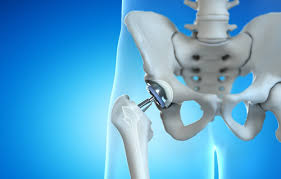
Hip joint problems can drastically affect mobility and quality of life, particularly in cases of arthritis, avascular necrosis, or traumatic injuries. Therefore, Minimally Invasive Hip Surgery In Gondia provides a modern, patient-friendly solution that reduces surgical trauma while ensuring effective joint repair. This approach uses smaller incisions, advanced instrumentation, and precise surgical techniques to minimize tissue damage and accelerate recovery. At Varunam Hospital, minimally invasive hip surgeries are performed under the clinical supervision of Dr. Utsav Agrawal, ensuring safety, accuracy, and optimal functional outcomes. As a result, patients in Gondia benefit from faster recovery and a smoother rehabilitation journey.
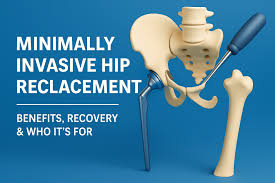
Minimally Invasive Hip Surgery In Gondia
Minimally invasive hip surgery focuses on reducing tissue trauma while restoring joint function. Therefore, surgical incisions are smaller, and specialized instruments are used to access the hip joint without extensive muscle disruption. At Varunam Hospital, Dr. Utsav Agrawal ensures that every procedure is customized according to the patient’s anatomy and condition. Moreover, minimally invasive techniques reduce blood loss, post-operative pain, and hospitalization time. As a result, patients experience quicker functional recovery and improved comfort.
Several hip conditions may benefit from minimally invasive surgical techniques. Therefore, patients with osteoarthritis, avascular necrosis, hip fractures, or mild to moderate joint deformities are considered eligible. At Varunam Hospital, Dr. Utsav Agrawal evaluates each case using clinical examination and advanced imaging to determine suitability for the minimally invasive approach. Moreover, early surgical intervention prevents further joint deterioration and reduces long-term pain. As a result, patients regain mobility and independence more effectively.
Successful minimally invasive hip surgery requires careful preoperative planning. Therefore, patients undergo imaging studies such as X-rays, CT scans, and 3D modeling to guide precise implant placement. At Varunam Hospital, Dr. Utsav Agrawal reviews all preoperative data to plan the optimal surgical approach. Moreover, patients receive thorough counseling about the procedure, recovery expectations, and postoperative care. As a result, patients enter surgery with confidence and a clear understanding of the process.
Minimally invasive hip surgery combines advanced technology with surgical skill to achieve optimal outcomes. Therefore, specialized instruments and smaller incisions allow Dr. Utsav Agrawal at Varunam Hospital to perform precise implant placement while preserving surrounding muscles and tissues. Moreover, reduced surgical trauma decreases postoperative pain, lowers infection risk, and shortens operative time. As a result, patients experience a safer procedure with faster recovery and improved joint function.
Recovery following minimally invasive hip surgery focuses on pain control, early mobilization, and structured rehabilitation. Therefore, patients receive stepwise physiotherapy and activity guidance to restore strength and flexibility. At Varunam Hospital, Dr. Utsav Agrawal monitors each patient’s progress and adjusts rehabilitation plans as needed. Moreover, smaller incisions allow quicker healing and shorter hospital stays. As a result, patients regain independence and resume daily activities with minimal discomfort.
Minimally invasive hip surgery offers multiple long-term advantages over traditional approaches. Moreover, patients experience less postoperative pain, faster recovery, reduced scarring, and improved joint stability. At Varunam Hospital, Dr. Utsav Agrawal provides long-term follow-up to ensure implant function, detect complications early, and guide lifestyle adjustments. In addition, patients enjoy enhanced mobility, better quality of life, and sustained joint health. As a result, minimally invasive hip surgery becomes a reliable and patient-friendly solution for chronic hip conditions.
Patient education is key to successful outcomes in minimally invasive hip surgery. Therefore, Varunam Hospital emphasizes thorough counseling about the surgical procedure, postoperative care, and rehabilitation requirements. Dr. Utsav Agrawal guides patients and their families through each step, addressing questions and providing reassurance. Moreover, personalized recovery plans and lifestyle guidance help patients maintain joint health long-term. As a result, patients experience comprehensive, safe, and supported care throughout their surgical journey.

1. Who is eligible for minimally invasive hip surgery?
Patients with hip arthritis, avascular necrosis, mild deformities, or hip fractures may be suitable candidates.

2. How is minimally invasive hip surgery different from traditional surgery?
It uses smaller incisions, specialized instruments, and preserves surrounding tissues, leading to faster recovery and reduced pain.

3. How long is recovery after minimally invasive hip surgery?
Recovery is generally quicker, with guided physiotherapy over several weeks to restore strength and mobility.

4. Are follow-up visits necessary?
Yes, Varunam Hospital provides structured follow-ups to monitor healing, implant function, and long-term joint health.

5. Why choose Varunam Hospital for minimally invasive hip surgery in Gondia?
Varunam Hospital offers advanced minimally invasive techniques under the expert clinical guidance of Dr. Utsav Agrawal, ensuring safe and precise outcomes.