
Specialist Orthopaedic and Hip Replacement Surgeon

Chief Knee and Hip Replacement, Complex Trauma Surgeon
- M.B.B.S.
- M.S. Orthopaedics
- Fellow in Knee and Hip Replacement, Mumbai
- Fellow In Knee and Hip Surgery, Germany
- Fellow in Knee and Hip Surgery, NHS, Singapore
- Fellowship in Complex and revesion knee and Hip replacement, London, Lancaster, UK
Hip pain often disrupts daily routines, reduces mobility, and affects overall independence. Over time, conditions such as arthritis, avascular necrosis, fractures, or joint degeneration worsen and limit movement. Minimally Invasive Hip Surgery in Harda provides a modern solution that focuses on smaller incisions, reduced muscle damage, and quicker recovery. This advanced surgical approach helps patients regain mobility while experiencing less pain and faster healing compared to conventional hip surgery.
At Varunam Super Speciality Hospital, minimally invasive techniques focus on precision and patient comfort. The surgical team plans each procedure carefully to preserve healthy tissues while correcting joint damage. As a result, patients return to daily activities sooner and enjoy improved quality of life after surgery.
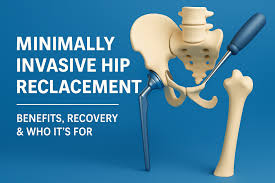
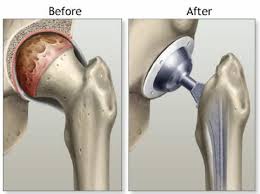
Minimally invasive hip surgery uses advanced techniques that allow surgeons to access the hip joint through smaller incisions. Instead of cutting through large muscles, surgeons carefully separate tissues, which reduces trauma to surrounding structures. Consequently, patients experience less pain, minimal blood loss, and quicker post-operative recovery.
Minimally Invasive Hip Surgery in Harda suits patients who need surgical correction but want a faster return to mobility. This approach supports accurate joint repair or replacement while maintaining natural muscle function. Because the surgery focuses on precision, patients benefit from improved joint movement and long-term stability.
Several hip conditions respond well to minimally invasive techniques. Osteoarthritis commonly causes cartilage wear, stiffness, and chronic pain. Avascular necrosis damages bone tissue due to reduced blood supply, leading to joint collapse if untreated. Hip fractures, post-traumatic arthritis, and early deformities also require surgical correction.
Minimally Invasive Hip Surgery in Harda addresses these conditions by restoring joint alignment and movement without extensive tissue disruption. Surgeons evaluate each case carefully to ensure that the minimally invasive approach suits the patient’s condition. As a result, treatment remains both safe and effective.
Successful outcomes depend on proper evaluation and planning. Before surgery, patients undergo a detailed medical assessment, physical examination, and imaging studies. These steps help surgeons understand joint damage and determine the most suitable surgical approach.
Advanced planning allows precise incision placement and accurate joint correction. Patients also receive guidance regarding pre-surgery preparation, including activity modification and medical optimization. This structured preparation reduces complications and ensures smoother recovery after surgery.
During Minimally Invasive Hip Surgery in Harda, surgeons use specialized instruments and refined techniques to perform the procedure accurately. Smaller incisions limit muscle and tissue disruption, which directly reduces pain and inflammation. Surgeons maintain full control while ensuring proper joint alignment and stability.
Because the procedure preserves surrounding tissues, patients regain strength faster. Additionally, reduced blood loss and shorter operating time contribute to quicker healing. Precision-driven surgery improves joint function and enhances long-term surgical success.
Recovery begins shortly after surgery. Patients start gentle movements under supervision, which improves circulation and prevents stiffness. Gradually, rehabilitation progresses to walking, strengthening exercises, and balance training. This step-by-step recovery plan ensures steady improvement without stressing the joint.
Physiotherapy focuses on restoring flexibility, muscle strength, and coordination. Patients also receive guidance on posture, daily activities, and safe movements. Consistent rehabilitation allows patients to return to routine life faster while protecting the operated hip.
Minimally Invasive Hip Surgery in Harda offers several advantages over traditional hip surgery. Patients experience less post-operative pain, smaller scars, and shorter hospital stays. Faster recovery allows earlier return to work and daily activities.
Moreover, preserved muscle function improves joint movement and long-term stability. Since surgeons focus on accuracy and tissue preservation, patients enjoy better outcomes and reduced risk of complications. These benefits make minimally invasive surgery a preferred option for eligible patients.
Varunam Super Speciality Hospital provides advanced minimally invasive hip surgery with a strong emphasis on safety and patient-centered care. The hospital integrates modern surgical infrastructure, advanced imaging, and structured rehabilitation support.
Under the guidance of Dr. Utsav Agrawal, patients receive careful evaluation, precise surgical correction, and continuous post-operative monitoring. The hospital focuses on ethical practice, clear communication, and long-term joint health. Consequently, patients experience smoother recovery, reduced pain, and reliable surgical outcomes.
Long-term success depends on disciplined post-operative care. Patients should continue physiotherapy exercises, maintain a healthy body weight, and engage in low-impact activities. Regular follow-up visits help monitor joint function and implant health if used.
Avoiding high-impact movements protects the hip joint and ensures lasting results. With proper care and medical guidance, patients maintain mobility, comfort, and independence for years after minimally invasive hip surgery.
Q1. Who is suitable for minimally invasive hip surgery?
Patients with arthritis, AVN, fractures, or hip damage who qualify after medical evaluation can benefit from minimally invasive hip surgery.
Q2. How is minimally invasive hip surgery different from traditional surgery?
This surgery uses smaller incisions, preserves muscles, and allows faster recovery with less pain.
Q3. How soon can patients walk after minimally invasive hip surgery?
Most patients begin walking with support within a short period, depending on their condition and recovery progress.
Q4. Is minimally invasive hip surgery safe?
Yes, when performed with proper planning and expertise, it offers safe and reliable outcomes with reduced complications.
Q5. How long do the benefits of minimally invasive hip surgery last?
With correct care and rehabilitation, patients enjoy long-term pain relief, improved mobility, and sustained joint function.