
Specialist Orthopaedic and Hip Replacement Surgeon

Chief Knee and Hip Replacement, Complex Trauma Surgeon
- M.B.B.S.
- M.S. Orthopaedics
- Fellow in Knee and Hip Replacement, Mumbai
- Fellow In Knee and Hip Surgery, Germany
- Fellow in Knee and Hip Surgery, NHS, Singapore
- Fellowship in Complex and revesion knee and Hip replacement, London, Lancaster, UK
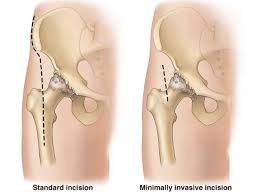
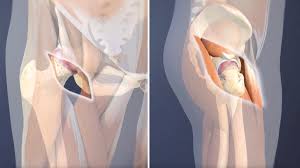
Several hip-related conditions respond well to minimally invasive techniques. Osteoarthritis often causes joint stiffness and persistent pain. Similarly, avascular necrosis damages bone due to poor blood supply. Hip fractures and joint deformities also restrict movement and stability.
Doctors recommend surgery when pain interferes with walking, sitting, and daily activities. Early surgical intervention helps prevent further joint deterioration and improves long-term outcomes.
Successful minimally invasive hip surgery depends on detailed pre-surgical planning. Doctors evaluate imaging studies, joint structure, and movement patterns. This assessment helps determine the best surgical approach and implant positioning.
At Varunam Super Speciality Hospital, patients receive thorough explanations about the procedure and recovery process. Clear communication builds confidence and prepares patients for surgery and rehabilitation.
During minimally invasive hip surgery, surgeons work through smaller incisions to reduce muscle disruption. This method preserves joint-supporting tissues and promotes faster healing. Precision instruments help achieve accurate implant placement.
Additionally, modern alignment techniques improve joint balance and movement. Accurate execution reduces complications and enhances long-term implant durability. Patients often notice quicker improvement in strength and mobility.
Recovery begins soon after surgery with guided movement and physiotherapy. Patients usually start walking early with professional support. Early mobilization improves circulation and muscle strength.
Varunam Super Speciality Hospital offers structured rehabilitation programs tailored to each patient’s progress. Regular monitoring ensures steady recovery and prevents complications. This coordinated care helps patients return to normal activities safely.
Long-term success depends on healthy habits after surgery. Patients should follow physiotherapy routines consistently and remain physically active within advised limits. Low-impact exercises strengthen muscles and protect the joint.
Maintaining a healthy weight reduces stress on the hip. Regular follow-ups help ensure continued joint health and early identification of concerns.
Q1: Who performs minimally invasive hip surgery at Varunam Hospital?
A1: Dr. Utsav Agrawal performs minimally invasive hip surgeries with precision and care. He guides patients through evaluation, surgery, and rehabilitation for optimal results.
Q2: What are the benefits of minimally invasive hip surgery?
A2: Minimally invasive hip surgery offers smaller incisions, less pain, faster recovery, reduced tissue damage, and improved joint function, ensuring better long-term outcomes.
Q3: Does Varunam Hospital provide preoperative and postoperative care?
A3: Yes, patients receive comprehensive preoperative assessments and postoperative care, including wound management, physiotherapy, pain control, and structured rehabilitation.
Q4: How long is recovery after minimally invasive hip surgery?
A4: Recovery depends on individual health, but with early mobilization and structured rehabilitation, most patients regain mobility and resume daily activities within a few weeks.
Q5: Why should I choose Varunam Hospital for minimally invasive hip surgery?
A5: Varunam Hospital, Katni, led by Dr. Utsav Agrawal, combines experienced surgeons, advanced surgical technology, personalized care, and structured rehabilitation to provide safe, effective, and long-term results.