
Specialist Orthopaedic and Hip Replacement Surgeon

Chief Knee and Hip Replacement, Complex Trauma Surgeon
- M.B.B.S.
- M.S. Orthopaedics
- Fellow in Knee and Hip Replacement, Mumbai
- Fellow In Knee and Hip Surgery, Germany
- Fellow in Knee and Hip Surgery, NHS, Singapore
- Fellowship in Complex and revesion knee and Hip replacement, London, Lancaster, UK
Minimally Invasive Hip Surgery in Satna at Varunam Super Speciality Hospital
Hip joint problems, such as arthritis, avascular necrosis, and trauma, can significantly affect mobility, comfort, and daily activities. Therefore, advanced surgical care is necessary when conservative treatments do not provide relief. Minimally invasive hip surgery in Satna at Varunam Super Speciality Hospital offers a modern solution under the guidance of Dr. Utsav Agrawal, a highly skilled orthopedic surgeon. The hospital combines cutting-edge surgical techniques, modern infrastructure, and patient-centered care to ensure optimal results.
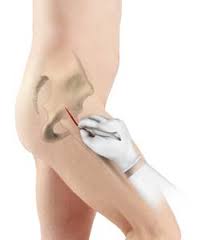
What Is Minimally Invasive Hip Surgery
Minimally invasive hip surgery replaces or repairs the hip joint using small incisions and advanced instruments. Therefore, compared to traditional hip replacement, the procedure causes less trauma to muscles and soft tissues. Pre-surgical planning involves detailed imaging, such as X-rays and CT scans, to design patient-specific surgical strategies. Dr. Utsav Agrawal ensures accurate implant positioning, optimal joint alignment, and minimal tissue disruption.
Patients experience faster pain relief, shorter hospital stays, and quicker return to daily activities. In addition, smaller incisions reduce scarring and post-operative complications. Therefore, minimally invasive hip surgery is an ideal choice for patients who require precise joint reconstruction while minimizing recovery time.
Conditions Treated with Minimally Invasive Hip Surgery
Minimally invasive hip surgery treats several conditions. Osteoarthritis and rheumatoid arthritis are the most common causes of hip degeneration. Avascular necrosis (AVN) leads to bone tissue death due to inadequate blood supply, often requiring surgical intervention. Severe hip fractures, post-traumatic arthritis, and congenital hip deformities may also benefit from minimally invasive techniques.
Dr. Utsav Agrawal carefully evaluates each patient, considering age, activity level, and overall health. Early intervention prevents further joint damage and improves long-term outcomes. Minimally invasive surgery restores joint function, reduces pain, and allows patients to regain mobility faster than conventional procedures. Patients also enjoy improved posture, better walking ability, and increased independence.
Benefits of Minimally Invasive Hip Surgery
Minimally invasive hip surgery offers multiple advantages. Smaller incisions and precise surgical movements reduce muscle and tissue damage. Consequently, patients experience less post-operative pain and faster healing. Advanced technology ensures accurate implant placement, enhancing joint stability and durability. Blood loss is minimized, lowering the risk of complications.
Patients enjoy shorter hospital stays and quicker return to normal activities. Moreover, long-term joint function improves significantly. Structured post-operative rehabilitation accelerates recovery, strengthens muscles, and restores flexibility. As a result, patients experience enhanced mobility, independence, and overall quality of life.
Surgery Process and Recovery
The surgery process begins with detailed pre-operative assessment and planning. Imaging studies and physical evaluation help Dr. Utsav Agrawal design a personalized surgical approach. During the operation, minimally invasive techniques allow precise placement of hip implants while preserving healthy tissue.
After surgery, patients receive structured post-operative care. Pain management, wound care, early mobilization, and physiotherapy support recovery. Dr. Utsav Agrawal monitors progress through regular follow-ups to ensure optimal healing. Most patients resume daily activities within weeks, while full recovery may take a few months. Lifestyle guidance and rehabilitation plans further enhance long-term hip function.
Advanced Facilities at Varunam Super Speciality Hospital
Why Choose Varunam Super Speciality Hospital for Minimally Invasive Hip Surgery
Patients choose Varunam Super Speciality Hospital due to expertise, advanced technology, and comprehensive care. Dr. Utsav Agrawal combines surgical skill with minimally invasive techniques to achieve optimal outcomes. Personalized treatment plans, structured rehabilitation, and continuous monitoring ensure patient safety and satisfaction. Consequently, patients experience long-lasting pain relief, improved joint mobility, and faster recovery. Families trust the hospital for its commitment to ethical care, cutting-edge procedures, and excellent patient support.
FAQs – AVN Treatment in Satna
Q1. Who is eligible for minimally invasive hip surgery?
Patients with severe arthritis, avascular necrosis, post-traumatic hip damage, or congenital hip deformities are suitable candidates.
Q2. Is minimally invasive hip surgery less painful than conventional surgery?
Yes, smaller incisions and precise surgical techniques reduce post-operative pain and tissue damage.
Q3. How long does recovery take after minimally invasive hip surgery?
Most patients resume daily activities within 4–6 weeks, while full recovery may take a few months.
Q4. How long do hip implants last?
Modern implants last 15–20 years with proper care and activity management.
Q5. Who performs minimally invasive hip surgery in Satna?
Dr. Utsav Agrawal leads minimally invasive hip surgery at Varunam Super Speciality Hospital.
Q6. Is physiotherapy required after surgery?
Yes, physiotherapy improves strength, flexibility, and long-term joint function.