
Specialist Orthopaedic and Hip Replacement Surgeon

Chief Knee and Hip Replacement, Complex Trauma Surgeon
- M.B.B.S.
- M.S. Orthopaedics
- Fellow in Knee and Hip Replacement, Mumbai
- Fellow In Knee and Hip Surgery, Germany
- Fellow in Knee and Hip Surgery, NHS, Singapore
- Fellowship in Complex and revesion knee and Hip replacement, London, Lancaster, UK
The hospital’s multidisciplinary approach involves orthopedic specialists, physiotherapists, and pain management experts, ensuring comprehensive care from pre-surgery planning to full recovery. Patients experience minimal post-operative pain, faster mobilization, and a reduced risk of complications such as dislocation or uneven wear
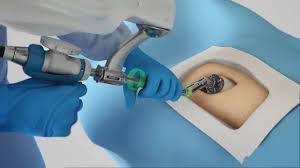
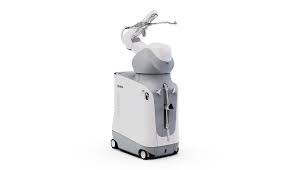
Robotic hip surgery uses cutting‑edge technology to assist surgeons during joint replacement. However, robotic assistance alone cannot guarantee success. Therefore, the surgeon’s skill, judgment, and experience remain crucial. Dr. Utsav Agrawal leverages robotic guidance with his orthopedic expertise to ensure every step is accurate and reliable.
Robotic systems provide real‑time visual feedback that enhances surgical decisions. However, these systems still require human control and clinical insight. Because Dr. Agrawal understands both technology and human anatomy deeply, he can anticipate challenges and adjust techniques in real time. As a result, patients receive more predictable outcomes with fewer complications.
Dr. Utsav Agrawal leads robotic hip replacement at Varunam Super Speciality Hospital with a strong foundation in orthopedic surgery. He assesses each case comprehensively, considering patient age, activity level, joint condition, and lifestyle goals. This detailed evaluation ensures that the robotic hip replacement plan fits each individual’s needs.
Before surgery, Dr. Agrawal reviews imaging studies and creates a 3D surgical plan. Then, with robotic assistance, he performs precise bone preparation and implant positioning. The robot enhances his accuracy, while he retains full surgical control. Because of this teamwork, patients experience improved joint alignment and better long‑term stability.
Choosing Dr. Utsav Agrawal as your robotic hip surgeon offers clear advantages:
- Precision implant positioning for better joint mechanics
- Less tissue damage and minimal post‑operative pain
- Faster recovery and shorter hospital stay
- Improved long‑term mobility and function
- Tailored surgical plans based on individual anatomy
Robotic hip surgery at Varunam Super Speciality Hospital emphasizes early mobilization and structured rehabilitation. Because Dr. Agrawal integrates clinical expertise with robotic precision, patients benefit from both strength and stability in their new joint.
Robotic hip replacement begins with a thorough pre‑surgery evaluation. Dr. Agrawal reviews health history, imaging studies, and physical exam findings to build a customized plan. Then, he uses advanced robotic technology to guide implant placement with precision.
During surgery, the robotic system helps map bone contours and joint alignment. At all times, Dr. Agrawal remains in control, making real‑time decisions that match the patient’s goals. After surgery, patients receive structured care including pain management and physiotherapy. Early mobilization under guided exercises helps restore strength and walking ability quickly.
Varunam Super Speciality Hospital in Jabalpur is a leader in advanced orthopedic solutions, offering Robotic-assisted Hip Replacement with unmatched precision. The hospital combines cutting-edge robotic technology with highly experienced orthopedic surgeons, ensuring accurate implant placement and minimal surgical trauma. This approach significantly reduces complications and accelerates recovery compared to traditional hip replacement procedures.
Patients benefit from personalized surgical planning using 3D imaging and robotic guidance. This ensures the prosthesis is perfectly aligned with the patient’s anatomy, improving joint stability and long-term mobility. Additionally, Varunam prioritizes patient comfort, offering detailed preoperative counseling, customized rehabilitation programs, and regular post-operative follow-ups.
Choosing Varunam Super Speciality Hospital guarantees advanced care, superior outcomes, and a safer, faster path to regaining an active lifestyle.
Q1. What is Robotic-assisted Hip Replacement?
It is a minimally invasive procedure where robotic systems assist surgeons in precisely placing the hip implant, reducing human error and improving long-term joint function.
Q2. Who should consider this surgery?
Patients suffering from severe arthritis, avascular necrosis, or hip deformities who experience chronic pain or reduced mobility are ideal candidates.
Q3. How is recovery different from conventional surgery?
Robotic assistance minimizes tissue damage, resulting in less pain, smaller scars, and faster rehabilitation, with most patients resuming normal activities within 6–8 weeks.
Q4. Is it safe for elderly patients?
Yes. Robotic guidance enhances safety and precision, making it suitable for older patients with careful preoperative evaluation.
Q5. What are the benefits of robotic-assisted hip replacement?
Benefits include precise implant positioning, improved joint stability, reduced post-operative complications, faster recovery, and longer-lasting results.