
Specialist Orthopaedic and Hip Replacement Surgeon

Chief Knee and Hip Replacement, Complex Trauma Surgeon
- M.B.B.S.
- M.S. Orthopaedics
- Fellow in Knee and Hip Replacement, Mumbai
- Fellow In Knee and Hip Surgery, Germany
- Fellow in Knee and Hip Surgery, NHS, Singapore
- Fellowship in Complex and revesion knee and Hip replacement, London, Lancaster, UK
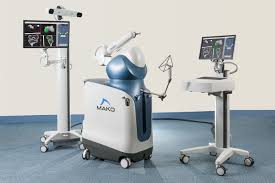
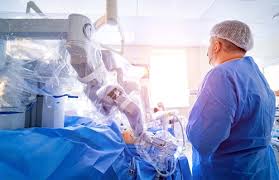
Hip joint problems can drastically affect daily life, causing pain, stiffness, and difficulty performing simple tasks such as walking, climbing stairs, or sitting comfortably. Conditions like osteoarthritis, avascular necrosis (AVN), and post-traumatic injuries often require surgical intervention when medicines, physiotherapy, or lifestyle modifications no longer provide relief. Robotic hip replacement in Betul offers a precise, minimally invasive solution that improves function, reduces pain, and ensures long-term stability. At Varunam Super Speciality Hospital, patients benefit from the expertise of Dr. Utsav Agrawal, who combines advanced robotic technology with personalised surgical care to achieve reliable outcomes.
- Osteoarthritis causing cartilage degeneration and bone friction
- Avascular necrosis (AVN) leading to bone collapse
- Hip fractures unsuitable for conventional fixation
- Post-traumatic arthritis following previous injuries Patients who delay treatment often experience worsening pain and reduced independence. Early evaluation ensures that Dr. Utsav Agrawal can recommend the most suitable approach, whether robotic-assisted or conventional surgery, based on individual anatomy, activity level, and lifestyle needs.
Robotic-assisted hip replacement offers multiple advantages over traditional surgery. Patients experience:
- Precise implant placement for optimal alignment and joint stability
- Preservation of surrounding healthy tissue and bone
- Reduced post-operative pain, swelling, and discomfort
- Shorter hospital stay and faster return to daily activities
Additionally, the technology enables customised surgical planning, ensuring that implants fit perfectly with the patient’s anatomy. As a result, patients benefit from improved long-term joint function and higher satisfaction rates.
Varunam Super Speciality Hospital is equipped with state-of-the-art infrastructure to support robotic hip replacement. The hospital provides:
- Advanced operating theatres with robotic-assisted systems for high-precision surgery
- High-resolution imaging facilities, including X-ray, CT scan, and MRI for accurate preoperative planning
- Top-quality implants and surgical instruments for durable results
- Dedicated physiotherapy and rehabilitation units for structured post-operative care
These facilities ensure that patients in Betul receive safe, high-standard surgical care comparable to leading metropolitan hospitals, without compromising outcomes.
Successful robotic hip replacement begins with careful preparation. Patients undergo:
- Comprehensive blood tests and imaging for accurate diagnosis
- Nutritional and lifestyle guidance to optimise healing
- Education about the surgical process, potential risks, and expected recovery
- Planning for post-operative rehabilitation and physiotherapy
Dr. Utsav Agrawal ensures patients are well-informed and confident before surgery. Preparing the body, mind, and environment for recovery significantly enhances outcomes and reduces complications.
Post-operative rehabilitation is critical for regaining strength, flexibility, and mobility. Recovery at Varunam Super Speciality Hospital includes:
- Early guided movement and gentle exercises to prevent stiffness
- Weight-bearing training under professional supervision
- Balance and gait exercises to restore independence
- Long-term strengthening and endurance routines
Structured physiotherapy and regular follow-ups with Dr. Utsav Agrawal ensure that patients regain functional mobility and enjoy a pain-free life. The hospital team monitors progress carefully, adjusting rehabilitation plans to each patient’s needs.
- Precision-guided implant placement tailored to the patient’s anatomy
- Smaller incisions and minimal tissue damage for faster recovery
- Reduced hospital stay and quicker return to normal activities
- Lower risk of complications such as dislocation or misalignment
Robotic-assisted surgery improves surgical accuracy and long-term outcomes, allowing patients to regain confidence and mobility with reduced post-operative challenges.
Maintaining hip health after surgery is essential for prolonged joint function. Patients are advised to:
- Follow physiotherapy and exercise routines consistently
- Maintain a healthy weight to reduce stress on the joint
- Avoid high-impact activities until cleared by the surgeon
- Use proper posture and safe movement during daily activities
- Attend regular follow-ups with Dr. Utsav Agrawal
These measures help prevent complications, ensure long-term implant longevity, and allow patients to enjoy an active lifestyle.
Q1. Who performs robotic hip replacement at Varunam Super Speciality Hospital?
All procedures are performed and supervised by Dr. Utsav Agrawal.
Q2. How long does recovery take?
Most patients regain walking ability within weeks, with full functional recovery achieved over several months under physiotherapy guidance.
Q3. Is robotic hip replacement safer than conventional surgery?
Yes, robotic-assisted surgery allows precise implant placement, reduces tissue trauma, and minimises complications.
Q4. Who is a suitable candidate for robotic hip replacement?
Patients with chronic hip pain, arthritis, AVN, or post-traumatic hip degeneration not relieved by conservative treatment may benefit.
Q5. When can patients resume normal activities?
Patients can gradually return to daily activities, while high-impact or strenuous movements should be avoided until full recovery.