
Specialist Orthopaedic and Hip Replacement Surgeon

Chief Knee and Hip Replacement, Complex Trauma Surgeon
- M.B.B.S.
- M.S. Orthopaedics
- Fellow in Knee and Hip Replacement, Mumbai
- Fellow In Knee and Hip Surgery, Germany
- Fellow in Knee and Hip Surgery, NHS, Singapore
- Fellowship in Complex and revesion knee and Hip replacement, London, Lancaster, UK
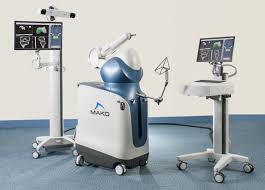
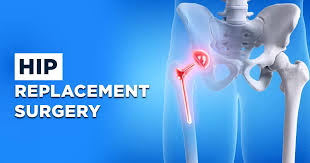
Traditional hip replacement requires manual techniques that may carry risks of inaccurate implant placement or misalignment. Robotic-assisted hip replacement improves surgical precision by using computer-assisted planning, 3D imaging, and robotic guidance. As a result, surgeons achieve exact implant positioning, optimal alignment, and stable joint function. Patients experience less post-operative pain, reduced risk of complications, and faster rehabilitation. Moreover, precise surgery extends the longevity of the hip implant, improving long-term quality of life.
Robotic Hip Replacement in Harda also benefits patients who have complex hip anatomy or previous hip surgeries. The technology allows surgeons to adjust the procedure in real-time, tailoring the approach to each patient. Consequently, patients recover with improved mobility and confidence, returning to daily activities more quickly than conventional hip replacement patients.
The hospital treats a wide range of hip conditions with robotic-assisted surgery. Patients suffering from osteoarthritis, AVN, fractures, hip dysplasia, or post-traumatic arthritis receive individualized care. Additionally, patients with deformities, congenital hip issues, or joint degeneration benefit from precise implant positioning and alignment. Dr. Utsav Agrawal evaluates each patient thoroughly using clinical assessment, X-rays, and CT scans to develop a customized surgical plan. By addressing specific hip problems effectively, the surgery reduces pain, restores joint function, and improves the patient’s ability to walk, sit, and move comfortably.
Before undergoing surgery, patients receive a comprehensive pre-operative assessment. Doctors review medical history, perform physical examinations, and order imaging studies such as X-rays, CT scans, or MRI. Robotic software generates a detailed 3D model of the patient’s hip, allowing surgeons to plan implant size, orientation, and position with exact precision.
Additionally, anesthesiologists evaluate the patient’s overall health and provide instructions for pre-surgical preparation. Patients and families receive thorough guidance on what to expect before, during, and after surgery. This preparation reduces anxiety, improves surgical accuracy, and ensures patients feel informed and confident throughout the process.
During Robotic Hip Replacement in Harda, surgeons use robotic-assisted tools to perform the operation with high precision. Small incisions minimize tissue damage, reduce blood loss, and lower infection risks. The robot assists in bone preparation, implant alignment, and positioning, while the surgeon maintains full control. This combination of human expertise and robotic accuracy ensures optimal hip function and longevity of the implant.
Minimally invasive techniques also result in smaller scars and faster recovery. Patients often report less post-operative pain and quicker return to mobility. Furthermore, robotic guidance allows surgeons to make real-time adjustments during surgery, ensuring precise placement of the hip implant, even in patients with complex anatomy or previous surgical interventions.
Robotic Hip Replacement in Harda offers several advantages over traditional surgery. The robot enhances surgical accuracy, ensuring proper implant placement and alignment. Patients experience less post-operative pain, faster recovery, and minimal scarring. Precise surgery reduces the risk of complications such as dislocation, leg-length discrepancy, or implant wear. Additionally, patients benefit from improved joint stability and longevity, maintaining mobility and quality of life for years.
The technology also enables customized surgical planning for each patient, accounting for unique anatomy and prior conditions. Consequently, patients enjoy better outcomes, quicker rehabilitation, and a safer surgical experience.
Maintaining hip health after surgery is essential. Patients should follow physiotherapy routines, perform low-impact exercises, maintain a healthy weight, and attend regular follow-ups. Avoiding high-impact activities until cleared by the surgeon protects the implant and ensures joint longevity. By following these steps, patients preserve mobility, reduce pain, and maintain the benefits of robotic hip replacement for years.
Q1. Who performs robotic hip replacements at Varunam Super Speciality Hospital?
Dr. Utsav Agrawal and his expert surgical team perform all robotic hip replacement surgeries, ensuring precision and safety.
Q2. Which conditions are treated with robotic hip replacement?
The hospital treats osteoarthritis, AVN, hip fractures, hip dysplasia, post-traumatic arthritis, and other degenerative hip conditions.
Q3. Are minimally invasive techniques used during robotic hip surgery?
Yes, the hospital uses minimally invasive approaches to reduce pain, scarring, and hospital stay.
Q4. How long does recovery take after robotic hip replacement?
Recovery varies, but structured rehabilitation generally allows patients to resume normal activities within a few weeks.
Q5. What are the benefits of robotic hip replacement?
Robotic surgery ensures precise implant placement, improved joint stability, faster recovery, minimal pain, and long-term hip function.