Varunam Super Speciality Hospital

Specialist Orthopaedic and Hip Replacement Surgeon

Best h replacement surgeon in nagpur

Chief Knee and Hip Replacement, Complex Trauma Surgeon

Experience : 15 years / 15000+ Successfully Surgery completed
Edit Template

Spine Surgery in Chhindwara

Spine Surgery in Chhindwara focuses on treating structural spinal problems that interfere with movement, posture, and nerve function. Therefore, doctors recommend surgery only when conservative methods fail to control symptoms or restore stability. Moreover, spinal care today follows a patient-centric approach that prioritises safety, accuracy, and long-term function. As a result, patients receive treatments aligned with their specific spinal condition rather than generic solutions. In addition, spine surgery addresses both pain relief and neurological protection. Consequently, careful evaluation ensures that surgical correction targets the exact cause of symptoms. This approach builds confidence and helps patients understand the medical reasoning behind surgical decisions.
Spine Surgery in Chhindwara
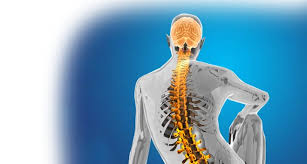
Several spinal disorders may require surgical intervention when symptoms progress. Therefore, conditions such as disc herniation, spinal canal narrowing, vertebral instability, and degenerative spinal changes often undergo surgical evaluation. Moreover, nerve compression may cause persistent pain, tingling, or weakness that affects daily activities. In addition, spinal alignment issues can influence posture and balance. Consequently, doctors assess how these changes impact mobility and overall function. Surgical care becomes appropriate only when imaging findings match clinical symptoms, ensuring responsible and effective treatment planning.
Spine Surgery in Chhindwara at Varunam Hospital follows a structured and quality-driven care model. Therefore, patients benefit from coordinated evaluation, surgical planning, and post-procedure monitoring within a single healthcare system. Moreover, advanced infrastructure supports accurate and controlled spinal procedures. Clinical governance and treatment protocols operate under the leadership oversight of Dr. Utsav Agrawal, who ensures consistency, safety, and adherence to ethical medical standards. Consequently, Varunam Hospital maintains reliable outcomes and patient trust across spine care services.
Accurate diagnosis forms the backbone of successful spine surgery. Therefore, specialists conduct detailed physical examinations alongside imaging studies such as MRI and CT scans. Moreover, neurological assessments help identify nerve involvement and functional impairment. In addition, surgeons design personalised treatment plans based on spinal anatomy, symptom severity, and patient goals. Consequently, surgery remains targeted and precise rather than excessive. This careful planning process improves predictability and aligns expectations between doctors and patients.
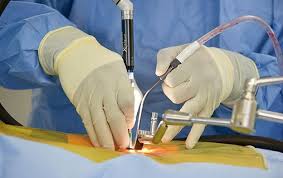
Modern spine surgery relies on refined techniques that enhance accuracy and control. Therefore, surgeons focus on precise decompression, alignment correction, and stabilisation using standardised surgical principles. Moreover, controlled tissue handling protects surrounding muscles and nerves. In addition, consistent intraoperative protocols reduce variability and enhance safety. Consequently, patients benefit from reliable surgical execution and structural spinal support. These advancements strengthen outcomes and improve confidence in spinal procedures.
Patient safety remains central to spinal surgical care. Therefore, hospitals follow strict sterilisation procedures, infection control measures, and perioperative monitoring standards. Moreover, clinical teams adhere to evidence-based guidelines throughout treatment. At Varunam Hospital, continuous audits and outcome monitoring reinforce accountability. Consequently, patients receive care within a medically controlled environment where precision and transparency guide every stage of surgery.
Sustained spine health depends on structured follow-up care. Therefore, scheduled reviews allow doctors to evaluate spinal alignment, nerve response, and functional progress. Moreover, patients receive guidance on posture awareness and activity balance. In addition, follow-up visits support early identification of spinal concerns. Consequently, proactive medical supervision protects long-term spinal stability. This continuity of care strengthens surgical benefits and promotes lasting functional improvement.

1. When do doctors suggest spine surgery

Doctors suggest spine surgery when structural problems cause ongoing pain or neurological symptoms. Imaging and clinical findings guide this decision carefully.

2. How is spine surgery planned

Specialists use physical examination and advanced imaging to plan surgery. This process ensures precise and responsible treatment.

3. Is spine surgery performed under strict safety standards

Yes, spine surgery follows established safety and quality protocols. These measures protect patients throughout treatment.

4. Why is follow-up important after spine surgery

Follow-up visits help doctors monitor spinal stability and nerve function. Regular reviews support long-term outcomes.

5. How does hospital infrastructure affect spine surgery

Advanced infrastructure supports surgical accuracy and patient safety. A controlled environment improves treatment consistency.