Varunam Super Speciality Hospital

Specialist Orthopaedic and Hip Replacement Surgeon

Best h replacement surgeon in nagpur

Chief Knee and Hip Replacement, Complex Trauma Surgeon

Experience : 15 years / 15000+ Successfully Surgery completed
Edit Template

Total Knee replacement Rewa

Quick Recovery Hip Surgery In Adilabad focuses on improving patient comfort, mobility, and functional outcomes through refined surgical planning and coordinated care pathways. Therefore, this approach aims to minimise surgical stress while maintaining clinical accuracy and safety. Moreover, advances in orthopaedic techniques and perioperative management support smoother transitions through each stage of treatment. As a result, patients experience improved confidence and clarity throughout their care journey.

In addition, quick recovery strategies emphasise patient education and structured care coordination. Consequently, individuals understand treatment expectations and actively participate in their health decisions. This model supports both physical progress and emotional reassurance during the surgical process.
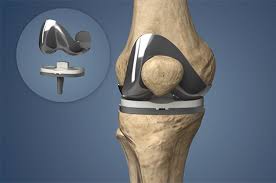
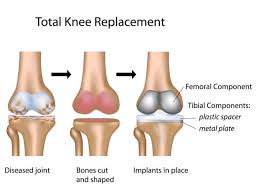
Total Knee replacement Rewa
Several knee disorders may progress to a stage where surgery offers the most effective solution. Therefore, advanced osteoarthritis, inflammatory joint disease, and severe cartilage wear commonly lead to surgical evaluation. Moreover, persistent knee pain, stiffness, and reduced walking ability often indicate structural joint damage. In addition, deformities such as bow-leg or knock-knee alignment place uneven stress on the joint. Consequently, untreated imbalance accelerates cartilage deterioration. Surgical correction becomes appropriate only when imaging findings correlate with functional limitations, ensuring responsible and effective care planning.
Total Knee replacement Rewa services at Varunam Hospital follow a structured and quality-focused clinical model. Therefore, patients receive coordinated evaluation, surgical planning, and postoperative monitoring within a controlled healthcare environment. Moreover, modern operation theatres support accurate implant placement and surgical consistency. Clinical governance and quality assurance operate under the leadership oversight of Dr. Utsav Agrawal, ensuring adherence to safety protocols and evidence-based practices. Consequently, Varunam Hospital maintains reliable outcomes while prioritising patient safety and transparency throughout the treatment process.
Comprehensive preoperative assessment forms the foundation of successful knee replacement. Therefore, specialists conduct detailed clinical examinations supported by imaging studies such as X-rays and alignment analysis. Moreover, doctors assess muscle strength, ligament balance, and joint range of motion. In addition, surgeons design personalised surgical plans based on joint anatomy and functional goals. Consequently, implant selection and alignment strategies remain customised rather than standardised. This planning process improves predictability and aligns patient expectations with realistic surgical outcomes.
Advancements in knee replacement techniques have improved procedural accuracy and joint balance. Therefore, surgeons focus on precise bone preparation and controlled soft tissue handling. Moreover, refined surgical workflows support consistent implant positioning and alignment correction. In addition, standardised intraoperative protocols reduce variability during surgery. Consequently, patients benefit from improved joint mechanics and structural stability. These modern techniques enhance confidence in surgical outcomes and support long-term joint function.
Postoperative care plays a crucial role in knee replacement success. Therefore, medical teams closely monitor joint stability, pain control, and early movement patterns. Moreover, structured rehabilitation guidance supports muscle strengthening and joint coordination. In addition, physiotherapists collaborate with surgeons to tailor movement plans according to individual progress. Consequently, patients receive consistent guidance that promotes safe activity and functional confidence. This coordinated care approach supports long-term joint performance.
Safety remains central to knee replacement care. Therefore, hospitals follow strict sterilisation protocols, infection control practices, and patient monitoring standards. Moreover, surgical teams adhere to established clinical guidelines throughout treatment. At Varunam Hospital, continuous audits and outcome reviews reinforce accountability and transparency. Consequently, patients benefit from a controlled medical environment where precision and patient safety guide every stage of care.
Sustained knee health requires ongoing medical supervision after surgery. Therefore, scheduled follow-up visits allow doctors to assess implant position, joint alignment, and functional progress. Moreover, patients receive guidance on posture awareness and activity balance. In addition, long-term monitoring supports early identification of joint concerns. Consequently, proactive care preserves surgical benefits and supports lasting mobility. This continuity of care strengthens overall quality of life after knee replacement.

1. When do doctors recommend total knee replacement

Doctors recommend surgery when knee damage causes persistent pain and limits daily activities. Clinical findings and imaging guide this decision.

2. How is knee replacement surgery planned

Specialists evaluate joint structure, alignment, and function before surgery. This ensures precise and patient-specific planning.

3. Is total knee replacement a safe procedure

The procedure follows established safety and quality standards. Careful protocols protect patients throughout treatment.

4. Why is rehabilitation important after knee replacement

Rehabilitation supports muscle strength and joint coordination. It helps patients regain functional confidence.

5. How often are follow-up visits required

Doctors schedule regular follow-ups to monitor joint performance. These visits support long-term surgical success.