
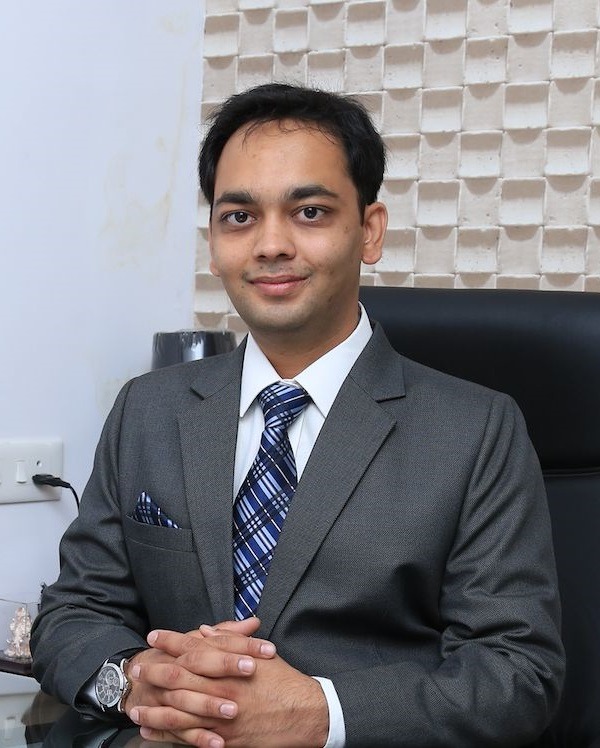
- M.B.B.S.
- M.S. Orthopaedics
- Fellow in Knee and Hip Replacement, Mumbai
- Fellow In Knee and Hip Surgery, Germany
- Fellow in Knee and Hip Surgery, NHS, Singapore
- Fellowship in Complex and revesion knee and Hip replacement, London, Lancaster, UK
Choosing neuro surgery in Mandla at Varunam Super Speciality Hospital ensures expert care for complex neurological conditions. The hospital focuses on precise diagnosis, personalized surgical planning, and advanced operative techniques to achieve optimal outcomes.
From initial neurological assessment and imaging evaluation to surgery and post-operative monitoring, every stage of treatment is carefully managed. Rehabilitation programs support recovery of strength, coordination, and neurological function while minimizing complications. Continuous follow-up ensures long-term stability and improved quality of life.
For patients suffering from brain or spinal disorders, nerve-related conditions, or neurological trauma, opting for neuro surgery in Mandla at Varunam Super Speciality Hospital provides specialized expertise, modern facilities, and comprehensive care, enabling safe recovery and improved neurological health.
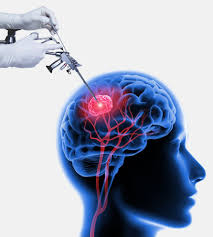
Neurosurgical intervention addresses a wide variety of serious conditions, including:
- Brain tumours and cysts requiring excision or decompression
- Aneurysms and vascular malformations of the brain or spinal cord
- Herniated discs causing nerve compression and chronic pain
- Spinal cord injuries or vertebral fractures affecting mobility
- Chronic headaches or nerve disorders requiring decompression
Early diagnosis and surgical treatment prevent disease progression, reduce neurological deficits, and improve patient outcomes. Dr. Utsav Agrawal evaluates each patient carefully to determine the optimal timing and method of surgery.
At Varunam Super Speciality Hospital, neurosurgical techniques are tailored to the patient’s condition, including:
- Cranial surgeries for tumour removal, aneurysm repair, or decompression
- Spinal surgeries for disc herniation, spinal stenosis, or trauma
- Minimally invasive neurosurgery for faster recovery and smaller incisions
- Endoscopic procedures for precise access to complex regions
- Stereotactic and image-guided surgeries for accurate targeting of lesions
Dr. Utsav Agrawal ensures that every procedure is planned meticulously, prioritising patient safety and optimal outcomes.
Varunam Super Speciality Hospital offers advanced infrastructure and technology to support neurosurgical care:
- State-of-the-art operation theatres with real-time imaging guidance
- MRI and CT scan facilities for precise diagnosis and surgical planning
- Sterile surgical environments with high-quality instruments and implants
- Dedicated neuro-intensive care units (NICU) for post-operative monitoring
These facilities ensure that each patient receives world-class neurosurgical care with maximum safety and efficiency.
- Smaller incisions with reduced tissue damage
- Lower risk of infection and post-operative complications
- Shorter hospital stay with faster functional recovery
- Enhanced precision through image-guided and endoscopic tools
Minimally invasive approaches are particularly effective for spinal and cranial procedures, providing high accuracy while minimising trauma.
Dr. Utsav Agrawal brings extensive experience in both brain and spinal surgeries. His patient-centred approach combines careful diagnosis, meticulous planning, and advanced surgical techniques. Dr. Agrawal emphasises clear communication, allowing patients and families to understand the condition, the surgical plan, and expected outcomes. With his expertise, patients undergoing neuro surgery in Mandla receive world-class care that balances technical precision with compassionate support.
Long-term success after neurosurgery requires careful lifestyle management:
- Adhere strictly to post-operative medications and therapy
- Maintain a healthy diet to support recovery and nerve health
- Engage in physiotherapy and mobility exercises as recommended
- Avoid high-risk activities until cleared by the surgeon
- Attend all follow-up appointments for monitoring progress
These strategies support sustained neurological function and reduce the risk of complications over time.
Varunam Super Speciality Hospital in Mandla offers advanced neuro surgery services for patients suffering from brain, spine, and nervous system disorders. The hospital combines experienced neurosurgeons, modern diagnostic facilities, and advanced surgical infrastructure to provide safe and precise neurological care.
Equipped with state-of-the-art operation theatres, advanced imaging technologies, and intensive care support, Varunam ensures accurate diagnosis and effective neurosurgical treatment. The hospital manages conditions such as brain injuries, spinal cord disorders, nerve compression, tumors, and traumatic neurological emergencies. A patient-centric approach, strict safety protocols, and structured post-operative care make Varunam Super Speciality Hospital a trusted center for neuro surgery in Mandla.
Q1. When should a patient consult a neurosurgeon?
Patients should consult a neurosurgeon for persistent headaches, nerve weakness, spinal pain, seizures, head injuries, or neurological symptoms.
Q2. What conditions are treated under neuro surgery?
Neuro surgery treats brain tumors, spinal disorders, nerve compression, traumatic brain injuries, and congenital neurological conditions.
Q3. Is neuro surgery safe?
Yes. With experienced neurosurgeons, modern technology, and proper post-operative care, neuro surgery is safe and effective.
Q4. Are minimally invasive neuro surgeries available?
Yes. Whenever suitable, minimally invasive techniques are used to reduce surgical risk and recovery time.
Q5. What is the recovery time after neuro surgery?
Recovery varies depending on the condition and procedure, but structured rehabilitation and follow-up care support faster healing.