Varunam Super Speciality Hospital

Specialist Orthopaedic and Hip Replacement Surgeon

Best h replacement surgeon in nagpur

Chief Knee and Hip Replacement, Complex Trauma Surgeon

Experience : 15 years / 15000+ Successfully Surgery completed
Edit Template

Precision Hip Replacement In Balaghat

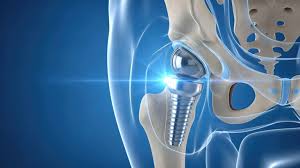
Precision Hip Replacement In Balaghat focuses on restoring hip joint function through highly accurate surgical planning and execution. Therefore, this approach aims to correct joint damage while preserving natural movement patterns. Moreover, precision-based methods help surgeons align implants carefully according to individual anatomy. As a result, patients experience improved joint balance and functional stability in daily activities. In addition, precision hip replacement prioritises accuracy over routine intervention. Consequently, doctors evaluate joint structure, muscle balance, and biomechanical alignment before recommending surgery. This personalised strategy strengthens patient confidence and supports predictable surgical outcomes.
Precision Hip Replacement In Balaghat
Several hip disorders may progress to a point where surgery offers meaningful improvement. Therefore, advanced arthritis, avascular necrosis, severe cartilage degeneration, and post-traumatic joint damage often require surgical evaluation. Moreover, persistent hip pain and reduced walking tolerance signal deeper structural involvement. In addition, abnormal joint alignment increases stress on surrounding muscles and ligaments. Consequently, untreated imbalance accelerates joint deterioration. Surgical correction becomes appropriate only when diagnostic findings clearly explain functional limitations, ensuring responsible and effective treatment planning.
Precision Hip Replacement In Balaghat at Varunam Hospital follows a structured and quality-driven clinical pathway. Therefore, patients benefit from coordinated evaluation, precise surgical execution, and continuous postoperative supervision within a single healthcare system. Moreover, advanced operation theatres support accurate implant positioning and controlled surgical workflows. Clinical governance and quality monitoring operate under the leadership oversight of Dr. Utsav Agrawal, who ensures adherence to safety protocols and evidence-based practices. Consequently, Varunam Hospital maintains consistent outcomes while prioritising patient safety and transparency throughout hip replacement care.
Accurate diagnosis forms the foundation of precision hip replacement. Therefore, specialists conduct detailed physical examinations supported by imaging studies such as X-rays and MRI scans. Moreover, assessment of bone quality, joint alignment, and muscle strength guides surgical decisions. In addition, surgeons develop personalised surgical plans that match patient anatomy and functional needs. Consequently, implant selection and positioning remain individualised rather than standardised. This detailed planning improves predictability and helps patients understand treatment objectives clearly.
Precision hip replacement relies on refined surgical techniques that enhance accuracy and control. Therefore, surgeons focus on precise bone preparation and careful soft-tissue handling. Moreover, alignment correction occurs through controlled and measured steps during surgery. In addition, standardised intraoperative protocols reduce variability. Consequently, patients benefit from consistent surgical execution and improved joint mechanics. These advancements demonstrate how precision-based techniques support long-term joint stability and functional performance.
Postoperative care plays a vital role in achieving successful surgical outcomes. Therefore, medical teams closely monitor joint stability, comfort levels, and early functional movement. Moreover, structured guidance helps patients understand safe daily activities. In addition, physiotherapists collaborate with surgeons to provide personalised movement instructions. Consequently, patients receive coordinated support that encourages confidence and controlled mobility. This integrated care approach supports functional improvement while maintaining safety.
Patient safety remains central to precision hip replacement. Therefore, hospitals implement strict sterilisation procedures, infection control measures, and perioperative monitoring standards. Moreover, clinical teams follow nationally recognised treatment guidelines. At Varunam Hospital, continuous audits and outcome evaluations reinforce accountability and quality. Consequently, patients receive care in a controlled medical environment where precision, ethics, and patient wellbeing guide every stage of treatment.
Sustained hip health requires consistent follow-up after surgery. Therefore, scheduled reviews allow doctors to assess joint alignment, implant position, and functional progress. Moreover, patients receive guidance on posture awareness and activity balance. In addition, long-term monitoring supports early identification of joint-related concerns. Consequently, proactive care preserves surgical benefits and promotes lasting mobility. This continuity of care enhances overall quality of life following hip replacement.

1. When do doctors recommend precision hip replacement

Doctors recommend surgery when hip joint damage causes persistent pain and functional limitation. Clinical assessment and imaging guide this decision.

2. How is precision hip replacement planned

Surgeons evaluate joint structure, alignment, and muscle balance. This process supports personalised surgical planning.

3. Is precision hip replacement safe

The procedure follows strict safety and quality standards. Established protocols protect patients throughout treatment.

4. Why is postoperative monitoring important

Monitoring helps assess joint stability and functional progress. It supports safe long-term outcomes.

5. How do follow-up visits help after hip replacement

Follow-ups allow doctors to track joint performance and address concerns early. Regular reviews support lasting hip health.