

- M.B.B.S.
- M.S. Orthopaedics
- Fellow in Knee and Hip Replacement, Mumbai
- Fellow In Knee and Hip Surgery, Germany
- Fellow in Knee and Hip Surgery, NHS, Singapore
- Fellowship in Complex and revesion knee and Hip replacement, London, Lancaster, UK
Choosing robotic hip surgery in Mandla at Varunam Super Speciality Hospital ensures advanced orthopedic care supported by cutting-edge technology. The hospital focuses on patient-specific surgical planning, robotic precision, and minimally invasive approaches to achieve optimal results.
From digital evaluation and robotic-assisted surgery to post-operative rehabilitation, every stage of treatment is carefully managed. Rehabilitation programs emphasize restoring joint movement, balance, and independence while reducing complications. Continuous follow-up ensures long-term joint stability and improved quality of life.
For patients suffering from chronic hip pain, mobility limitations, or advanced hip disorders, opting for robotic hip surgery in Mandla at Varunam Super Speciality Hospital provides expert surgical care, modern robotic technology, and comprehensive recovery support, enabling a safe and confident return to daily activities.
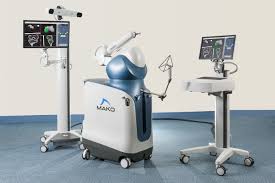
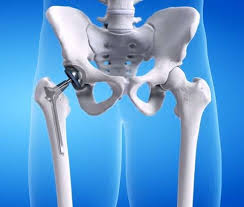
Robotic-assisted hip surgery offers several advantages over conventional methods:
- Enhanced precision in implant placement, reducing wear and misalignment
- Minimally invasive technique that preserves healthy tissue
- Reduced post-operative pain and quicker recovery
- Lower risk of complications like dislocation or leg length discrepancy
- Improved long-term function and joint stability
These benefits make robotic hip surgery a preferred option for patients seeking durable and effective hip solutions.
Candidates for robotic hip surgery typically include patients with:
- Advanced osteoarthritis causing chronic pain and stiffness
- Avascular necrosis affecting the femoral head
- Hip fractures or trauma requiring joint replacement
- Patients with failed previous hip surgeries needing revision
- Individuals seeking faster recovery and precise surgical outcomes
Dr. Utsav Agrawal evaluates each patient carefully, ensuring that robotic-assisted surgery is the most appropriate and effective treatment.
Successful robotic hip surgery begins with a comprehensive pre-operative assessment. Patients undergo a complete medical evaluation, imaging studies, and physical examination. The robotic system uses 3D planning to map the patient’s anatomy, allowing precise implant sizing and alignment. Patients are informed about the surgical procedure, expected outcomes, and recovery milestones. This detailed planning ensures safety, improves accuracy, and enhances overall patient confidence.
Robotic hip surgery involves small incisions and precise guidance from the robotic system. The robot assists the surgeon in:
- Positioning the implant with millimetric accuracy
- Removing damaged bone while preserving healthy tissue
- Ensuring optimal joint alignment and stability
Dr. Utsav Agrawal supervises the entire procedure, combining robotic precision with surgical expertise for optimal results. The minimally invasive approach reduces tissue trauma and shortens hospital stays.
- Smaller incisions lower infection risk
- Accurate implant placement prevents complications
- Minimal tissue disruption reduces post-operative pain
- Faster return to daily activities
Robotic technology enhances surgical precision, making hip replacement safer and more effective while optimising long-term outcomes.
Dr. Utsav Agrawal brings extensive experience in hip replacement and robotic-assisted procedures. His approach focuses on patient safety, personalised surgical planning, and precise execution. Patients undergoing robotic hip surgery in Mandla benefit from his expertise, advanced technology, and compassionate guidance throughout the surgical journey. Dr. Agrawal ensures that every patient receives tailored care, from diagnosis to complete recovery.
Varunam Super Speciality Hospital provides modern facilities to support robotic-assisted hip procedures:
- State-of-the-art operating theatres equipped with robotic systems
- Pre-operative 3D planning software for accurate implant alignment
- Dedicated post-operative rehabilitation units
- Comprehensive monitoring and critical care services
These facilities ensure safe surgical procedures and enhanced outcomes for patients undergoing robotic hip surgery.
Maintaining hip health after surgery is essential:
- Follow prescribed rehabilitation and physiotherapy routines
- Engage in low-impact exercises to strengthen hip muscles
- Maintain a healthy weight to reduce stress on the joint
- Attend regular follow-ups with Dr. Utsav Agrawal
- Avoid high-impact activities until cleared by the surgeon
These practices support recovery, enhance mobility, and prolong the lifespan of the hip implant.
Varunam Super Speciality Hospital in Mandla provides advanced robotic hip surgery, delivering high-precision orthopedic care for patients suffering from complex hip joint conditions. By integrating robotic technology with expert surgical skills, the hospital ensures accurate joint alignment, improved implant positioning, and better functional outcomes.
The hospital is equipped with state-of-the-art robotic systems, modern operation theatres, and experienced orthopedic surgeons trained in robotic-assisted procedures. Robotic hip surgery allows for detailed pre-surgical planning and controlled execution, minimizing tissue damage and improving joint balance. Combined with structured post-operative care and physiotherapy, Varunam Super Speciality Hospital has become a trusted center for robotic hip surgery in Mandla.
Q1. What is robotic hip surgery?
Robotic hip surgery uses computer-assisted robotic technology to help surgeons perform hip procedures with enhanced accuracy and control.
Q2. Which conditions are treated with robotic hip surgery?
Conditions such as severe arthritis, avascular necrosis, hip fractures, and advanced joint degeneration are commonly treated.
Q3. Is robotic hip surgery safer than conventional surgery?
Yes. Robotic assistance improves precision, reduces surgical errors, and supports better implant placement.
Q4. Does robotic hip surgery offer faster recovery?
Yes. Reduced tissue damage and accurate surgery often result in less pain and quicker rehabilitation.
Q5. Is physiotherapy required after robotic hip surgery?
Yes. Structured physiotherapy is essential to restore mobility, strength, and normal walking patterns.