

- M.B.B.S.
- M.S. Orthopaedics
- Fellow in Knee and Hip Replacement, Mumbai
- Fellow In Knee and Hip Surgery, Germany
- Fellow in Knee and Hip Surgery, NHS, Singapore
- Fellowship in Complex and revesion knee and Hip replacement, London, Lancaster, UK
Hip pain, stiffness, and limited mobility affect daily life, making simple movements like walking, sitting, or climbing stairs difficult. Robotic Hip Surgery in Harda offers advanced solutions with high precision and minimally invasive techniques. At Varunam Super Speciality Hospital, Dr. Utsav Agrawal leads a skilled surgical team, combining robotic technology, expert planning, and personalized care to restore hip function, relieve pain, and improve quality of life. Patients experience faster recovery, reduced post-operative discomfort, and long-lasting results.
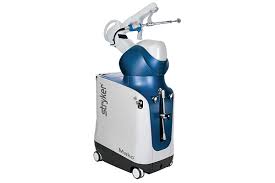
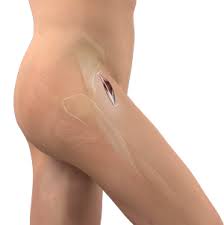
Hip replacement or reconstruction becomes necessary when conditions like osteoarthritis, avascular necrosis (AVN), fractures, or hip dysplasia do not respond to medication, physiotherapy, or injections. Robotic Hip Surgery ensures precise implant alignment, optimal positioning, and joint stability. This approach minimizes post-operative complications, accelerates rehabilitation, and provides long-term joint functionality.
Dr. Utsav Agrawal uses advanced 3D imaging and robotic guidance to plan and execute surgery with accuracy. Robotic technology helps tailor procedures to individual patient anatomy, especially in complex cases or previous hip surgeries. Patients regain mobility faster, reduce pain, and return to daily activities safely under expert supervision.
Successful robotic hip surgery begins with comprehensive pre-operative planning. Patients undergo medical history review, physical examination, and imaging to assess the condition of the hip joint. Advanced robotic software generates a 3D model of the patient’s hip, which helps surgeons plan precise implant placement, orientation, and alignment.
Anesthesiologists assess overall health and provide detailed instructions for surgery preparation. Patients receive clear guidance about what to expect before, during, and after surgery. This preparation not only improves surgical accuracy but also reduces patient anxiety and ensures a smooth recovery process.
During robotic hip surgery, surgeons use specialized robotic-assisted tools to perform the procedure with precision. The robot helps with bone preparation and implant alignment, while the surgeon maintains full control throughout the operation. Minimally invasive techniques allow smaller incisions, less tissue damage, reduced blood loss, and minimal scarring.
Patients benefit from faster recovery, less post-operative pain, and quicker return to normal activities. Robotic guidance ensures that implants are positioned optimally, even in complex cases, providing long-term joint stability and improved mobility.
Structured post-operative care is essential for full recovery. Patients begin gentle movements under supervision and gradually progress to walking, strengthening exercises, and mobility training. Rehabilitation focuses on improving hip flexibility, muscle strength, balance, and overall joint function.
Patients receive guidance on wound care, activity restrictions, and nutrition to support healing. Regular follow-ups allow the surgical team to monitor progress, address concerns, and ensure optimal recovery. A well-structured rehabilitation plan accelerates healing and helps patients regain independence safely and confidently.
Robotic hip surgery offers significant advantages over conventional procedures. Precise implant placement ensures proper alignment and joint stability, reducing the risk of complications such as dislocation or leg-length differences. Minimally invasive techniques lead to smaller scars, less pain, and shorter hospital stays.
Additionally, robotic-assisted surgery allows for personalized planning based on the patient’s anatomy, resulting in faster recovery and long-lasting hip function. Patients experience improved mobility, better quality of life, and a more predictable surgical outcome compared to traditional hip replacement methods.
Varunam Super Speciality Hospital provides advanced robotic hip surgery with a focus on patient safety and personalized care. The hospital combines modern surgical technology with experienced surgical teams to ensure precise and effective treatment. Patients benefit from thorough pre-operative planning, minimally invasive techniques, and comprehensive post-operative support, including physiotherapy and lifestyle guidance.
Choosing this hospital ensures patients receive high-quality care, faster recovery, reduced pain, and long-term mobility. Expert guidance throughout the surgical journey gives patients confidence and support, enabling them to regain independence and improve their overall quality of life.
Maintaining hip health after surgery is critical for sustained results. Patients should follow physiotherapy routines, perform low-impact exercises, maintain a healthy weight, and attend follow-up visits. Avoiding high-impact activities until cleared by the surgeon protects the implant and supports long-term joint function.
With proper care and adherence to post-operative instructions, patients enjoy improved mobility, reduced pain, and lasting benefits from robotic hip surgery. Regular monitoring and rehabilitation ensure that the hip joint remains strong and functional for years to come.
Q1. Who performs robotic hip surgery at Varunam Super Speciality Hospital?
All surgeries are conducted by an experienced surgical team led by Dr. Utsav Agrawal, ensuring precision and safety.
Q2. Which conditions are treated with robotic hip surgery?
The procedure treats osteoarthritis, AVN, hip fractures, hip dysplasia, post-traumatic arthritis, and other degenerative hip problems.
Q3. Are minimally invasive techniques used during robotic hip surgery?
Yes, robotic hip surgery uses minimally invasive approaches to reduce pain, scarring, and hospital stay.
Q4. How long does recovery take after robotic hip surgery?
Recovery varies by patient and procedure, but structured rehabilitation typically allows return to daily activities within weeks.
Q5. What are the benefits of robotic hip surgery?
Patients benefit from precise implant placement, improved joint stability, faster recovery, minimal pain, and long-term hip function.