

- M.B.B.S.
- M.S. Orthopaedics
- Fellow in Knee and Hip Replacement, Mumbai
- Fellow In Knee and Hip Surgery, Germany
- Fellow in Knee and Hip Surgery, NHS, Singapore
- Fellowship in Complex and revesion knee and Hip replacement, London, Lancaster, UK
Hip problems can limit mobility, reduce independence, and make daily life difficult. Conditions like osteoarthritis, avascular necrosis (AVN), hip fractures, or post-traumatic arthritis often require surgical intervention when medications and physiotherapy fail. Cashless Robotic Hip Replacement in Harda offers a modern, high-precision solution under government-supported schemes, allowing patients to access advanced care without financial stress.
At Varunam Super Speciality Hospital, robotic-assisted surgery combines precise implant placement with minimally invasive techniques. This approach ensures faster recovery, reduced post-operative pain, and improved long-term joint stability. Patients benefit from a structured rehabilitation plan, expert guidance, and personalized care throughout their surgical journey.
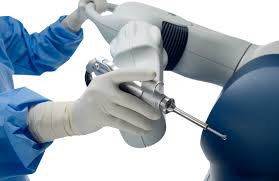
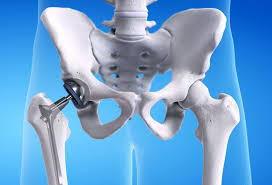
Robotic-assisted hip surgery provides higher accuracy than conventional methods. Surgeons use computer-assisted planning to determine the exact implant size, orientation, and alignment. This precision reduces the risk of complications, improves joint stability, and enhances post-operative mobility.
By using cashless schemes like PMJAY, eligible patients receive surgery, implants, hospital stay, and rehabilitation at minimal or no out-of-pocket cost. This financial support ensures that patients can access high-quality care promptly without worrying about expenses. Consequently, robotic precision combined with cashless treatment creates a safe, effective, and accessible solution for hip replacement.
Cashless Robotic Hip Replacement in Harda addresses multiple hip conditions. Severe osteoarthritis, AVN, hip fractures, post-traumatic arthritis, and congenital hip deformities are commonly treated. Surgeons evaluate each patient individually using imaging studies, clinical assessment, and functional evaluation to design a customized surgical plan.
The surgery restores joint alignment, reduces pain, and improves mobility. Patients receive detailed post-operative instructions, including safe exercises, activity modifications, and lifestyle advice to maintain long-term joint health. Proper guidance ensures that recovery is effective, and patients regain independence efficiently.
Successful outcomes begin with comprehensive pre-operative planning. Patients undergo a thorough medical evaluation, physical examination, and imaging studies to assess the hip joint. Advanced robotic software creates a patient-specific surgical plan, outlining incision placement, bone preparation, and implant positioning.
These steps enhance surgical accuracy, minimize complications, and help patients understand what to expect during recovery. Hospital staff provide guidance on pre-surgery preparation, including nutrition, activity adjustments, and procedural expectations. A well-structured plan increases patient confidence and ensures smoother surgery and rehabilitation.
During Cashless Robotic Hip Replacement, surgeons use robotic assistance to perform bone preparation and implant placement with high precision. The robot guides alignment and positioning, while surgeons maintain full control throughout the procedure. Minimally invasive techniques allow smaller incisions, reduced tissue trauma, and faster healing.
Patients benefit from lower post-operative pain, smaller scars, and reduced hospital stay. Robotic technology ensures that implants are placed accurately, even in complex or challenging hip cases. Precise placement improves long-term joint function, decreases the need for revision surgery, and enhances patient satisfaction.
Recovery begins shortly after surgery. Patients start gentle movements under supervision, gradually progressing to walking, strengthening exercises, and mobility training. Physiotherapy focuses on improving hip flexibility, muscle strength, and balance.
Structured rehabilitation ensures patients regain independence safely. Hospital staff provide guidance on wound care, daily activity modification, and nutrition to support healing. Continuous follow-up monitoring ensures optimal outcomes, allowing patients to resume daily routines confidently and comfortably.
Cashless Robotic Hip Replacement offers several benefits. Precise robotic assistance improves implant alignment and joint stability. Minimally invasive surgery reduces pain, scarring, and hospital stay. Patients recover faster and regain mobility sooner than with conventional hip replacement.
Financial support through cashless schemes like PMJAY allows patients to access advanced surgery without out-of-pocket expenses. Combining robotic precision with government-assisted care ensures that patients benefit from both high-quality treatment and financial relief, making hip replacement accessible and effective.
Varunam Super Speciality Hospital offers cashless robotic hip replacement with a focus on patient-centered care. Expert surgeons use advanced technology to ensure precise surgical outcomes. Patients benefit from thorough pre-operative planning, minimally invasive techniques, and structured rehabilitation programs.
The hospital emphasizes safety, ethical practice, and long-term joint health. Families receive guidance on post-operative exercises, safe movement, and follow-up care. Choosing Varunam Super Speciality Hospital ensures precise, effective, and financially stress-free hip surgery.
Maintaining hip health after surgery is crucial for lasting results. Patients should continue physiotherapy exercises, maintain a healthy weight, and engage in low-impact activities. Avoiding high-impact movements until cleared by the surgeon protects the implant and ensures durability.
With proper adherence to rehabilitation, safe movement, and follow-up, patients can enjoy improved mobility, reduced pain, and a high quality of life for years after cashless robotic hip replacement.
Q1. Who is eligible for cashless robotic hip replacement under PMJAY?
Eligible patients meet PMJAY criteria based on income and socio-economic status. Hospital staff assist with documentation, verification, and approvals.
Q2. Does cashless treatment cover the entire surgery cost?
Yes, cashless schemes typically cover surgery, implants, hospital stay, and post-operative rehabilitation for eligible patients.
Q3. How is robotic-assisted hip replacement different from traditional surgery?
Robotic assistance allows precise implant placement, accurate alignment, minimally invasive incisions, and faster recovery.
Q4. How soon can patients resume normal activities after surgery?
Structured rehabilitation allows patients to start daily activities within a few weeks, depending on individual recovery progress.
Q5. What are the main advantages of cashless robotic hip replacement?
Patients benefit from precision surgery, minimal post-operative pain, faster recovery, long-term joint stability, and financial relief through government-supported schemes.