

- M.B.B.S.
- M.S. Orthopaedics
- Fellow in Knee and Hip Replacement, Mumbai
- Fellow In Knee and Hip Surgery, Germany
- Fellow in Knee and Hip Surgery, NHS, Singapore
- Fellowship in Complex and revesion knee and Hip replacement, London, Lancaster, UK
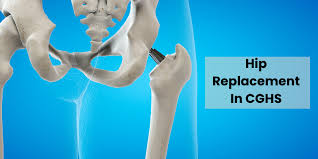
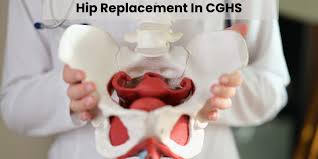
Hip pain often restricts movement, makes walking difficult, and reduces overall quality of life. Moreover, advanced conditions such as arthritis, avascular necrosis (AVN), fractures, or chronic joint damage gradually worsen without surgical treatment. CGHS Hip Replacement in Shahdol helps government employees, pensioners, and their dependent families access precise hip replacement surgery without financial burden through their Central Government Health Scheme benefits.
Varunam Super Speciality Hospital provides structured CGHS orthopedic care with modern surgical techniques, expert planning, and personalized recovery guidance. Because of this structured approach, eligible patients receive accurate diagnosis, minimally invasive options when possible, and focused rehabilitation support, all aimed at restoring hip function and improving daily life activities.
Government employees, pensioners, and their eligible dependents enrolled under the Central Government Health Scheme qualify for CGHS hip replacement benefits. Patients must present valid CGHS identification and complete the necessary documentation to confirm eligibility.
Once eligibility is confirmed, patients receive cashless or subsidized access to hip replacement surgery. In addition, CGHS coverage typically extends to diagnostic tests, hospital stay, implants, medicines, and follow-up visits. This comprehensive support allows patients to concentrate totally on recovery while coordinators manage the administrative formalities.
Certain hip conditions cause chronic pain and reduced movement that require surgical intervention. Severe osteoarthritis gradually wears the joint surface, leading to stiffness and discomfort. Avascular necrosis destroys bone tissue due to compromised blood supply, which further worsens mobility. Hip fractures from trauma also demand precise surgical correction for functional restoration.
In many cases, post-traumatic arthritis and long-term degenerative changes cause symptoms that do not improve with conservative measures such as medications, injections, or physiotherapy. Hip replacement thus becomes the recommended surgery for sustained relief, improved mobility, and better quality of life.
Accurate pre-operative assessment is crucial to the success of hip replacement surgery. Patients undergo detailed clinical evaluation, laboratory investigations, and imaging studies such as X-rays and scans to assess the condition of the hip joint thoroughly. This evaluation helps confirm diagnosis and determine the best surgical approach.
Varunam Super Speciality Hospital ensures that patients receive clear guidance on what to expect before surgery. These discussions include potential benefits, possible risks, expected recovery timelines, and rehabilitation strategies. Clear communication builds patient confidence and facilitates informed decision-making before entering surgery.
Hip replacement under CGHS uses advanced surgical methods that emphasize precision and minimal disruption to surrounding tissues. Surgeons aim to restore the functional mechanics of the hip joint while preserving as much healthy tissue as possible. These modern techniques contribute to improved joint stability, reduced pain, and accelerated rehabilitation for patients.
In addition, accurate implant positioning and alignment reduce the chances of early wear and tear, ensuring long-lasting results. By combining expertise with refined surgical methods, patients recover faster, regain confidence in movement, and experience sustained relief from pain.
Dr. Utsav Agrawal leads hip replacement procedures with a strong focus on precision and patient comfort. His orthopedic expertise ensures that every step, from diagnosis to surgery and rehabilitation, follows best practices and patient-centric protocols.
Dr. Utsav Agrawal emphasizes detailed surgical planning tailored to each patient’s anatomy and lifestyle needs. This personalized approach ensures optimal joint alignment, accurate implant positioning, and smoother functional recovery. Through comprehensive evaluation and careful execution, patients benefit from consistent surgical outcomes and reliable long-term function.
Recovery starts shortly after surgery with guided movement and physiotherapy. Early mobilization improves blood circulation, muscle strength, and joint flexibility. Structured rehabilitation plays a critical role in restoring range of motion and functional activities.
Varunam Super Speciality Hospital provides customized rehabilitation plans based on clinical progress. Physiotherapists work closely with patients to improve strength, balance, and walking patterns. Continuous monitoring during recovery helps prevent complications, speed up progress, and increase confidence in everyday movement.
Hip replacement under CGHS results in long-lasting relief from pain and significant improvements in mobility. Accurate implant placement and joint reconstruction restore efficient biomechanics, which enhances comfort during walking, sitting, and other daily activities.
With proper follow-up care and ongoing lifestyle adjustments, patients maintain joint function for many years without limitations. Regular check-ups, safe activity routines, and appropriate weight management further support durable outcomes and sustained quality of life.
Varunam Super Speciality Hospital combines clinical excellence with patient-centered support throughout the treatment journey. The hospital follows well-established safety protocols and ethical practices to ensure both physical and emotional comfort for patients undergoing hip replacement.
Moreover, the hospital team assists eligible CGHS beneficiaries with verification, documentation, and approval processes to make access to cashless surgery smooth and stress-free. Patients benefit from coordinated care, transparent guidance, and personalized medical attention at every stage.
Maintaining joint health after hip replacement becomes essential for long-term success. Patients should engage in regular physiotherapy, adopt low-impact exercises, and maintain a balanced weight to reduce stress on the hip joint.
Healthy habits such as walking, swimming, and gentle stretching support muscular balance and joint flexibility without risk. Additionally, regular medical follow-ups help monitor implant performance and detect any early signs of concerns. These aftercare practices maximize surgical benefits and improve mobility over years.
Q1. Who is eligible for CGHS hip replacement in Shahdol? CGHS hip replacement benefits extend to government employees, pensioners, and their registered dependents under the Central Government Health Scheme.
Q2. Does CGHS cover surgical expenses fully? Yes, CGHS coverage typically includes surgery, hospital stay, implants, medications, and post-operative care for eligible patients.
Q3. What conditions qualify for hip replacement under CGHS? Severe osteoarthritis, avascular necrosis, hip fractures, and chronic joint degeneration often require hip replacement surgery under CGHS.
Q4. How soon can patients walk after hip replacement? Most patients begin assisted walking soon after surgery under the guidance of physiotherapy to support circulation and strength.
Q5. Who performs CGHS hip replacement surgery in Shahdol? CGHS hip replacement procedures are performed under the supervision and expertise of Dr. Utsav Agrawal, focusing on accuracy and functional recovery.