

- M.B.B.S.
- M.S. Orthopaedics
- Fellow in Knee and Hip Replacement, Mumbai
- Fellow In Knee and Hip Surgery, Germany
- Fellow in Knee and Hip Surgery, NHS, Singapore
- Fellowship in Complex and revesion knee and Hip replacement, London, Lancaster, UK
Hip joint disorders gradually reduce mobility and often create constant pain that interferes with daily activities. Moreover, advanced arthritis, avascular necrosis, and joint degeneration frequently require surgical intervention when conservative treatments stop working. Robotic-assisted Hip Replacement PMJAY in Sagar provides eligible patients access to modern, high-precision hip surgery under government support, ensuring quality treatment without financial burden.
At Varunam Super Speciality Hospital, robotic-assisted hip replacement under PMJAY focuses on accuracy, safety, and faster recovery. By combining advanced robotic technology with experienced surgical expertise, the hospital ensures improved joint alignment, reduced pain, and long-term mobility for patients in Sagar.

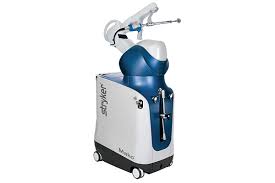
PMJAY, also known as Ayushman Bharat, supports eligible patients by offering cashless treatment for major surgeries, including joint replacement. Once eligibility is confirmed, PMJAY covers hospital stay, surgical procedure, implants, medicines, and post-operative care. Therefore, patients can undergo robotic-assisted hip replacement without worrying about treatment expenses.
Varunam Super Speciality Hospital assists patients throughout the documentation and approval process. This structured coordination reduces delays and allows patients to focus fully on treatment and recovery.
Robotic-assisted hip replacement under PMJAY treats multiple debilitating hip conditions. Patients with severe osteoarthritis often struggle with pain and stiffness. Similarly, avascular necrosis weakens the hip joint due to reduced blood supply. Hip fractures, post-traumatic arthritis, and joint deformities also significantly limit mobility.
Doctors evaluate symptoms, imaging studies, and functional limitations before recommending surgery. This careful assessment ensures that patients receive the most suitable treatment approach for durable outcomes.
Robotic-assisted hip replacement depends heavily on precise pre-surgical planning. Surgeons use advanced imaging to create a three-dimensional map of the hip joint. This planning allows accurate selection of implant size, alignment, and positioning tailored to the patient’s anatomy.
At Varunam Super Speciality Hospital, patients receive detailed explanations about the procedure, recovery expectations, and rehabilitation steps. Clear planning builds confidence and prepares patients mentally and physically for surgery.
During robotic-assisted hip replacement, surgeons use robotic guidance to execute the surgical plan accurately. The system assists with bone preparation and implant positioning while the surgeon maintains full control. This collaboration ensures controlled movements and precise execution.
Because robotic assistance preserves surrounding tissues, patients experience less trauma and improved post-operative comfort. As a result, recovery becomes smoother and mobility improves faster.
Varunam Super Speciality Hospital combines advanced robotic technology with ethical, patient-focused care. The hospital follows strict safety protocols and transparent PMJAY processes.
Patients choosing Robotic-assisted Hip Replacement PMJAY in Sagar receive complete care from eligibility verification to rehabilitation. The hospital’s commitment to precision, comfort, and long-term outcomes makes it a trusted destination for government-supported hip surgery.
Q1. Who is eligible for PMJAY robotic hip replacement?
Patients who meet government-defined socio-economic criteria qualify after document verification.
Q2. Does PMJAY fully cover robotic hip replacement?
Yes, approved patients receive cashless coverage for surgery, implants, hospital stay, and post-operative care.
Q3. Is robotic-assisted hip replacement safe under PMJAY?
Yes, robotic guidance improves precision and safety when performed by experienced surgeons.
Q4. How soon can patients walk after surgery?
Most patients begin assisted walking early with guided rehabilitation.
Q5. Who performs robotic-assisted hip replacement in Sagar?
Procedures are carried out under the supervision of Dr. Utsav Agrawal.