

- M.B.B.S.
- M.S. Orthopaedics
- Fellow in Knee and Hip Replacement, Mumbai
- Fellow In Knee and Hip Surgery, Germany
- Fellow in Knee and Hip Surgery, NHS, Singapore
- Fellowship in Complex and revesion knee and Hip replacement, London, Lancaster, UK
Best Robotic Hip Surgeon In Adilabad
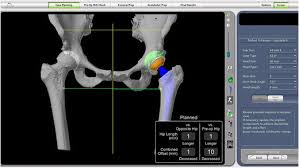

1. Who may be evaluated for robotic hip surgery
Patients with structural hip joint conditions may be evaluated through detailed assessment. Suitability depends on anatomy, joint damage, and overall health.
2. How does robotic assistance support surgical accuracy
Robotic systems provide real-time guidance for alignment and positioning. This support improves precision while allowing surgeon control.
3. Does robotic surgery replace the surgeon’s role
Robotic technology assists but does not replace clinical expertise. Surgeons remain fully responsible for decision-making and execution.
4. Why is quality oversight important in robotic procedures
Quality oversight ensures safety, ethical standards, and consistency. It supports reliable outcomes through structured governance.
5. How can patients maintain hip joint health after surgery
Patients are guided on posture, balanced activity, and regular follow-up. These measures support long-term joint comfort and stability.