

- M.B.B.S.
- M.S. Orthopaedics
- Fellow in Knee and Hip Replacement, Mumbai
- Fellow In Knee and Hip Surgery, Germany
- Fellow in Knee and Hip Surgery, NHS, Singapore
- Fellowship in Complex and revesion knee and Hip replacement, London, Lancaster, UK
Robotic-assisted Hip Replacement PMJAY In Adilabad
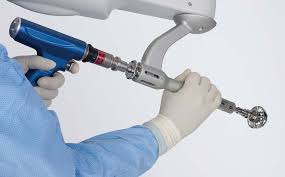
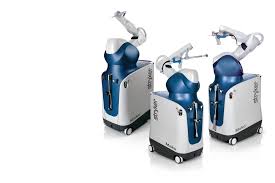
Robotic hip replacement is evaluated when joint damage interferes with stability and function. Therefore, degenerative joint disease, cartilage deterioration, and joint deformities are carefully reviewed. These conditions may progressively limit movement and affect daily comfort.
Moreover, joint imbalance caused by long-standing structural changes can disrupt normal biomechanics. As a result, accurate correction becomes clinically important. Detailed assessment ensures that robotic assistance is used only when it supports patient-specific anatomical needs and medical indications.
Robotic technology supports surgeons by providing real-time guidance during hip replacement. Therefore, joint alignment and positioning are monitored continuously throughout the procedure. This guidance reduces variability during complex surgical steps.
Moreover, robotic systems enhance consistency across cases. As a result, joint mechanics can be restored with greater predictability. Technology strengthens precision while ensuring that surgeons retain full control over decision-making and execution.
Varunam Hospital provides robotic orthopedic services within PMJAY-approved clinical frameworks. Therefore, operating environments are designed to support technology-assisted procedures safely. Structured protocols guide each stage of patient care.
In addition, hospital-wide quality systems ensure adherence to medical and scheme standards. Consequently, patients benefit from organized treatment pathways that emphasize safety, accuracy, and accountability. Infrastructure and governance work together to support dependable outcomes.
Strong clinical governance is essential in advanced orthopedic procedures. Therefore, Dr. Utsav Agrawal provides leadership in protocol formulation, quality monitoring, and outcome review. His role ensures that robotic-assisted procedures follow evidence-based standards.
Moreover, oversight promotes ethical practice and consistency. Consequently, surgical teams operate within defined clinical frameworks that prioritize patient safety. Structured leadership supports accountability across all stages of care delivery.
1. Who can be evaluated for robotic-assisted hip replacement under PMJAY
Eligibility depends on clinical findings and PMJAY guidelines. Approved documentation and medical assessment determine suitability.
2. How does robotic assistance improve surgical precision
Robotic systems provide real-time alignment guidance during surgery. This supports accurate joint positioning.
3. Is robotic-assisted hip replacement available under PMJAY in Adilabad
Availability depends on scheme approval and hospital processes. Medical teams assist with eligibility verification.
4. Why is clinical oversight important in robotic surgery
Clinical oversight ensures safety, protocol adherence, and quality control. It supports consistent and ethical care.
5. How can patients support long-term hip joint health
Patients receive guidance on posture and balanced activity. Regular follow-up supports joint stability.