
Varunam Super Speciality Hospital

Specialist Orthopaedic and Hip Replacement Surgeon

Best h replacement surgeon in nagpur

Chief Knee and Hip Replacement, Complex Trauma Surgeon

Experience : 15 years / 15000+ Successfully Surgery completed
Edit Template

Cashless Robotic Hip Replacement In Adilabad
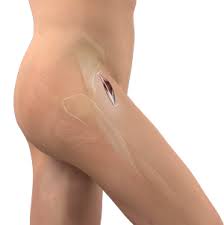
Hip joint disorders can significantly affect comfort, balance, and independence. Therefore, modern orthopedic care increasingly relies on technology-driven approaches to improve precision and predictability. Robotic assistance has emerged as an important advancement, supporting surgeons with enhanced planning and execution. As a result, treatment pathways now emphasize accuracy, consistency, and structured clinical decision-making. Moreover, cashless treatment options reduce financial stress for eligible patients. Consequently, individuals can focus on medical care rather than administrative concerns. This combination of technology and access has reshaped expectations in orthopedic treatment.
Cashless Robotic Hip Replacement In Adilabad
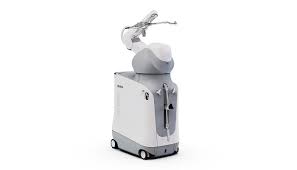
Cashless Robotic Hip Replacement In Adilabad reflects the integration of advanced surgical technology with scheme-based financial support. Therefore, eligible patients may receive robotic-assisted care without direct payment at the point of service. This model supports equitable access to specialized orthopedic treatment. In addition, cashless pathways encourage timely medical consultation. Consequently, patients are more likely to seek evaluation without delay. Structured verification processes ensure transparency while maintaining medical appropriateness.
Robotic-assisted hip replacement uses computer-guided systems to support surgical precision. Therefore, detailed anatomical mapping helps guide implant positioning. Surgeons use this data to plan joint alignment accurately. Moreover, robotic systems provide continuous feedback during the procedure. As a result, consistency is maintained across critical surgical steps. Technology complements surgical expertise rather than replacing it, reinforcing controlled and measured care delivery.
Several hip joint conditions may require surgical intervention when conservative measures are insufficient. Therefore, degenerative joint disease, structural deformities, and cartilage damage are carefully assessed. These conditions may gradually affect posture and mobility. Furthermore, long-standing joint imbalance can alter biomechanics. Consequently, accurate correction becomes clinically significant. Robotic assistance is considered only after thorough medical evaluation confirms its suitability.
Clinical assessment forms the foundation of robotic-assisted hip replacement. Therefore, imaging studies and physical examinations help define joint structure and alignment. These findings guide individualized treatment planning. In addition, cashless treatment requires eligibility confirmation through approved healthcare schemes. Consequently, documentation and clinical validation proceed together. This dual process ensures compliance while safeguarding patient interests.
Varunam Hospital provides structured orthopedic services that integrate robotic technology within approved healthcare frameworks. Therefore, clinical protocols guide evaluation, planning, and procedural execution. Infrastructure is designed to support technology-assisted surgery safely. Moreover, hospital systems emphasize quality assurance and patient safety. As a result, care delivery remains consistent and accountable. Institutional governance supports ethical and standardized treatment practices.
Advanced surgical care requires strong clinical leadership. Therefore, Dr. Utsav Agrawal contributes through oversight of clinical protocols, quality monitoring, and outcome evaluation. His role ensures adherence to established orthopedic standards. Furthermore, leadership oversight supports multidisciplinary coordination. Consequently, robotic-assisted procedures align with evidence-based practices and ethical medical principles. Structured supervision strengthens patient confidence in care delivery.
Cashless Robotic Hip Replacement In Adilabad is delivered through coordinated systems at Varunam Hospital. Therefore, patient pathways remain organized from evaluation through procedural planning. Technology and clinical governance operate together. In addition, multidisciplinary teams ensure clear communication across departments. As a result, patients experience seamless care supported by both technology and structured oversight. This integrated approach enhances reliability.
Understanding robotic-assisted hip replacement is essential for patient participation. Therefore, education focuses on explaining objectives, processes, and safety measures in clear language. Transparent discussions support informed consent. Moreover, patient awareness reduces uncertainty. Consequently, individuals engage more confidently in healthcare decisions. Education strengthens trust between patients and care teams.
Patient safety remains central to robotic orthopedic procedures. Therefore, strict sterilization standards and monitoring systems are consistently applied. These protocols minimize procedural risks. In addition, continuous clinical surveillance supports early detection of concerns. As a result, safety remains proactive rather than reactive. Structured safety measures reinforce dependable care delivery.

1. Who can apply for cashless robotic hip replacement

Eligibility depends on medical findings and scheme approval. Documentation and clinical evaluation determine access.

2. How does robotic assistance support surgical accuracy

Robotic systems provide real-time guidance during surgery. This helps maintain precise joint alignment.

3. Is cashless robotic hip replacement available in Adilabad

Availability depends on scheme authorization and hospital processes. Medical teams guide patients through verification.

4. Why is clinical oversight important in robotic surgery

Clinical oversight ensures safety, protocol compliance, and quality control. It supports ethical care delivery.

5. How can patients support long-term hip joint health

Patients receive guidance on posture and balanced activity. Regular follow-up supports joint stability.