

- M.B.B.S.
- M.S. Orthopaedics
- Fellow in Knee and Hip Replacement, Mumbai
- Fellow In Knee and Hip Surgery, Germany
- Fellow in Knee and Hip Surgery, NHS, Singapore
- Fellowship in Complex and revesion knee and Hip replacement, London, Lancaster, UK
PMJAY Joint Replacement In Bhopal
Hip joint problems commonly affect mobility and daily comfort. Therefore, conditions such as arthritis, avascular necrosis, and joint degeneration often cause persistent pain and stiffness. Moreover, hip disorders may worsen gradually, making walking or standing difficult. As a result, many patients in Bhopal seek advanced treatment options when conservative care fails. In addition, early medical consultation helps identify the severity of joint damage and supports timely intervention for long-term joint health.

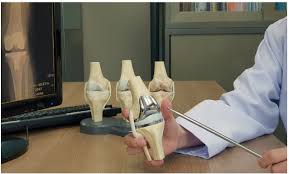
Joint replacement surgery entails substituting damaged joint surfaces with artificial implants to alleviate pain and restore normal function. Therefore, hip and knee replacements are the most commonly performed procedures. Moreover, advanced techniques include minimally invasive and robotic-assisted surgery to improve precision and recovery. As a result, patients experience better outcomes, reduced pain, and faster rehabilitation. In addition, PMJAY patients in Bhopal benefit from access to these modern surgical techniques without financial constraints.
Who is eligible for PMJAY joint replacement in Bhopal?
Patients with significant joint damage who meet PMJAY guidelines can qualify. Therefore, a detailed medical assessment is necessary to confirm eligibility.
Is joint replacement safe under PMJAY?
Yes, joint replacement is safe when performed by trained surgeons in accredited hospitals. Moreover, PMJAY ensures standardized care and monitoring.
How long does recovery take after joint replacement surgery?
Recovery varies depending on overall health and physiotherapy participation. However, most patients regain mobility and independence within a few weeks.
Does Varunam Hospital provide full care for PMJAY patients?
Yes, Varunam Hospital provides evaluation, surgery, physiotherapy, and follow-up care. Therefore, patients receive comprehensive treatment locally in Bhopal.
What are the main benefits of PMJAY joint replacement?
The procedure relieves pain, restores mobility, and improves quality of life. Moreover, cashless treatment removes financial barriers, allowing patients to focus entirely on recovery.