

- M.B.B.S.
- M.S. Orthopaedics
- Fellow in Knee and Hip Replacement, Mumbai
- Fellow In Knee and Hip Surgery, Germany
- Fellow in Knee and Hip Surgery, NHS, Singapore
- Fellowship in Complex and revesion knee and Hip replacement, London, Lancaster, UK
Knee replacement Itarsi
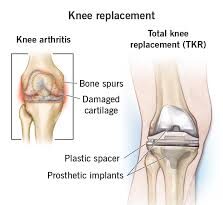
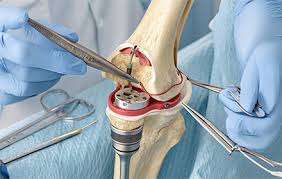
Knee replacement Itarsi refers to surgical procedures aimed at restoring function and reducing pain when the knee joint suffers from advanced damage. Therefore, this treatment becomes necessary when conservative measures like medication and physiotherapy no longer provide significant relief. Moreover, knee replacement replaces damaged joint surfaces with artificial implants, allowing smoother movement and enhanced stability. As a result, patients regain functional independence and improve their quality of life.
In addition, the surgical approach focuses on correcting alignment and preserving surrounding structures as much as possible. Consequently, personalised surgical planning supports outcomes that align with each patient’s condition rather than a one-size-fits-all strategy. This precise approach strengthens confidence and supports improved daily mobility.
1. When is knee replacement recommended
Doctors recommend knee replacement when joint damage causes persistent pain and functional limitation. Clinical assessment and imaging guide this decision.
2. How is knee replacement planned
Surgeons evaluate joint alignment, cartilage loss, and functional impact before planning surgery. This personalised approach supports predictable outcomes.
3. Is knee replacement safe
Hospitals follow strict safety and quality protocols throughout treatment. These standards protect patients during the surgical process.
4. Why is rehabilitation important after knee replacement
Rehabilitation strengthens muscles and improves joint coordination. Guided physiotherapy supports functional improvement.
5. How often are follow-up visits needed
Doctors schedule regular follow-ups to monitor joint performance and implant integrity. These visits support long-term joint health.