

- M.B.B.S.
- M.S. Orthopaedics
- Fellow in Knee and Hip Replacement, Mumbai
- Fellow In Knee and Hip Surgery, Germany
- Fellow in Knee and Hip Surgery, NHS, Singapore
- Fellowship in Complex and revesion knee and Hip replacement, London, Lancaster, UK
Experience : 15 years / 15000+ Successfully Surgery completed
AVN treatment Adilabad
Avascular necrosis, commonly known as AVN, is a condition where reduced blood supply leads to damage of bone tissue, most often affecting the hip joint. Therefore, timely AVN treatment Adilabad is essential to prevent joint collapse and long-term disability. Patients may initially notice pain during movement, which can gradually worsen if left untreated. In Adilabad, structured orthopedic evaluation and planned treatment approaches help patients manage AVN effectively and preserve joint function.
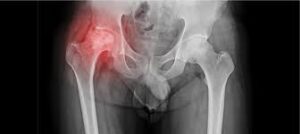
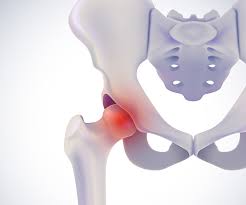
AVN develops when bone tissue does not receive sufficient blood flow. Consequently, the affected bone weakens and may lose its structural integrity over time. AVN treatment Adilabad focuses on slowing disease progression and maintaining joint stability. Moreover, early diagnosis allows for better preservation of natural joint movement. Awareness of symptoms such as persistent hip pain or stiffness plays a key role in timely medical attention.
Accurate diagnosis is critical for effective AVN management. At Varunam Hospital, patients undergo detailed clinical examination supported by imaging studies to assess bone health. Therefore, the stage and severity of AVN can be identified clearly. In addition, proper documentation helps guide treatment decisions. These diagnostic standards ensure that AVN treatment Adilabad is based on precise medical findings.
Quality oversight plays an important role in managing complex orthopedic conditions such as AVN. Dr. Utsav Agrawal provides clinical supervision to ensure that AVN treatment protocols follow established medical standards. Consequently, treatment decisions remain ethical, structured, and patient-focused. Moreover, continuous monitoring supports consistency in care delivery. This oversight strengthens patient confidence during AVN treatment in Adilabad.
In early stages, AVN treatment Adilabad may involve non-surgical management. These approaches aim to reduce pain, limit stress on the affected joint, and slow disease progression. Furthermore, activity modification and medical management can help preserve joint function. Patients benefit from close monitoring and timely reassessment. Conservative care is considered whenever clinically appropriate.
When AVN progresses, surgical intervention may be required to support joint stability. AVN treatment Adilabad includes carefully planned surgical options based on disease stage and patient condition. Furthermore, surgical planning focuses on accuracy and long-term joint preservation. Controlled surgical environments and standardized protocols help reduce risks. Such structured care supports improved functional outcomes.
Varunam Hospital follows regulated surgical workflows for advanced AVN management. Therefore, patients receive care aligned with orthopedic safety and quality standards. The hospital emphasizes infection control, precision, and post-procedure monitoring. As a result, AVN treatment Adilabad is delivered within a dependable and well-organized healthcare setting.
Effective AVN treatment requires careful planning and evaluation. Under the guidance of Dr. Utsav Agrawal, treatment plans are reviewed to ensure clinical relevance and patient safety. Consequently, factors such as age, activity level, and disease progression are considered. Moreover, this planning approach supports transparency and informed decision-making. Structured planning contributes to smoother treatment outcomes.
Recovery is a gradual process following AVN treatment. Therefore, AVN treatment Adilabad includes planned rehabilitation focused on improving mobility and joint confidence. Guided physiotherapy supports strength and balance restoration. Consequently, patients regain daily function while minimizing stress on the joint. Rehabilitation plays a vital role in long-term joint preservation.
Patient awareness significantly influences AVN outcomes. AVN treatment Adilabad includes education about joint care, activity limits, and follow-up importance. Moreover, informed patients are more likely to adhere to medical guidance. Awareness helps reduce disease progression risks. Clear communication strengthens patient participation in care.
Quality assurance remains essential in AVN care. Varunam Hospital maintains governance systems to monitor orthopedic practices and patient safety. Therefore, AVN treatment Adilabad aligns with healthcare quality expectations. Regular audits, training, and documentation support consistency. This structured approach builds trust and reliability.
1. What is AVN and why does it require treatment?
AVN occurs when bone tissue loses blood supply. Timely treatment helps prevent joint damage.
2. Which joint is most commonly affected by AVN?
The hip joint is most commonly affected. Other joints may also be involved in some cases.
3. Can AVN be treated without surgery?
Early-stage AVN may be managed without surgery. Advanced cases often require surgical intervention.
4. Why is early diagnosis important in AVN?
Early diagnosis allows better preservation of joint structure. It also improves treatment outcomes.
5. How is care quality ensured during AVN treatment?
Quality is ensured through protocols, monitoring, and leadership oversight. This supports patient safety and consistency.