
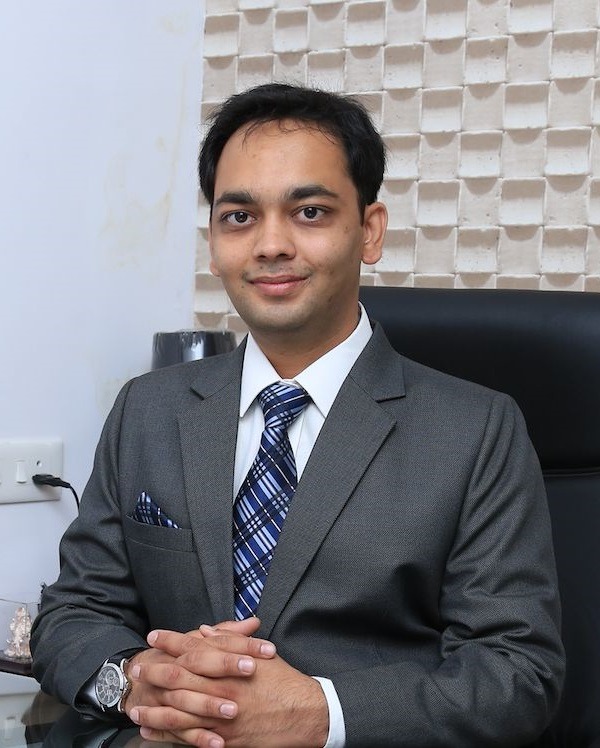
Chief Knee and Hip Replacement, Complex Trauma Surgeon
- M.B.B.S.
- M.S. Orthopaedics
- Fellow in Knee and Hip Replacement, Mumbai
- Fellow In Knee and Hip Surgery, Germany
- Fellow in Knee and Hip Surgery, NHS, Singapore
- Fellowship in Complex and revesion knee and Hip replacement, London, Lancaster, UK
ACL Ligament Surgery in Chhindwara – Expert Knee Care for a Safe and Active Recovery
What Is an ACL Ligament Injury?
Common Causes of ACL Injuries
ACL injuries can affect athletes as well as people who participate in everyday physical activities. Moreover, certain movements can place excessive stress on the knee ligament.
Common causes include:
Sudden changes in direction while running
Landing incorrectly after jumping
Twisting the knee during sports
Direct impact during an accident
Slipping or falling on an uneven surface
Sudden stopping while running
Sports such as football, cricket, basketball, and badminton
In addition, weak supporting muscles and poor landing techniques can increase the risk of knee injuries.
Symptoms of an ACL Tear
An ACL injury can cause different symptoms depending on the extent of ligament damage. Therefore, pay attention to unusual changes in your knee after an accident or sports injury.
Common symptoms include:
A popping sensation at the time of injury
Sudden knee pain
Swelling within a few hours
Difficulty walking or bearing weight
Reduced knee movement
A feeling that your knee may give way
Difficulty running, jumping, or changing direction
Moreover, some patients experience repeated knee instability during routine activities. Early medical evaluation can help prevent further joint damage.
When Do You Need ACL Ligament Surgery?
Not every ACL injury requires surgery. The orthopaedic specialist considers your symptoms, activity level, knee stability, associated injuries, and treatment goals before recommending a procedure.
Your doctor may recommend ACL reconstruction surgery when:
You have a complete ACL tear with significant instability.
Your knee repeatedly gives way during daily activities.
You want to return to sports or physically demanding activities.
You have additional ligament or meniscus injuries.
Physiotherapy and other non-surgical treatments do not provide sufficient stability.
However, some patients with partial tears or lower activity requirements may improve with physiotherapy, rehabilitation, and suitable lifestyle changes.
ACL Ligament Surgery in Chhindwara – Understanding the Procedure
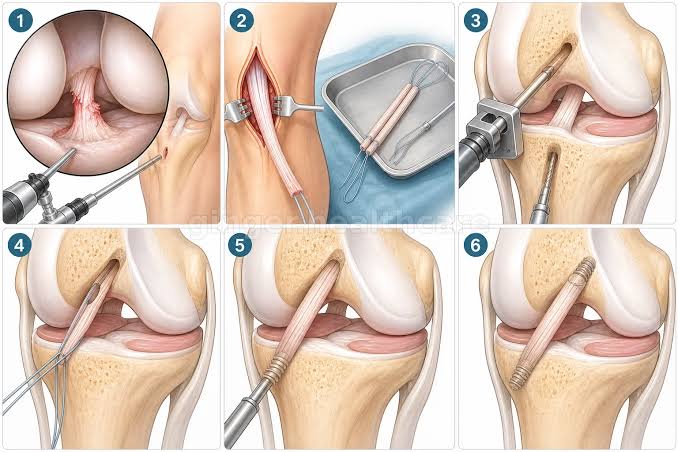
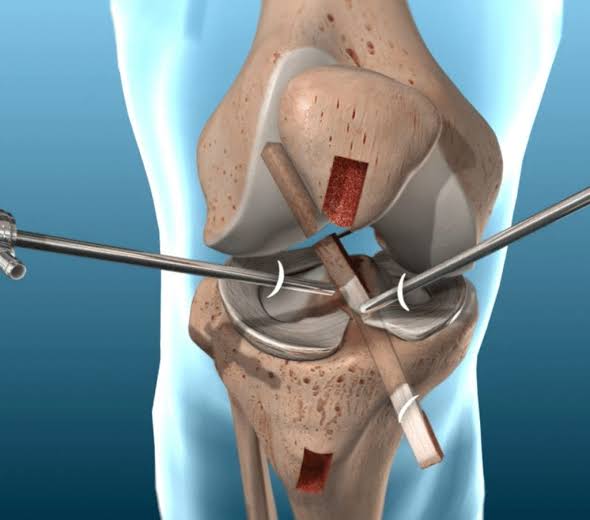
ACL reconstruction surgery aims to restore knee stability by replacing the damaged ligament with a suitable tendon graft. Moreover, orthopaedic surgeons commonly use arthroscopic techniques to perform this procedure.
The surgery generally involves the following steps:
1. Preoperative Evaluation
Your doctor examines your knee, reviews your medical history, and may recommend an MRI or X-ray to understand the injury.
2. Anaesthesia
The medical team provides suitable anaesthesia to keep you comfortable during the procedure.
3. Arthroscopic Examination
The surgeon inserts a small camera through tiny incisions to examine the knee joint and identify associated injuries.
4. Graft Preparation
The surgeon prepares a suitable tendon graft, which may come from your own body or another approved source.
5. ACL Reconstruction
The surgeon places the graft in the correct position and secures it with suitable fixation devices.
Benefits of ACL Reconstruction Surgery
ACL reconstruction can help patients regain knee stability and improve their ability to perform physical activities.
Potential benefits include:
Improved knee stability
Better control during walking and movement
Reduced episodes of knee giving way
Improved confidence during physical activities
Support for returning to suitable sports activities
Better knee function with proper rehabilitation
However, surgical results depend on several factors, including injury severity, graft selection, rehabilitation, and individual healing.
Recovery After ACL Ligament Surgery
Why Choose an Experienced Orthopaedic Specialist for ACL Surgery?
Choosing the right orthopaedic specialist can make a difference in your treatment experience. Therefore, consider the surgeon’s qualifications, experience with knee injuries, surgical approach, and rehabilitation guidance.
Moreover, a good treatment plan should address your individual needs rather than follow the same approach for every patient.
When exploring options for ACL Ligament Surgery in Chhindwara, consider:
Experience in treating ACL and knee ligament injuries
Access to appropriate diagnostic facilities
Knowledge of arthroscopic knee procedures
Individualised treatment recommendations
Clear communication about surgical risks and benefits
Structured postoperative physiotherapy guidance
Non-Surgical Treatment for ACL Injuries
Some ACL injuries do not require immediate surgery. Depending on the severity of the tear and your activity level, your doctor may recommend conservative treatment.
Non-surgical management may include:
Rest and activity modification
Ice application as advised
Suitable pain management
Knee support or bracing
Physiotherapy
Quadriceps and hamstring strengthening exercises
Balance and stability training
However, conservative treatment may not provide sufficient stability for every patient. Therefore, consult an orthopaedic specialist before choosing between surgery and non-surgical care.
When Should You Consult an Orthopaedic Specialist?
Do not ignore persistent knee pain or instability after an injury. Moreover, early consultation can help identify ligament damage and reduce the risk of additional knee problems.
Consider an orthopaedic consultation if:
Your knee swells after an injury.
You experience repeated knee instability.
You cannot fully bend or straighten your knee.
Walking causes significant discomfort.
You hear a popping sound during a knee injury.
You experience difficulty returning to sports.
Seek urgent medical attention if you cannot bear weight, notice severe swelling, or experience significant pain after an injury.
Frequently Asked Questions (FAQs)
ACL ligament surgery is a procedure that reconstructs a damaged anterior cruciate ligament using a suitable tendon graft. It helps restore knee stability and function.
No. Some patients improve with physiotherapy and conservative treatment. However, doctors may recommend surgery for complete tears with significant instability or associated injuries.
ACL reconstruction commonly takes around 1–2 hours, although the duration can vary depending on the injury and additional procedures.
Many patients need 6–12 months or longer to achieve full functional recovery. However, your rehabilitation progress and surgeon’s assessment determine your return to sports.
Book a Consultation for ACL Ligament Surgery in Chhindwara
Knee ligament injuries can affect your mobility, confidence, and active lifestyle. Therefore, choosing the right treatment at the right time matters. Varunam Hospital: If you are considering ACL Ligament Surgery in Chhindwara, consult a qualified orthopaedic specialist for an accurate diagnosis and personalised treatment recommendations.
Moreover, the right combination of medical evaluation, surgical care when necessary, and structured physiotherapy can help you work towards better knee stability and long-term mobility.
Take the first step towards healthier knees. Schedule an orthopaedic consultation to discuss your ACL injury and suitable treatment options.