

Chief Knee and Hip Replacement, Complex Trauma Surgeon
- M.B.B.S.
- M.S. Orthopaedics
- Fellow in Knee and Hip Replacement, Mumbai
- Fellow In Knee and Hip Surgery, Germany
- Fellow in Knee and Hip Surgery, NHS, Singapore
- Fellowship in Complex and revesion knee and Hip replacement, London, Lancaster, UK
CGHS Hip Replacement in Seoni – Cashless and Expert Care
Understanding CGHS Coverage for Hip Surgery
Moreover, the Central Government Health Scheme (CGHS) provides healthcare benefits to eligible beneficiaries through its approved healthcare network. Depending on the patient’s eligibility, referral requirements, hospital empanelment, and applicable CGHS guidelines, beneficiaries may access approved orthopaedic treatments, including hip replacement surgery.
What Is Hip Replacement Surgery?
When Do Doctors Recommend Hip Replacement Surgery?
Several hip conditions can damage the joint and affect normal movement. Therefore, an orthopaedic specialist evaluates the patient’s symptoms, medical history, and imaging reports before recommending surgery.
Common conditions that may require hip replacement include:
Osteoarthritis: Gradually damages the protective cartilage and causes joint pain.
Rheumatoid Arthritis: Causes inflammation that can damage the hip joint.
Avascular Necrosis: Reduces blood supply to the hip bone and may cause bone damage.
Hip Fractures: Certain severe fractures may require joint replacement.
Advanced Joint Damage: Severe deterioration can cause persistent pain and restricted movement.
Moreover, patients may experience groin pain, difficulty walking, stiffness, and discomfort during everyday activities.
CGHS Hip Replacement In Seoni: Understanding Your Benefits
CGHS beneficiaries can explore eligible hip replacement treatment through the scheme’s approved healthcare network. However, patients should confirm the applicable rules before selecting a hospital or scheduling surgery.
The following points can help patients understand the process:
CGHS Eligibility: Confirm that your CGHS card and beneficiary details remain valid.
Medical Assessment: Consult an orthopaedic specialist for a proper diagnosis.
Referral Requirements: Check whether your treatment requires a CGHS referral or prior approval.
Hospital Empanelment: Verify the hospital’s current CGHS empanelment and approval for the required procedure.
Treatment Charges: Ask about applicable CGHS package rates and any permitted additional charges.
Therefore, patients searching for CGHS-approved hip replacement treatment in Seoni should verify hospital availability and scheme requirements before proceeding.
Types of Hip Replacement Surgery
Orthopaedic surgeons recommend different surgical approaches depending on the patient’s age, joint condition, bone quality, and overall health.
1. Total Hip Replacement
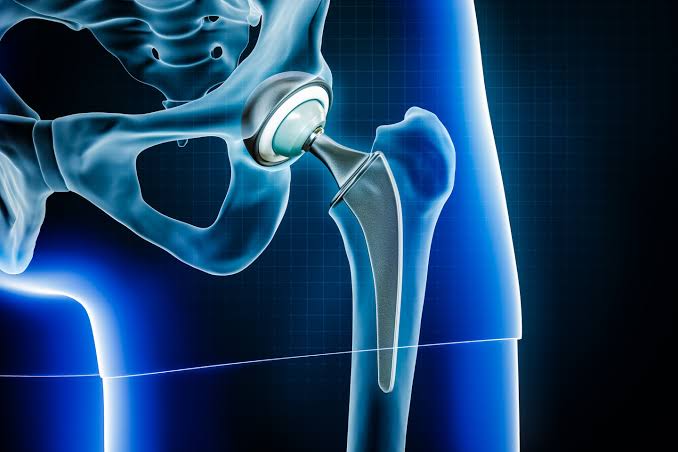
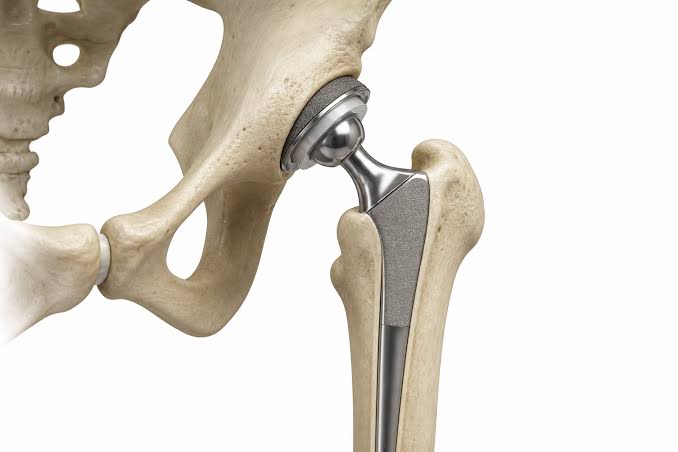
During total hip replacement, the surgeon replaces both the damaged femoral head and the affected hip socket with artificial components. Moreover, this procedure can help patients with advanced arthritis and severe joint damage.
2. Partial Hip Replacement
Partial hip replacement replaces only the damaged femoral head while preserving the natural hip socket. Doctors may recommend this procedure for certain types of hip fractures.
3. Hip Revision Surgery
Hip revision surgery replaces or repairs an existing hip implant when complications such as implant loosening, wear, infection, or dislocation occur. Therefore, the surgeon carefully evaluates the implant and surrounding bone before recommending revision surgery.
How Does Hip Replacement Surgery Work?
Understanding the surgical process can help patients prepare for treatment. Moreover, the orthopaedic team evaluates each patient’s condition before planning the procedure.
Step 1: Initial Consultation
The orthopaedic specialist examines the hip joint, discusses symptoms, and reviews the patient’s medical history.
Step 2: Diagnostic Tests
The doctor may recommend X-rays, blood tests, and other investigations to assess joint damage and overall health.
Step 3: Surgical Planning
The surgeon selects an appropriate implant and surgical approach based on the patient’s condition.
Step 4: Hip Replacement Procedure
The surgeon replaces the damaged joint components with artificial implants under suitable anaesthesia.
Step 5: Post-Surgery Care
The medical team monitors the patient’s recovery, manages discomfort, and guides early movement.
Benefits of Hip Replacement Surgery
Hip replacement surgery can improve the quality of life for patients with advanced hip joint damage. However, individual results depend on overall health, implant condition, and rehabilitation progress.
Some potential benefits include:
Reduced hip pain and discomfort.
Improved walking ability and joint movement.
Better performance during daily activities.
Improved joint stability.
Greater independence in everyday life.
Better sleep when joint pain previously disturbed rest.
Moreover, following the surgeon’s rehabilitation plan can support a smoother recovery.
Recovery After Hip Replacement Surgery
Recovery takes time, and every patient follows a different rehabilitation journey. Therefore, patients should follow their surgeon’s instructions and avoid rushing into strenuous activities.
During the initial recovery period, the physiotherapist may introduce gentle exercises and assisted walking. In addition, patients gradually increase their activity levels as their strength and mobility improve.
Patients should follow these precautions:
Attend regular follow-up appointments.
Perform prescribed physiotherapy exercises.
Use a walking aid when recommended.
Avoid activities that place excessive stress on the new joint.
Maintain a healthy body weight.
Keep the surgical wound clean and follow wound-care instructions.
Moreover, contact your doctor if you notice fever, increasing wound redness, unusual swelling, severe pain, or sudden difficulty breathing.
Who Can Apply for CGHS Hip Replacement Treatment?
Why Choose the Right Orthopaedic Hospital in Seoni?
Selecting a suitable hospital plays an important role in your treatment journey. Moreover, patients should consider more than location or package costs when comparing healthcare facilities.
Before choosing a hospital for CGHS Hip Replacement In Seoni, consider these factors:
Experienced orthopaedic surgeons.
Appropriate operation theatre facilities.
Qualified anaesthesia and nursing teams.
Access to diagnostic investigations.
Physiotherapy and rehabilitation support.
Clear information about CGHS eligibility and billing.
Regular post-surgery follow-up care.
In addition, discuss the implant options, expected recovery, possible complications, and treatment costs with your orthopaedic specialist.
Frequently Asked Questions (FAQs)
Book an Orthopaedic Consultation for Hip Replacement in Seoni
Persistent hip pain should not affect your quality of life. If you experience difficulty walking, joint stiffness, or continuous hip discomfort, consult a qualified orthopaedic specialist for an accurate diagnosis.
Moreover, patients looking for CGHS Hip Replacement In Seoni Varunam Hospital should verify their scheme eligibility, hospital empanelment, referral requirements, and applicable treatment coverage before making a decision.
Take the next step towards better mobility by discussing your symptoms and treatment options with an experienced orthopaedic team.