
General Surgery in Sagar

Chief Knee and Hip Replacement, Complex Trauma Surgeon
- M.B.B.S.
- M.S. Orthopaedics
- Fellow in Knee and Hip Replacement, Mumbai
- Fellow In Knee and Hip Surgery, Germany
- Fellow in Knee and Hip Surgery, NHS, Singapore
- Fellowship in Complex and revesion knee and Hip replacement, London, Lancaster, UK
Experience : 15 years / 15000+ Successfully Surgery completed
General surgery plays an important role in diagnosing and treating several medical conditions that affect the abdomen, digestive system, skin, soft tissues, and other body parts. If you are looking for General Surgery in Sagar, choosing an experienced surgical professional can help you understand your condition and explore suitable treatment options. Moreover, a general surgeon evaluates your symptoms, medical history, physical health, and diagnostic reports before recommending a treatment plan. Whether you experience abdominal pain, hernia, gallstones, appendicitis, piles, or other surgical problems, timely consultation can help you avoid unnecessary complications. Therefore, seek professional medical advice and discuss the available treatment options according to your health requirements.
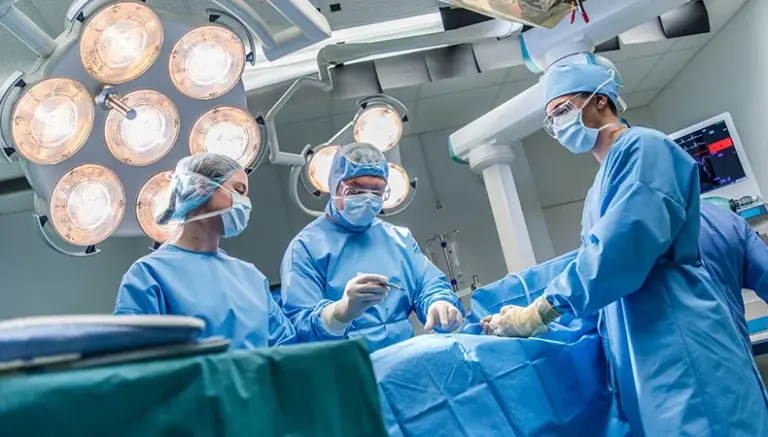
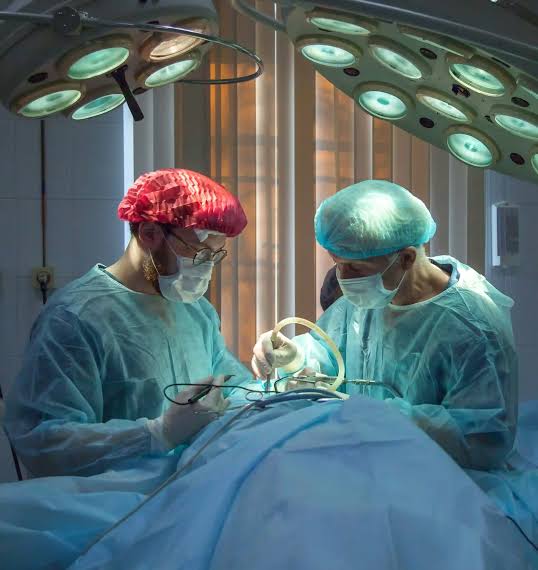
Experienced General Surgeon | General Surgery In Sagar
An experienced general surgeon in Sagar provides medical evaluation and surgical treatment for various conditions that require specialized attention. Moreover, general surgeons manage problems involving the stomach, intestines, gallbladder, appendix, abdominal wall, breast, and soft tissues. They also help patients understand the difference between medical management and surgical treatment. In addition, a surgeon considers your age, existing health conditions, symptoms, and investigation results before selecting an appropriate procedure. Whether you need a minor surgical procedure or a major operation, proper diagnosis and treatment planning remain essential. Therefore, consult a qualified surgeon who explains the procedure, possible risks, expected recovery, and follow-up requirements.
Hernia Surgery in Sagar
A hernia develops when an internal organ or tissue pushes through a weak area in the surrounding muscle or connective tissue. Patients commonly experience swelling around the abdomen, groin, or belly button, along with discomfort during coughing, lifting, or physical activity. Moreover, some hernias cause pain while others initially produce very few symptoms. A general surgeon examines the affected area and may recommend imaging tests to understand the size and location of the hernia. Depending on the patient’s condition, the surgeon may suggest open hernia repair or laparoscopic surgery. Therefore, early consultation helps patients understand their treatment options and reduces the risk of complications. Sudden severe pain, vomiting, or a hernia that becomes hard and cannot move back requires emergency medical attention.
Laparoscopic Surgery | General Surgery In Sagar
Laparoscopic surgery offers a minimally invasive approach for treating several abdominal conditions. During this procedure, the surgeon makes small incisions and inserts a camera and specialized instruments to perform the operation. Moreover, this technique may help suitable patients experience smaller scars, less postoperative pain, and a shorter recovery period compared with traditional open surgery. General surgeons commonly use laparoscopic techniques for gallbladder removal, appendix removal, and selected hernia repairs. However, not every patient qualifies for this approach because the surgeon must consider the medical condition, previous operations, and overall health. Therefore, discuss the advantages, limitations, and possible risks of laparoscopic surgery with your surgeon before selecting a treatment method.
Gallbladder Surgery
Gallbladder problems commonly develop because of gallstones, inflammation, or blockage in the bile ducts. These conditions may cause pain in the upper right side of the abdomen, nausea, vomiting, bloating, and digestive discomfort. Moreover, some patients experience pain after eating oily or fatty meals. A general surgeon evaluates these symptoms and may recommend an ultrasound or other investigations to identify the underlying problem. When gallstones cause repeated pain or complications, the surgeon may suggest gallbladder removal through laparoscopic or open surgery, depending on the patient’s condition. In addition, proper medical evaluation helps identify infections and other complications early. Therefore, consult a surgeon if you experience repeated abdominal discomfort or symptoms associated with gallbladder disease.
Appendix Surgery
Appendicitis occurs when the appendix becomes inflamed and causes pain, usually around the lower right side of the abdomen. Patients may also experience nausea, vomiting, fever, loss of appetite, and difficulty walking comfortably. Moreover, the pain may begin near the belly button before moving towards the lower right abdomen. A general surgeon evaluates the symptoms and may recommend blood tests, ultrasound, or a CT scan to confirm the diagnosis. Depending on the condition, the surgeon may perform an appendectomy through laparoscopic or open surgery. However, untreated appendicitis can lead to appendix rupture and serious abdominal infection. Therefore, seek emergency medical attention if you experience symptoms that suggest acute appendicitis.
Piles Treatment and Surgery | General Surgery In Sagar
Piles, also called hemorrhoids, develop when blood vessels around the anus or lower rectum become swollen. This condition can cause bleeding during bowel movements, itching, pain, irritation, and discomfort while sitting. Moreover, constipation, prolonged straining, and certain lifestyle habits can contribute to piles. A general surgeon examines the condition and determines its severity before suggesting treatment. Early-stage piles may improve with dietary changes, increased fibre intake, adequate water, and medication. However, advanced or recurring cases may require procedures such as rubber band ligation or surgery. Therefore, consult a general surgeon in Sagar if you experience repeated rectal bleeding or persistent anal discomfort rather than relying on self-medication.
Fissure and Fistula Surgery
Anal fissures and fistulas are different conditions that can cause considerable discomfort and affect everyday activities. An anal fissure develops when a small tear forms in the lining of the anus, often causing sharp pain and bleeding during bowel movements. In contrast, an anal fistula creates an abnormal passage between the anal canal and the surrounding skin, which may cause discharge, swelling, and recurring infections. Moreover, both conditions require proper examination to identify their severity and underlying causes. A general surgeon may recommend medication, dietary changes, wound care, or a suitable surgical procedure. Therefore, early diagnosis and appropriate treatment can help manage symptoms and reduce the risk of recurring problems.
Breast Surgery and Treatment | General Surgery In Sagar
General surgeons also evaluate different breast conditions, including breast lumps, cysts, infections, abscesses, and other abnormalities. Patients may notice swelling, tenderness, pain, nipple discharge, or changes in breast appearance. Moreover, not every breast lump indicates cancer, but every new or unusual lump deserves proper medical attention. A surgeon may recommend a physical examination, ultrasound, mammography, or biopsy according to the patient’s age and symptoms. Depending on the diagnosis, treatment may involve medication, drainage, removal of a lump, or further specialist care. Therefore, consult a qualified surgeon when you notice unusual breast changes so that you can understand the cause and receive appropriate guidance.
Treatment for Abdominal Conditions
Abdominal problems can develop due to infections, inflammation, digestive disorders, hernias, gallstones, or other medical conditions. Patients may experience stomach pain, swelling, vomiting, constipation, appetite changes, or difficulty passing stools. Moreover, persistent abdominal symptoms can sometimes indicate a condition that needs surgical evaluation. A general surgeon reviews your medical history, examines your abdomen, and recommends investigations when necessary. Treatment may include medication, dietary guidance, observation, or surgery depending on the diagnosis. In addition, early evaluation helps identify potentially serious conditions and supports timely treatment decisions. Therefore, do not ignore recurring abdominal pain or sudden changes in digestion, especially when these symptoms affect your daily activities.
Soft Tissue Surgery | General Surgery In Sagar
Soft tissue conditions can affect the skin, fatty tissue, muscles, and other structures beneath the skin. Common examples include lipomas, cysts, abscesses, and certain types of skin growths. Patients may notice a lump, swelling, redness, tenderness, or discomfort around the affected area. Moreover, some growths remain harmless, while others require further examination to rule out serious conditions. A general surgeon evaluates the size, location, appearance, and symptoms before recommending treatment. Depending on the diagnosis, the surgeon may suggest observation, medication, drainage, or surgical removal. Therefore, consult a surgeon if you notice a growing lump, recurring swelling, or a painful skin infection.
Emergency General Surgery
Certain medical conditions require immediate surgical evaluation because delays can increase the risk of serious complications. Severe abdominal pain, suspected appendix rupture, intestinal obstruction, internal bleeding, and complicated hernias may require emergency treatment. Moreover, symptoms such as persistent vomiting, high fever, abdominal swelling, fainting, or severe weakness can indicate an urgent medical problem. A general surgeon evaluates the patient’s condition and recommends necessary investigations and treatment without unnecessary delay. In addition, emergency care may involve medication, fluid management, surgery, and close monitoring. Therefore, visit an emergency department immediately when you experience severe or rapidly worsening symptoms instead of waiting for a routine appointment.
Are you experiencing abdominal pain, hernia symptoms, gallbladder problems, piles, or another condition that may require surgical attention? Consult an experienced general surgeon in Sagar for a proper medical evaluation and personalized treatment guidance. Moreover, timely consultation can help identify the cause of your symptoms and determine whether you need medication, observation, or surgery. Discuss your medical history, diagnostic reports, treatment expectations, and recovery concerns during your appointment. In addition, ask your surgeon about the benefits, risks, and alternatives of the recommended procedure. Take the next step towards better health by scheduling a consultation and receiving appropriate medical advice for your condition.
Frequently Asked Questions About General Surgery
A general surgeon treats hernia, appendicitis, gallstones, piles, fissures, fistulas, breast lumps, abdominal problems, and soft tissue conditions.
Consult a general surgeon if you experience persistent abdominal pain, unusual swelling, hernia symptoms, digestive problems, or recurring infections.
Yes. General surgeons perform laparoscopic procedures for conditions such as gallstones, appendicitis, and selected hernias.
Laparoscopic surgery may offer smaller incisions, less postoperative pain, minimal scarring, and faster recovery for suitable patients.
Not always. However, a surgeon should evaluate the hernia and recommend treatment according to its size, symptoms, and complications.
Common symptoms include lower-right abdominal pain, nausea, vomiting, fever, and loss of appetite. Seek urgent medical attention if you experience these symptoms.