
- June 24, 2026
- varunam
- 0
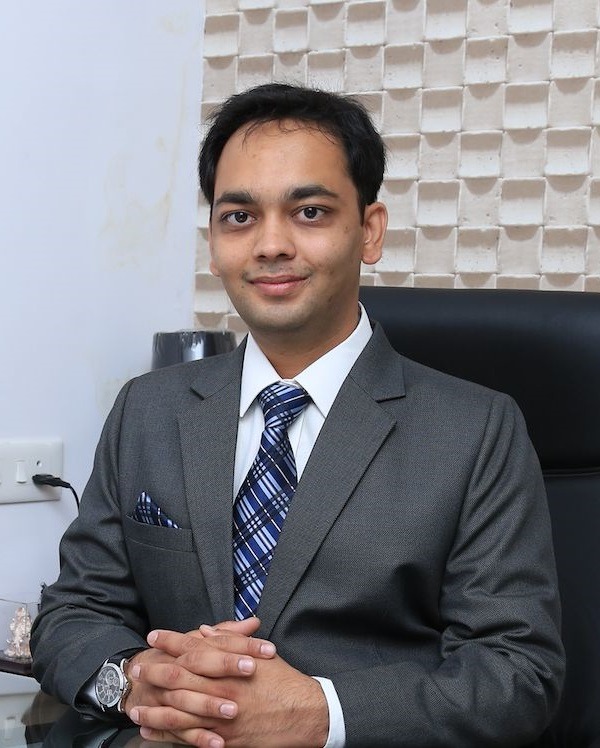
- M.B.B.S.
- M.S. Orthopaedics
- Fellow in Knee and Hip Replacement, Mumbai
- Fellow In Knee and Hip Surgery, Germany
- Fellow in Knee and Hip Surgery, NHS, Singapore
- Fellowship in Complex and revesion knee and Hip replacement, London, Lancaster, UK
For most Indian patients considering knee replacement, this is one of the most personally important questions and one most surgical brochures don’t answer honestly. Will I be able to sit cross-legged on the floor again? Can I do pooja in the traditional position? Can I offer namaz the way I always have? Can I sit on the floor for family meals? Can I use an Indian-style toilet?
The honest answer requires nuance. Modern knee replacement with high-flexion implants makes most cultural floor activities possible but not all, not immediately and not without technique modifications. Here’s the realistic picture.
What Modern Knee Implants Actually Allow?
High-flexion knee implants the standard for younger and culturally-active Indian patients allow knee bending to 130-135 degrees. Some patients regain even deeper flexion with diligent post-op rehabilitation.
Most modern knee replacements consistently achieve 120-130 degrees, which puts comfortable cross-legged sitting and most floor activities within reach.
For context, what each flexion range allows:
| Flexion needed | Activity |
|---|---|
|
65-90 degrees |
Walking, sitting in chair, climbing stairs (most basic daily life) |
|
90-105 degrees |
Getting in and out of car, sitting on slightly low sofa |
|
110-120 degrees |
Cycling, sitting cross-legged with cushion support |
|
120-130 degrees |
Comfortable cross-legged sitting (sukhasana), sitting on floor
without cushion |
|
130-145
degrees |
Deep squat, vajrasana (kneeling sit), Japanese-style sitting |
Most modern knee replacements consistently achieve 120-130 degrees, which puts comfortable cross-legged sitting and most floor activities within reach.
What's Possible, What's Not - Activity by Activity?
Sitting cross-legged (sukhasana, palthi)
Possible for most patients after 3-4 months of recovery with consistent flexion exercises. Initially uncomfortable; becomes natural with practice. Recommended technique: use a cushion under each knee initially to reduce stress, gradually reduce cushion thickness.
Sitting on the floor with legs extended (dandasana)
Easier than cross-legged. Possible from week 6-8 onwards.
Kneeling on both knees (vajrasana)
Generally not recommended long-term. The direct pressure on the knee cap and prolonged maximum flexion can cause discomfort and accelerate wear on the implant. Brief kneeling during pooja or namaz is possible after 3-4 months; sustained kneeling is best avoided.
Squatting (full deep squat)
Not generally recommended after knee replacement. Modified squat (with support) is possible but full deep squat with heels touching buttocks should be avoided.
Indian-style toilet (squat toilet)
Possible but not recommended as a daily routine. The repeated deep flexion stresses the implant. If your home only has squat toilets, raised toilet adaptors or seat extenders are inexpensive solutions. For elderly patients, switching to Western-style toilets is worth considering.
Sitting on a low chowki or stool
Comfortable for most patients from week 4-6.
Pooja in traditional sitting position
Cross-legged sitting on a cushion works for most patients after 3-4 months. Many patients adapt by using a low pooja chowki rather than sitting directly on the floor.
Namaz (specifically the sajdah position)
The sajdah position requires deep knee flexion (close to 145 degrees) which is uncomfortable for most knee replacement patients. Many religious authorities permit performing namaz on a chair when full prostration is physically difficult. This is a discussion worth having with both your religious advisor and your surgeon.
Bathing on Indian-style bathroom floor
A small plastic stool is the practical solution. Standing showers or shower chairs work better than sitting on the floor.
Do you have specific cultural or religious activities you want to make sure you can do after surgery?
Tell Dr. Utsav what matters most to you – your activities should be part of the surgical planning, not an afterthought.
Why Technique Matters As Much As Surgery?
Two patients with identical knee replacements can have very different floor-sitting outcomes — because the difference depends on how diligently they regain flexion in the first 3-4 months after surgery.
The window matters: flexion gained in the first 12-16 weeks tends to be the flexion you keep long-term. Stiffness that sets in during this period can be permanent.
Practical things that determine your long-term floor capability:
- Daily flexion exercises from week 1 – bending the knee progressively further every day, holding the maximum position for 30-60 seconds
- Use of a continuous passive motion machine if your physiotherapist prescribes one
- Heel-slide exercises – sliding the heel toward the buttock while lying down
- Wall slides – slowly sliding down a wall to a partial squat position
- Manipulation under anaesthesia – if flexion is not progressing by week 8-10, a brief procedure under anaesthesia can release adhesions and recover lost flexion. This is rare but available.
What to Tell Your Surgeon Before Surgery?
If cultural floor activities matter to you, tell your surgeon explicitly during your pre-surgery consultation:
- Which specific activities matter (pooja, namaz, floor sitting for meals, particular yoga poses)
- Your typical sitting style at home
- Whether your home has only Indian-style toilets
- Whether you do daily prayers in floor positions
This information should influence:
- Implant choice – high-flexion implants instead of standard
- Surgical technique – preserving soft tissue that contributes to bending
- Post-op physiotherapy planning – aggressive flexion goals rather than basic functional goals
- Patient counselling – realistic expectations for what’s possible
A Realistic Mindset
The reframe most patients eventually arrive at is this: knee replacement won’t return you to exactly the knee you had at age 25. It will return you to a knee that’s far better than the knee you’ve been suffering with for the past 5-10 years.
You’ll be able to do almost everything that matters. Some adaptations help – a cushion for floor sitting, a low chowki for pooja, a chair for prolonged kneeling. These are minor adjustments compared to the pain-free function you’ll regain.
The goal is not to recreate every position you could do at 25. The goal is a comfortable, active life with your cultural and religious activities preserved.
FAQ
Most patients can sit cross-legged with a cushion from 3-4 months and comfortably without cushion by 5-6 months, with consistent flexion exercises.
Yes, for most patients, with a cushion or low chowki. Prolonged sitting may need posture changes every 15-20 minutes.
Possible but not recommended as a daily routine. A raised toilet seat adaptor is an inexpensive practical solution.
Brief vajrasana is possible after 4-6 months for many patients. Prolonged kneeling is best avoided as it stresses the implant.
Diligent physiotherapy in the first 12-16 weeks is critical. If flexion is significantly limited by week 8-10, a manipulation under anaesthesia procedure can usually recover the lost range.
Yes. High-flexion implants are specifically designed for deeper bending and are typically recommended for patients who want to maintain Indian floor-based activities.
Talk to Dr. Utsav about your specific concerns
Floor activities, cultural practices and religious observances are part of clinical planning, not separate from it. Bring your specific questions to your first consultation.
Call: +91 7447799000